
Medicine - Health
Artificial blood can save patients' lives like real blood
US scientists develop artificial blood cells that can be stored in powder form and transmitted to patients who need urgent blood transfusions.
Browse ScienceInfo articles and explainers related to Patient.
2,638 published items.
US scientists develop artificial blood cells that can be stored in powder form and transmitted to patients who need urgent blood transfusions.

In many previous studies of Parkinson's, research groups limited their scope to the brain.
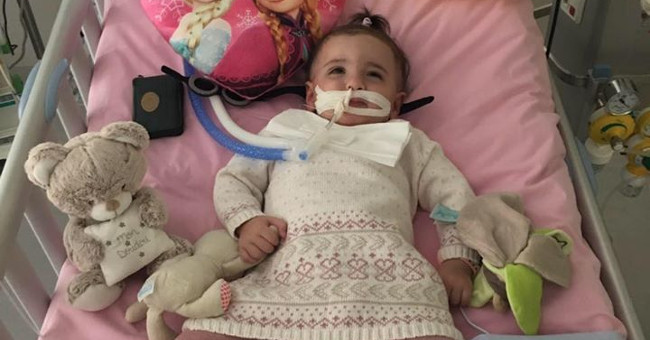
A 1-year-old girl suddenly woke up after a coma just 10 days after her parents won the lawsuit to prevent the hospital from turning off life support.
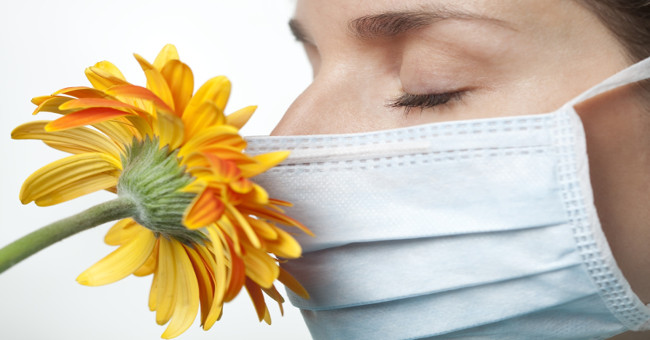
Hanoi in the flower season with pearly daisies flooded, but pollen dispersed in the air flying into your eyes, nose and lungs easily triggering asthma ...
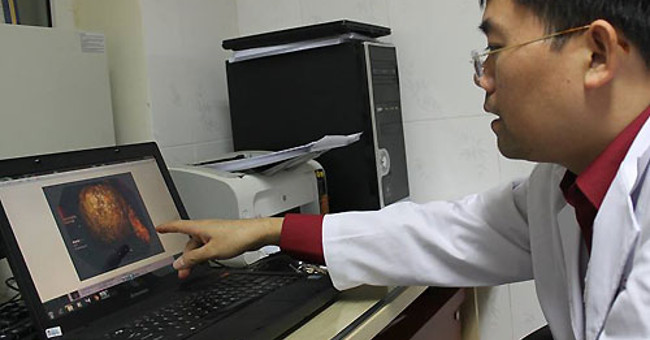
On November 30, the doctors of Hospital E (Hanoi) endoscopy the food residue in the stomach of patients with intestinal obstruction after eating 3 crispy persimmons.
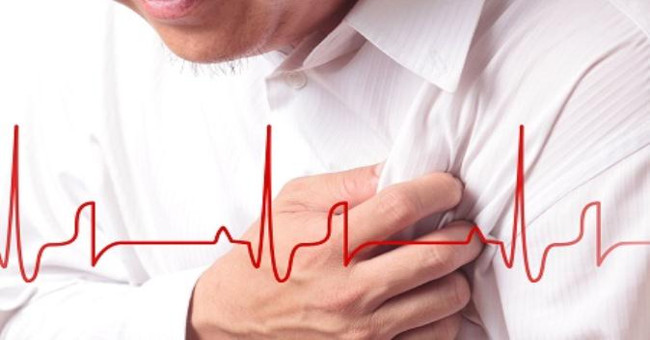
Less than 2 hours after symptoms of angina or collapse until intervention is the best time to save a person with acute heart attack.
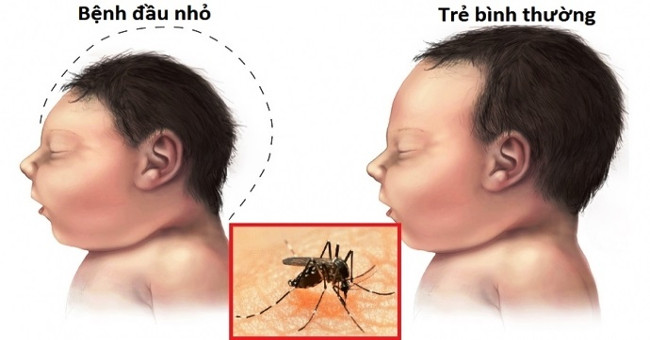
On November 20, Ho Chi Minh City continued to record 5 cases of Zika virus infection, increasing the number of infected people to 62, while the previous 3 consecutive da…
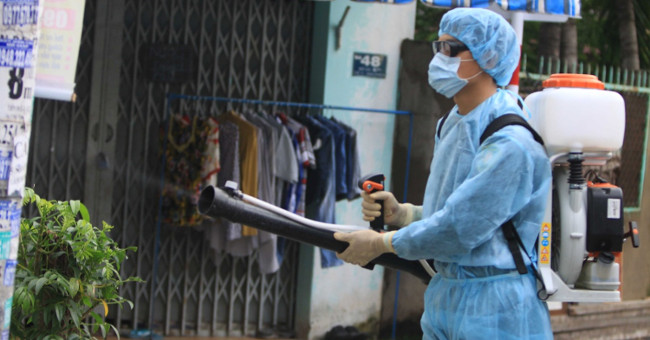
On November 14, Ho Chi Minh City recorded 3 more cases of Zika, bringing the number of infected people to 38 with Binh Thanh district with the most patients.
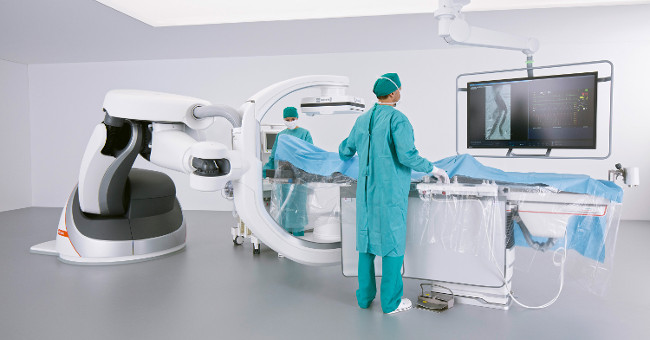
Robotic angioplasty using the sterile method introduced in Germany is a safe surgical solution for people with many health problems at once.
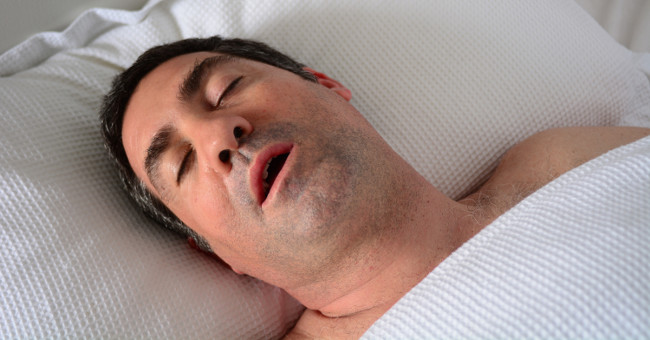
Patients with sleep apnea can wake up 5-30 times per hour and it is difficult to reach a deep sleep stage which can lead to exhaustion.
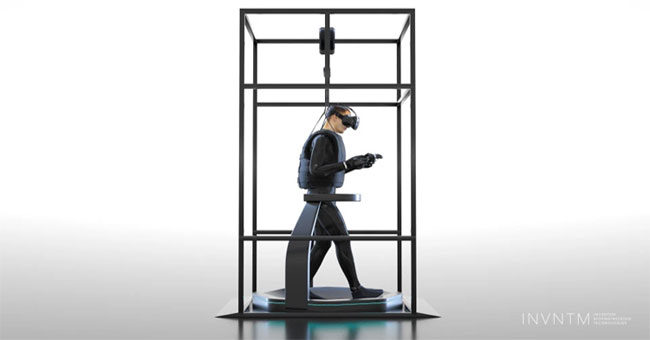
An American company makes virtual reality systems that help early transplant patients familiarize themselves with body movement after the surgery is completed.
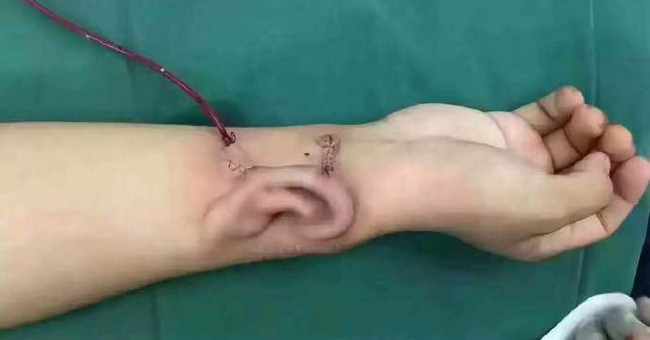
The artificial ear is cultured on the arm and can be hooked to the patient's head in the coming months.
When the alcoholic quiver turned up, they screamed, struggled violently, braced themselves, and the doctor had to tie their cloths and legs to the bed.
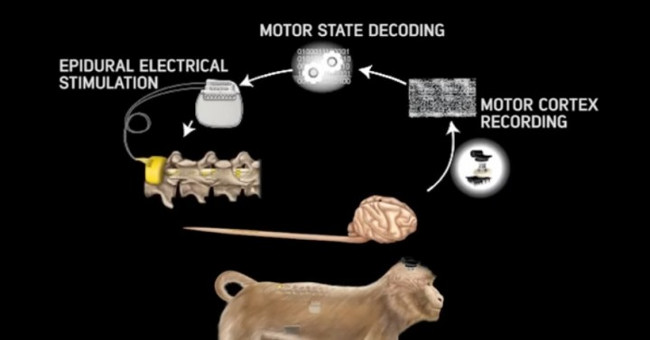
Scientists have initially succeeded in using wireless technology to control the brains of the paralyzed patients, enabling them to walk back to normal.
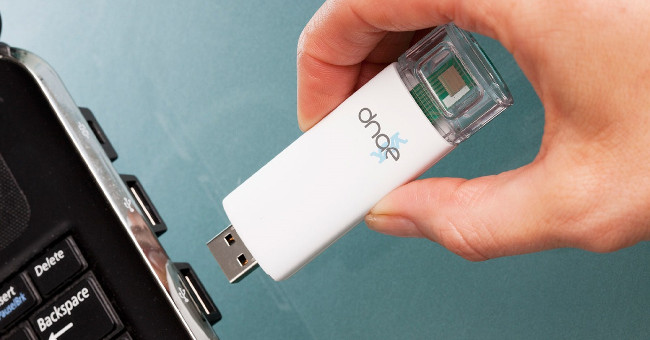
Scientists in the UK have invented USB that can accurately and quickly measure HIV virus levels in patients' blood.