Environment
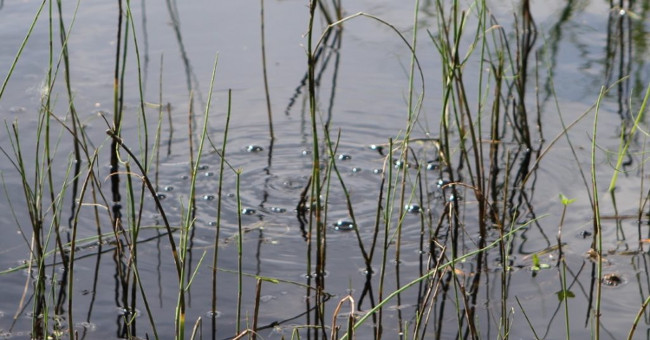
The lake is bubbling, burning in the Arctic
NASA is using satellite imagery to study abnormal foaming in lakes in Alaska, USA, resulting from global climate change.
Browse ScienceInfo articles and explainers related to Permafrost.
60 published items.
NASA is using satellite imagery to study abnormal foaming in lakes in Alaska, USA, resulting from global climate change.
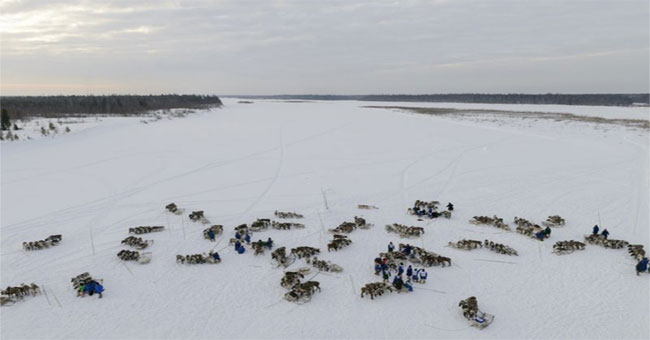
Development science helps people prevent many dangerous diseases. But, climate change is generating new deadly diseases.
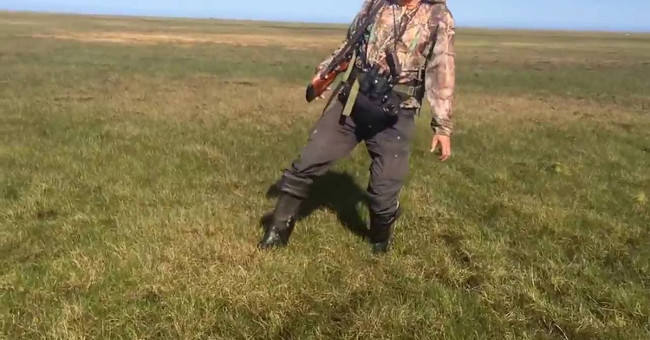
The surface of the earth heaving due to methane leakage by global warming is the latest phenomenon recorded by scientists.
Radio Australia reported in the report of the climate change dialogue in Qatar, the United Nations Environment Program said
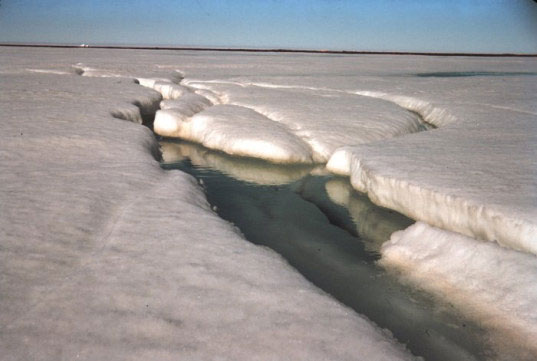
Recent research shows that the Arctic will move from a carbon-containing state to a carbon source when the permafrost will emit greenhouse gases.
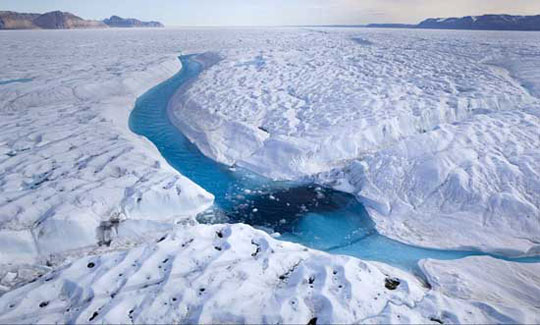
The Arctic sea ice has been significantly thinner in recent decades, the permafrost is gradually being replaced by seasonal ice changes.

A large amount of methane is leaking from a huge hole that has just been discovered below the permafrost of the Arctic Ocean.
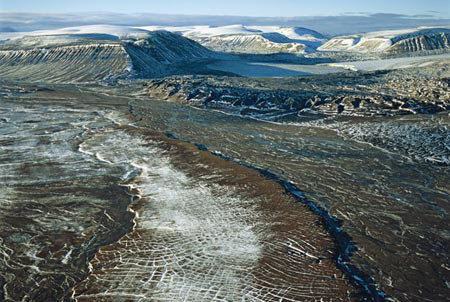
If the frozen soil melted completely due to climate change, trillions of tons of carbon would be released into the air, causing the earth's temperature to rise much fast…

According to the Japan Aerospace Agency (JAXA), this summer, the Arctic ice area will fall to its lowest level since Japanese scientists conducted observations of the Ar…
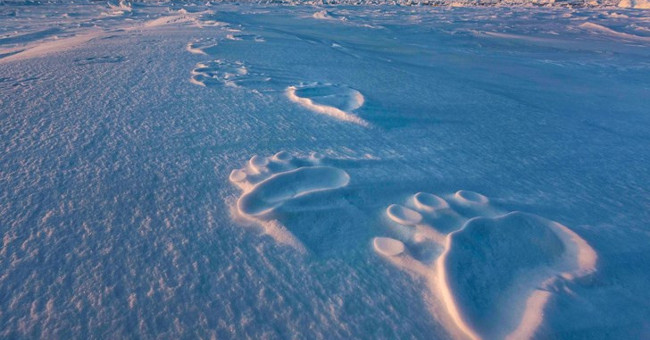
Take a tour of the eternal freezing areas of the world through the photographer Paul Nicklen's lens, to see the habitat of these animals.
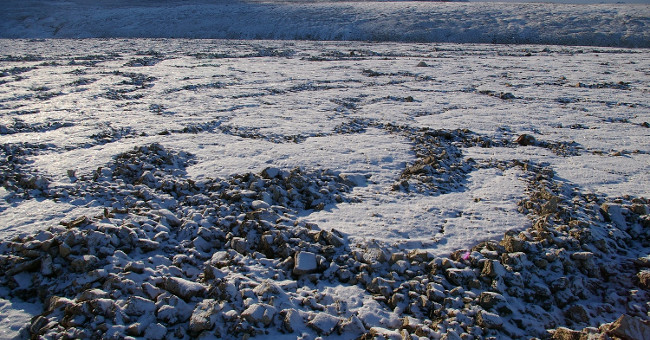
Scientists warn climate change is melting permafrost, which can release many dangerous bacteria and viruses that are dangerous to humans.
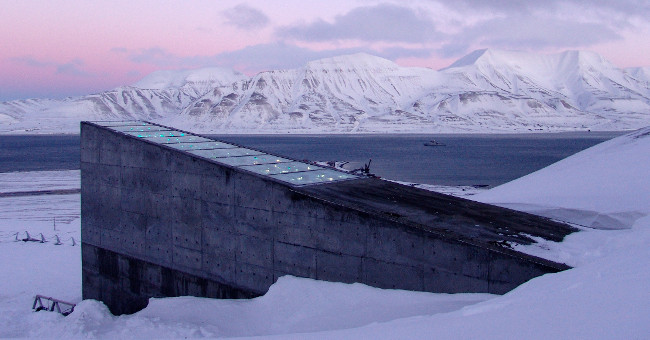
According to Futurism,

A Russian scientist has injected a 3.5-million-year-old bacterium from the Siberian permafrost and now claims it helps him to be healthier and immune to disease.
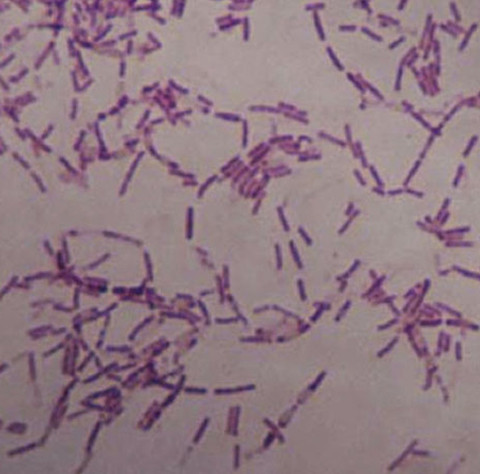
In 2009 Russian scientists discovered a species of bacteria living healthy in the permafrost in Siberia from 3.5 million years ago.
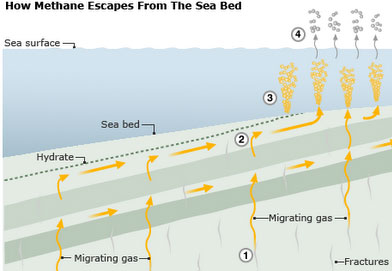
A team of Russian researchers led by Dr Igor Semiletov of the Russian Academy of Sciences has conducted a wide-scale survey of the seafloor of the Arctic shelf discovere…