
World Heritage
The terraces at Philippine Cordilleras
The United Nations Science, Education and Culture Organization has recognized terraced fields in the Philippines Cordilleras is a World Cultural Heritage in 1995.
Browse ScienceInfo articles and explainers related to Philippines.
187 published items.
The United Nations Science, Education and Culture Organization has recognized terraced fields in the Philippines Cordilleras is a World Cultural Heritage in 1995.
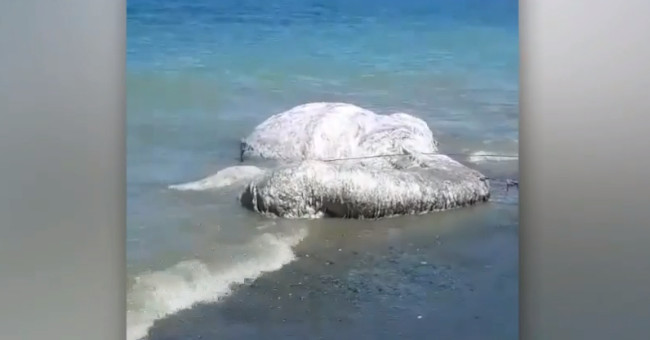
The 6-meter-long body of a strange creature appeared on the coast of San Antonio town, Oriental Mindoro province, Philippines, on May 11, according to Fox News.
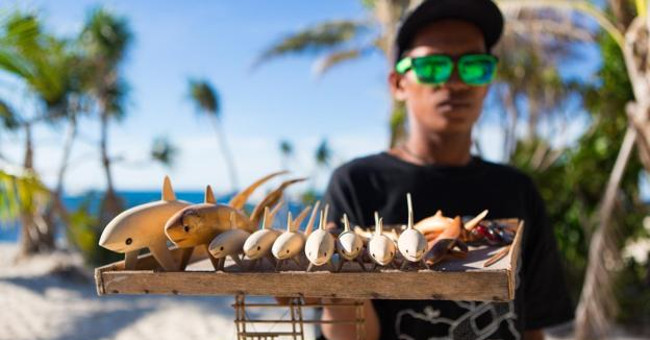
After heavy devastation from Typhoon Haiyan, a famous resort island in the Philippines has been revived thanks to the ferocious sharks hiding in the deep sea.
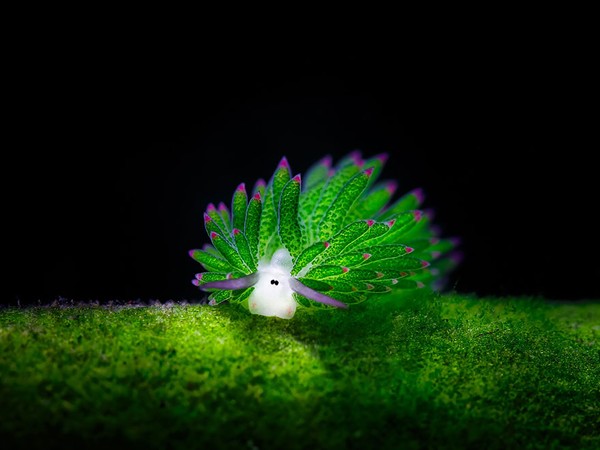
Not many people have
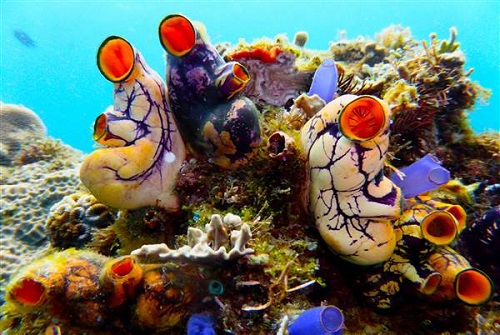
US scientists discovered more than 100 species of exotic creatures, never studied in Philippine waters.
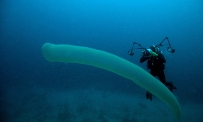
A group of divers are lucky to see the pyrosome, a rare tubular creature called
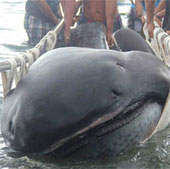
The wide mouth shark, one of the rarest fish species in the world, is discovered by fishermen on the coast of the Philippines.
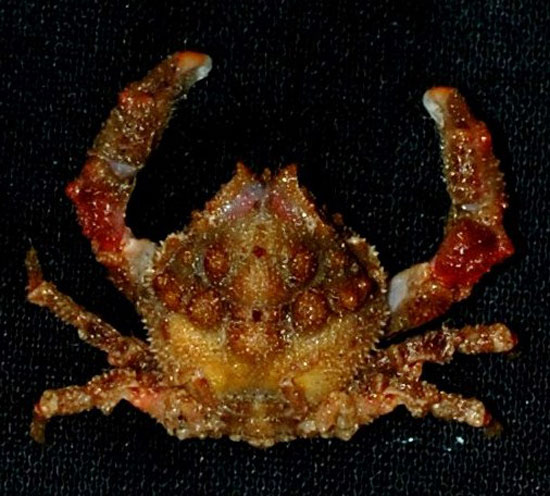
The California Institute of Science has discovered more than 300 types of plants and animals that have never been discovered in the Philippines, which are ecologically t…
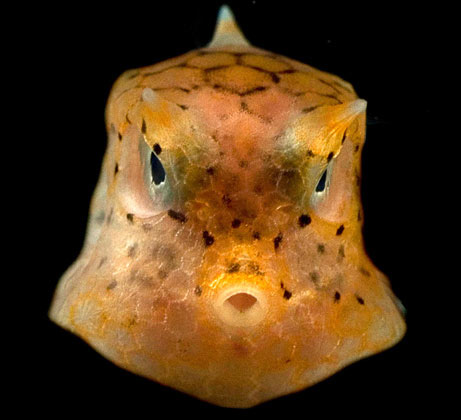
While searching for millions of isolated marine organisms in the southern Philippines, scientists have found many strange creatures that they believe have never been dis…

About 80 scientists, professionals, students and volunteers from 19 countries - surveyed the waters around Panglao Island, located 624 km southeast of Manila, since 2004…
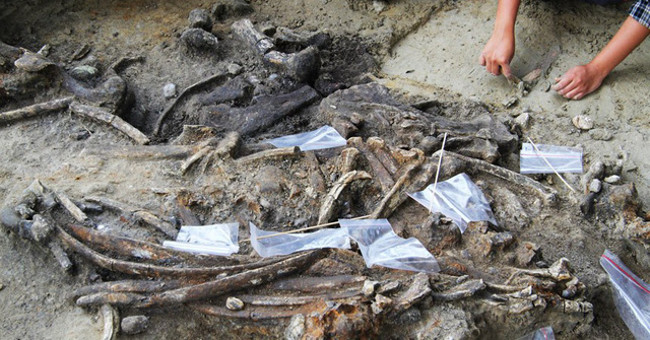
According to scientists' writings, scattered stone tools in heaps of hippopotamus show that they came to the Philippines archipelago about 709,000 years ago.
Billionaire Paul Gardner Allen, co-founder of Microsoft, claims to locate a Japanese battleship from World War II under the seabed of the Philippines.
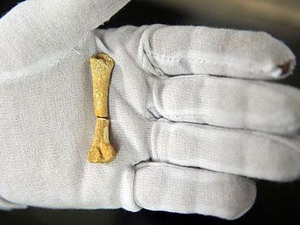
A fossil of the unearthed leg bone shows that the Philippines is a land inhabited by humans 67,000 years ago.
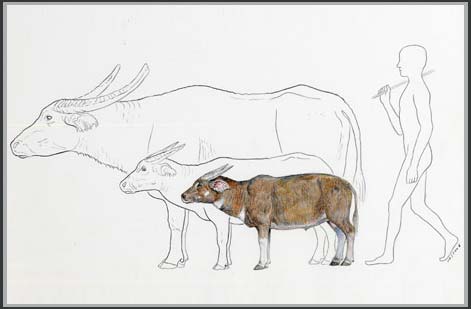
US researchers have discovered a
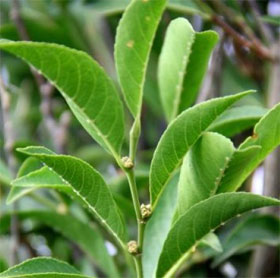
This new plant species is named Rinorea niccolifera, reflecting its nickel absorption capacity with very large volumes.