
New technology
Forget your Face ID or iris, and we're about to unlock the phone with sweat
The invention is considered to be the key to future security technology.
Browse ScienceInfo articles and explainers related to Phone.
1,152 published items.
The invention is considered to be the key to future security technology.
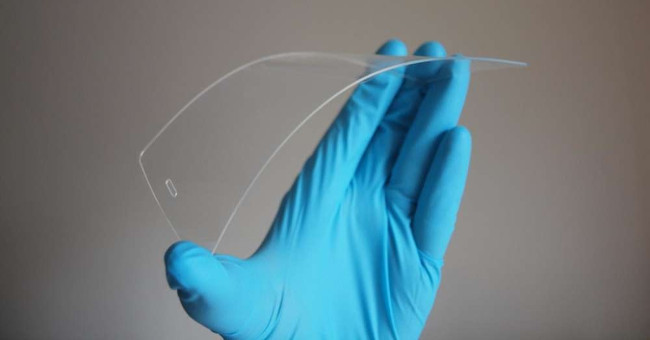
Scientists from Sussex University have found a way to combine silver nanoparticles with graphene to create a new generation of cheaper, harder and more durable screens.
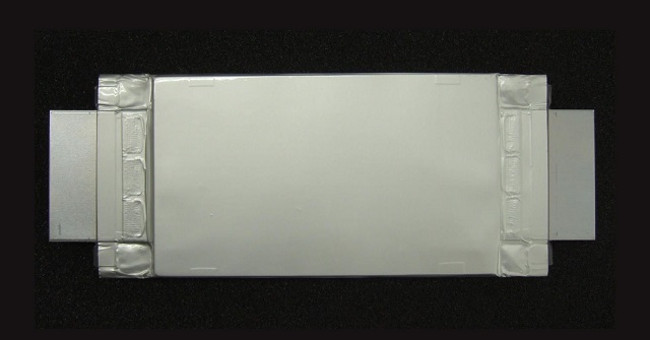
Toshiba recently announced its next-generation high-capacity rechargeable battery (SCiB) technology, which is capable of fast charging at fast speeds.
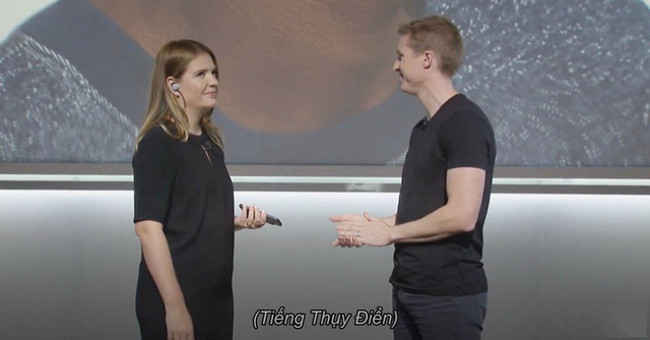
According to Google, this headset is one

Most current biometric security methods encounter an inconvenience, that is, users must actively activate to log in.
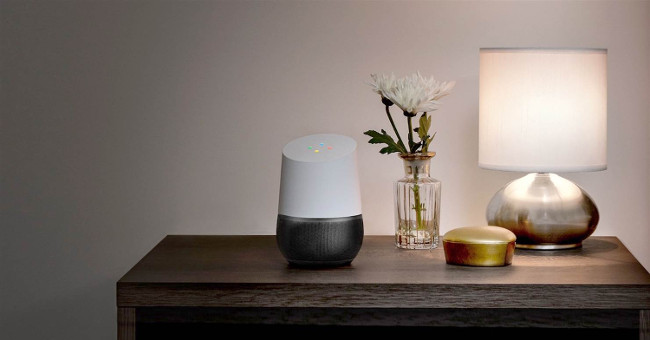
Last May, Google announced plans for the future that people would be able to make phone calls without a hand with Google Home.

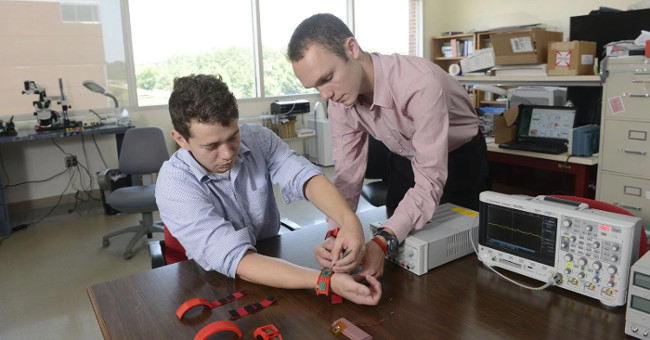
Scientists at Vanderbilt University in the United States have created a material that collects extremely small amounts of energy that can extract energy from human movem…

The connected world has expanded its reach beyond smartphones, and the 5G revolution will become a premise for that new world to grow.

Hong Kong-based Origami Labs develops Orii smart ring that can help change the way people use their phones, Reuters reported on Aug. 4.
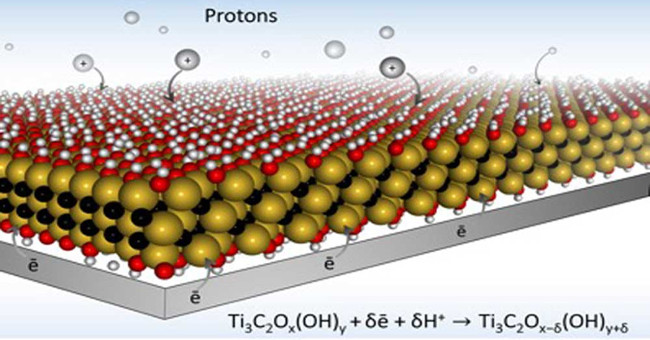
Previous studies have had the idea of using supercapacitors as an energy storage device for pocket electronic devices.

The city of Concepción in southern Chile has just launched a project to install a traffic light warning system under the road for people addicted to mobile phones.
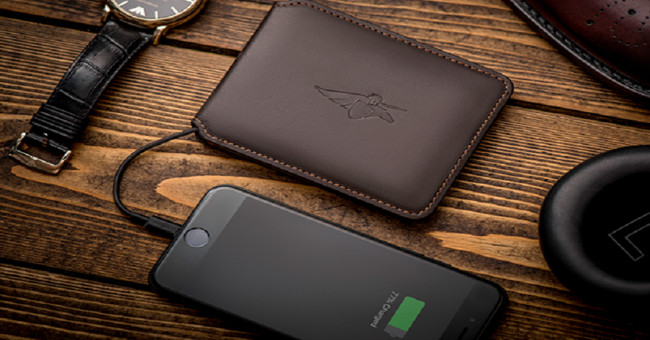
This ultra-smart wallet is packed with desirable features in the technological age.
A device only works well when there is a good battery, but if not done carefully, it can lead to dangerous fire situations.
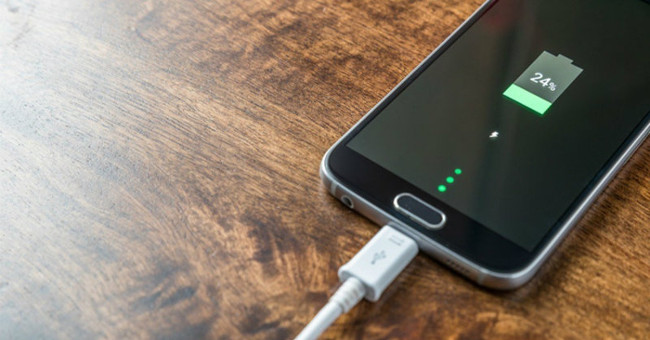
It seems that people always feel how much the battery is not enough, so they study to find batteries with a longer life span and larger capacity, convenient wireless cha…
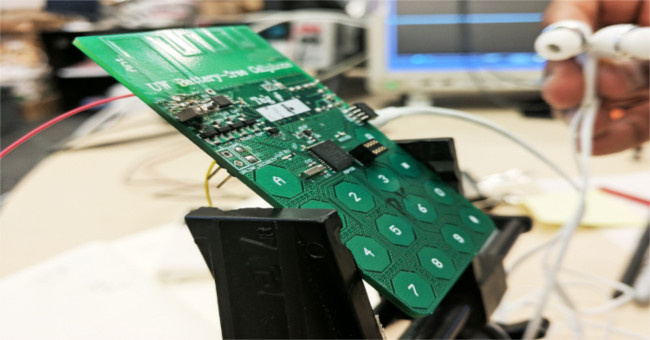
According to Wired, the prototype of the phone (without batteries) is the best result of Talla's year-long study.