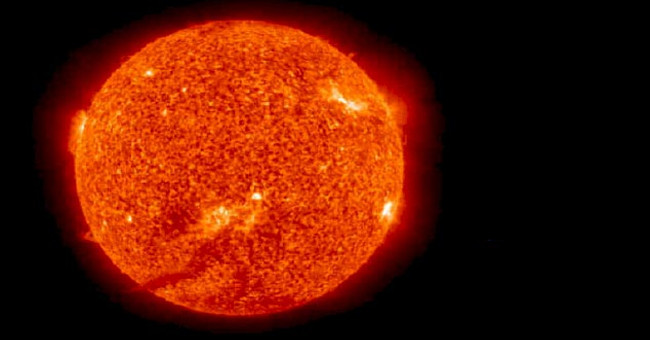
Space scienceYou have lived on this planet for a long time, but you probably only know the Sun is the brightest and biggest star, providing sunshine and many nutrients - essential ch…
December 17, 2018
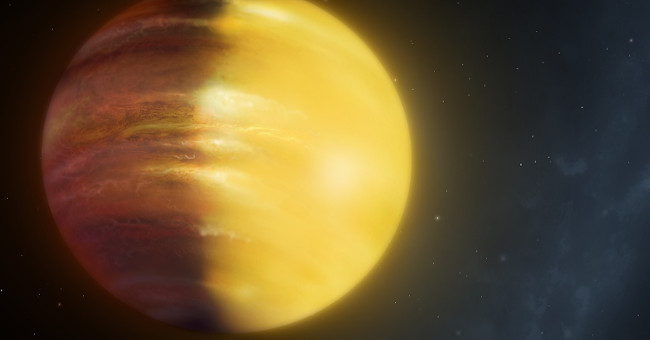
Space scienceBritish researchers discovered a solar system outside the solar system surrounded by minerals-rich clouds creating rubies and sapphire stones.
December 17, 2018
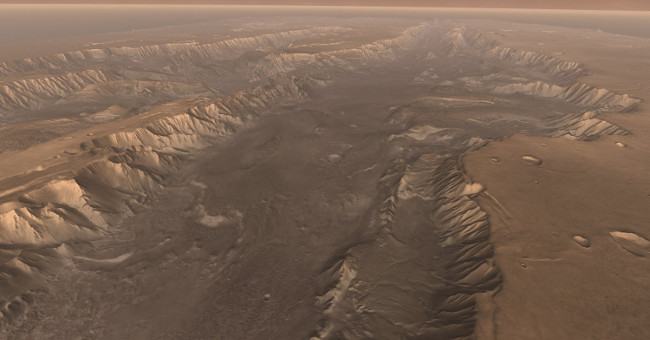
Space scienceGreenhouse gas builds up in the atmosphere, causing Mars temperature to rise, making a long warm period appear, with a period of up to 10 million years.
December 17, 2018

Space scienceThe ability of our Earth to be hit by planets is extremely rare, but it is actually only a matter of time before this disaster comes true.
December 17, 2018
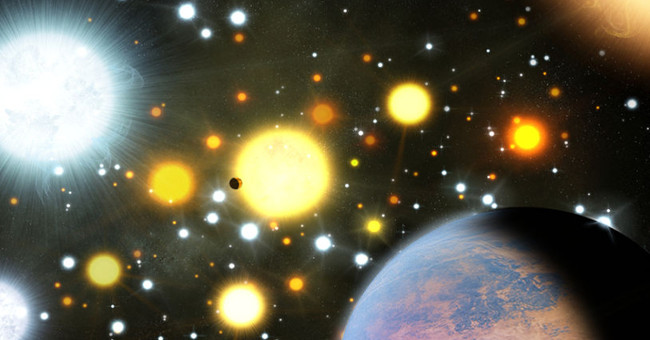
Space sciencePrinceton University's team of scientists and engineers has developed ground-based equipment and is considered a great step forward in the study of galactic exoplanets b…
December 17, 2018
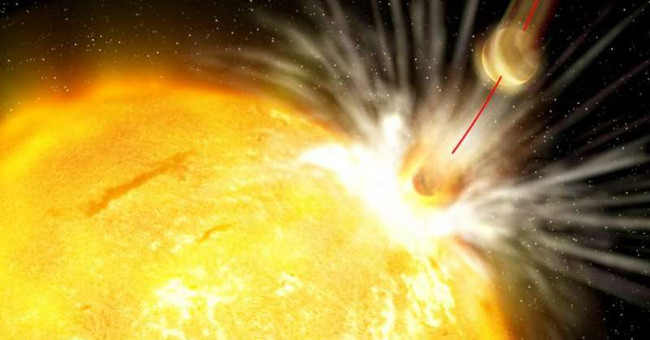
Space scienceThe HIP68468 star has the same size, mass, and brightness as the Sun and has many signs that it has swallowed some planets in the system.
December 17, 2018
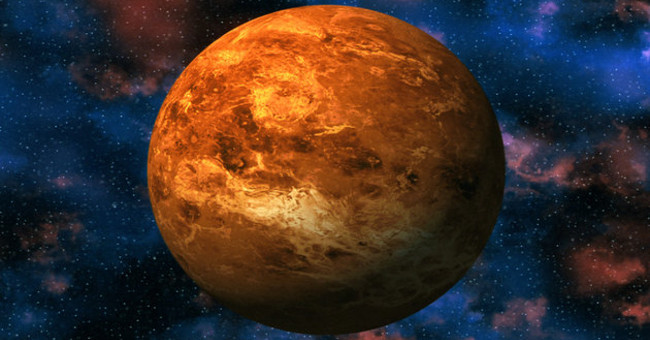
Space scienceVenus, the second planet in the solar system, has extremely harsh environmental conditions and numerous giant volcanoes on the surface.
December 17, 2018
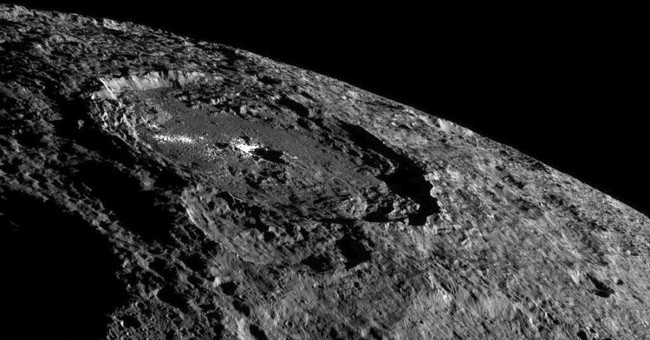
Space scienceThe probe Dawn reveals that this asteroid has about 30% water at the poles, explaining the ice volcanoes and strange light spots scientists have found.
December 17, 2018
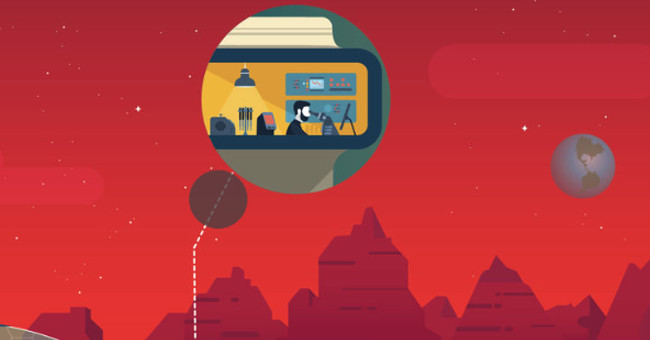
Space scienceMars is not a place to go and come and go. There must be careful preparation, including the construction of a shelter for humans.
December 17, 2018

Space scienceScientists first screened 500 cosmic dust particles derived from the formation of the solar system 4.6 billion years ago in the mud mud stuck on the roofs in France, Ger…
December 17, 2018
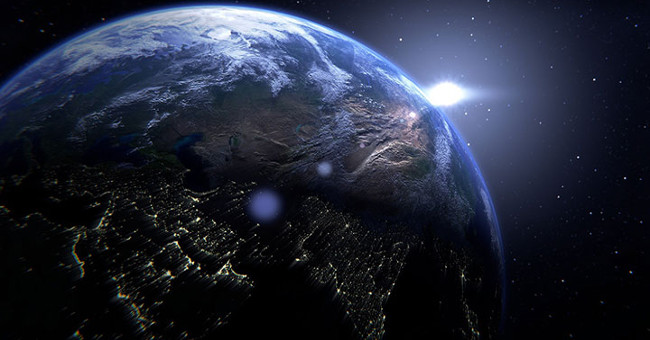
Space scienceAstronomers from Britain argue that life in the upper atmosphere of brown dwarfs may exist. That is the content of the article published in arXiv.org Electronic Library.
December 17, 2018

Space scienceBritish scientists calculate in the future, a day on Earth will be 25 hours long because the rotation speed around the planet's axis is getting slower and slower.
December 17, 2018
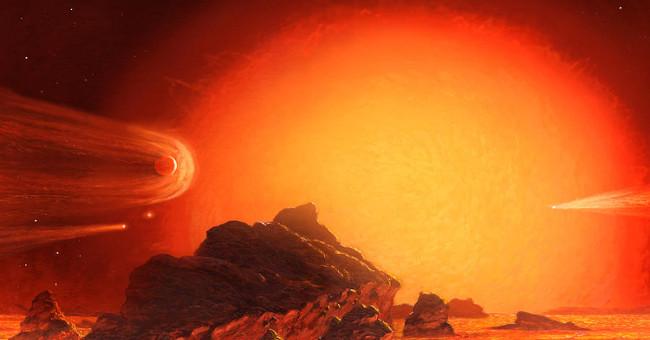
Space scienceNew research by Belgian scientists shows that when the Sun swells 100 times, swallowing Mercury and Venus, life on Earth will become ashes.
December 17, 2018

Space scienceVietnamese scientists gave their views to the prediction of physicist Stephen Hawking that humanity will be destroyed after 1,000 years.
December 17, 2018
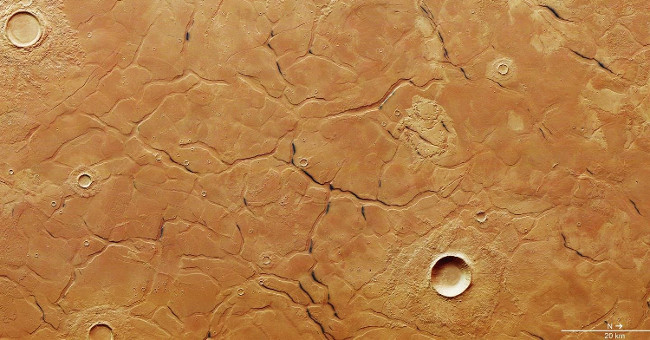
Space scienceScientists have found a 170m thick strip of ice, which contains a large amount of water that can be used for residents of Mars in the future.
December 17, 2018