
Medicine - Health
3% of the population is suffering from a syndrome that we all never knew
There is a very strange syndrome, but it affects 3% of the population. But miserable, people can get it but don't realize it.
Browse ScienceInfo articles and explainers related to Population.
651 published items.
There is a very strange syndrome, but it affects 3% of the population. But miserable, people can get it but don't realize it.

Scientists have successfully built and tested anti-aging drugs, or drugs
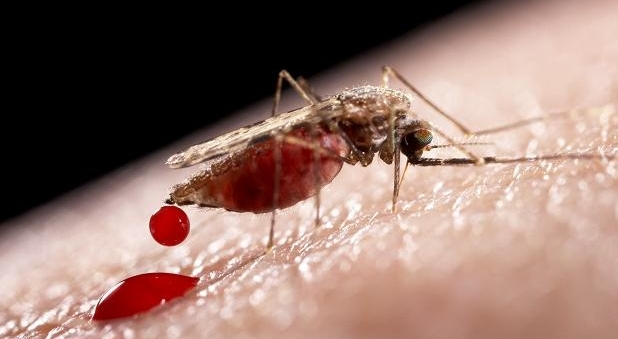
Zika is an extremely dangerous virus, causing abnormalities in brain atrophy and is spreading around the world. The US Food and Drug Administration said that using genet…

Herpes disease, also known as herpes, is spreading very rapidly and the age of the most susceptible is the young.

Half the world's population is equivalent to about 5 billion people who will have nearsightedness by 2050 and the blindness rate of one-third of them will increase signi…

Population explosion, climate change, deforestation are the causes of humanity facing new dangerous viruses such as Zika, MERS and SARS.

The world's oldest man, the Japanese, died on January 19, just two months before his 113th birthday.

British scientists are studying a vaccine that works to find and destroy tau proteins in people with Alzheimer's, helping the disease to stop progressing.

It turns out that up to 75% of the world's population do not know how to defecate

About 4% of the world's population can hear strange voices in their heads.

Researchers found that one in five of us carries a variant of

The bacteria that live in and on the human body may have evolved towards reducing the number of elderly people in the population, according to a new study.

World population will continue to increase in this century and may reach 11 billion people by 2100.

About a third of the population complains about a period of insomnia in life, half of which do not require treatment, and 10% of the disorder actually requires treatment.

According to a new study, lumbar pain is the biggest cause of disability in most countries, more severe than heart attack and stroke.