
Medicine - Health
Scan the brain, predict fate
The brains of those who intend to end their lives respond very differently to handling emotional concepts related to death and crime.
Browse ScienceInfo articles and explainers related to Predict.
653 published items.
The brains of those who intend to end their lives respond very differently to handling emotional concepts related to death and crime.
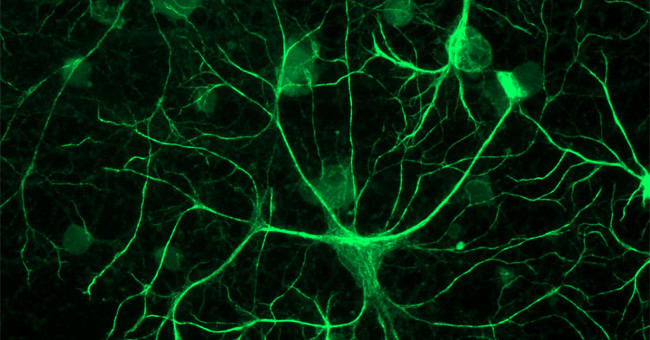
The diligent brain works on predicting the future every day without us knowing.

Scientists point out that people with waist-to-hip ratio of 0.9 or more are 22% more likely to die in the next 10 years than normal.

As predicted by Melanie Walker, thanks to advances in medicine as well as technology to monitor health and nanotechnology, we will soon enter the world without the hospi…

Many studies have shown that favorite colors can indicate a person's psychological characteristics.

People with pear-shaped bodies and big buttocks with a waist-to-hip ratio of 7-10 will live very well, according to Heath Sina.

A new test can identify people at risk of Alzheimer's for decades before signs of disease appear.
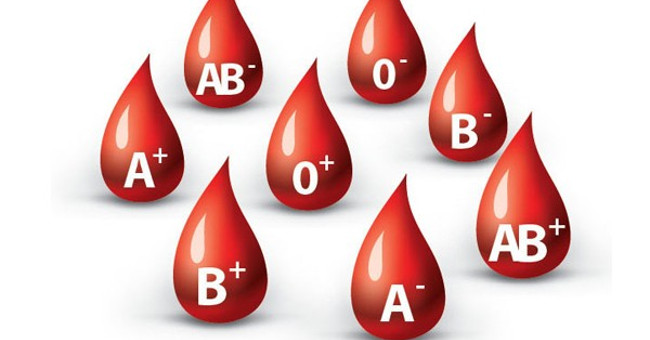
Although the ABO blood count method can predict the likelihood of parental blood relation but accuracy is very low, therefore, it is not acceptable for legal purposes.

It turns out that different people will be able to perceive music at different angles and it depends on their personality.

Aubrey De Gray, a scientist who studies genetic engineering at the University of Cambridge - once made an impressive statement:

You must be curious as to how your child will look in the future. Check now!

The size of pupil enlargement in children when shown with certain images can predict whether he or she is at risk of depression in the next 2 years, according to UPI new…

Australian researchers introduced a method to help determine the death of a terminal illness or elderly patient within one month of admission.

With simple sit-ups, the test developed by Brazilian doctors is thought to be able to foretell people aged 51 to 80.

In this long-term study, the team used the medical data of 6,904 US citizens with an average age of 68 years and had health checks conducted in the last 2 years.