Animal world
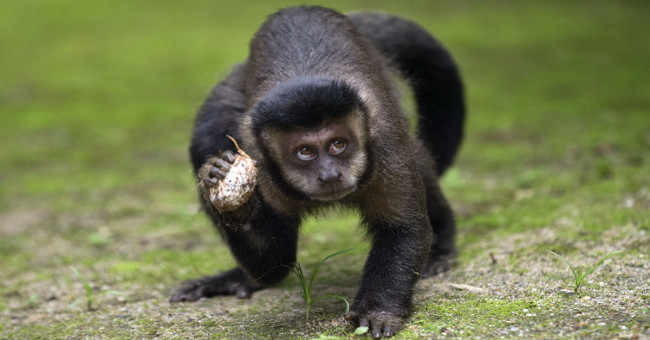
Do not stamp the fever, the Brazilian massacre monkey
Currently, the yellow fever epidemic in Brazil has peaked with more than 200 deaths.
Browse ScienceInfo articles and explainers related to Primate.
223 published items.
Currently, the yellow fever epidemic in Brazil has peaked with more than 200 deaths.
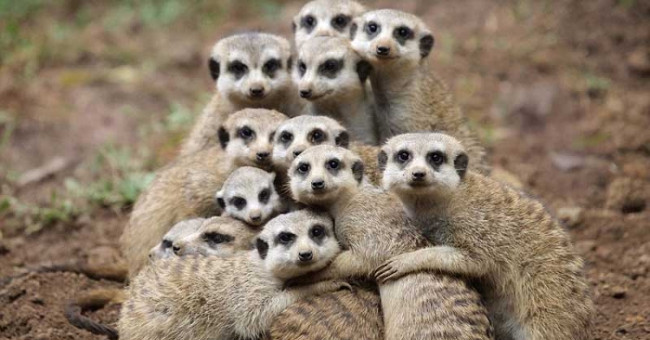
According to research by Dr. Jose Maria Gomez from the University of Granada, Spain, the new Meerkat mink are champions of the cruelty level in the animal world.
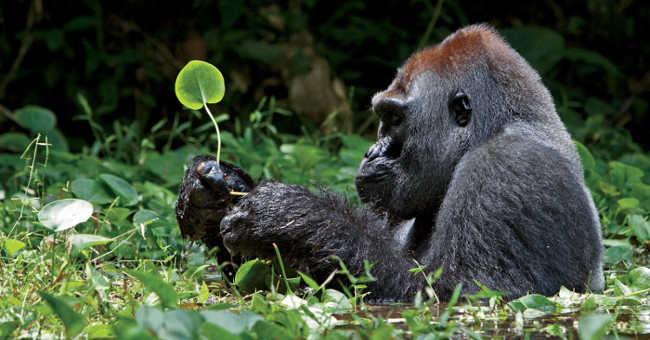
Eastern gorillas - the world's largest primate species still exists - has been listed as an animal on the brink of extinction due to illegal hunting and civil war in Afr…
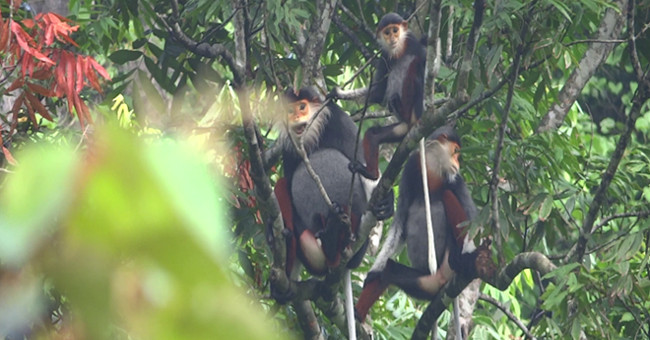
During the survey, experts discovered dozens of white-cheeked crested gibbon siki in Dong Chau forest - Khe Nuoc Trong, the most in forests in the North Central region.
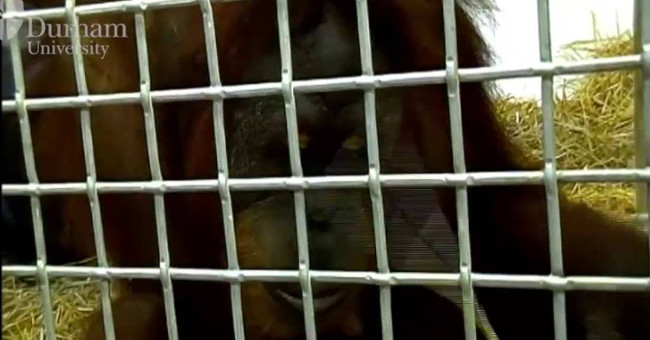
Recently, an orangutan named Rocky is said to have learned how to emit vowels and almost simulates human language.
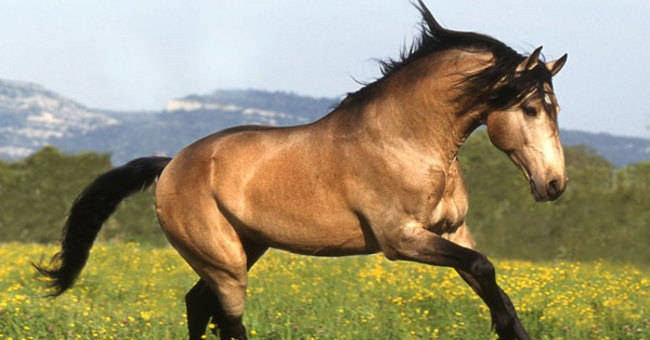
Many higher animals have tails. Horses use tails to chase flies while birds have tails to navigate when flying. So what about us? Why don't humans have tails?

The International Flora and Fauna Conservation Organization (FFI) has just announced the discovery of 500 gray-shanked douc in the Central Highlands.
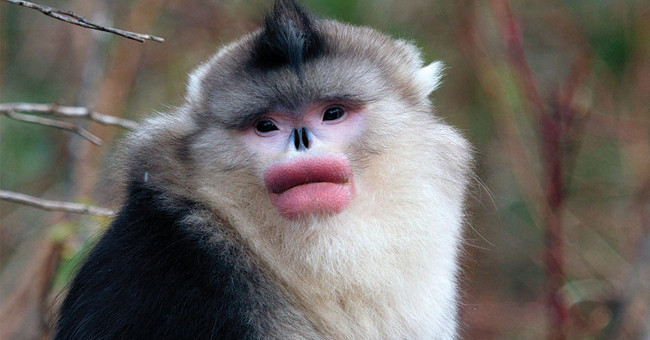
The bright red and pink lips are not only a sexy symbol of humans but also a weapon to attract the partners of the black-and-white snub-nosed monkeys.
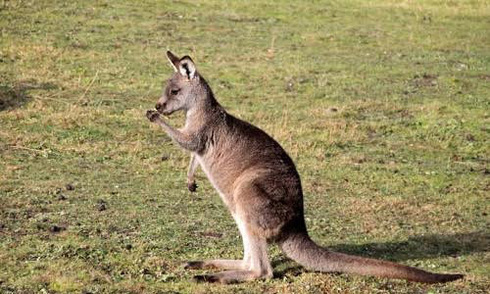
Kangaroo often uses his left hand to scratch his nose, pick up leaves, break branches. This finding could change perceptions that long ago, only primates have a habit of…
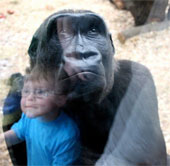
Humans take longer to grow than primates because childhood energy is used for the brain more than body growth.
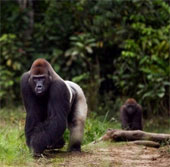
New research on gorillas has shown that silver-backed gorillas can report their presence with foul smells, or stop smelling odor to evade strangers.
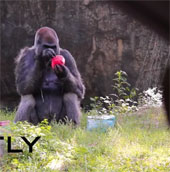
Atlanta Zoo, USA, on June 15 held its 53rd birthday for the world's longest living gorilla.
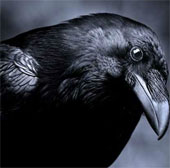
The scientific community has just obtained long-standing evidence of doubt that birds belong to the corvid family, including crows and magpie, very intelligent.
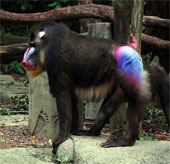
American biologists say most primates have a simple face. However, some species have multicolored faces, which help identify friends and enemies.
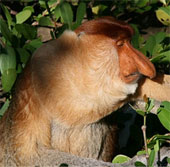
Proboscis monkeys, also known as long-nosed monkeys. In Malay, they are also called with another name Bekantan.