
Oceanography
Surprised: Fish that live in the dark ocean still see colors
Recent research by a team of scientists from the University of Queensland found that deep-sea fish can see colors in the dark, shedding light on visual evolution in vert…
Browse ScienceInfo articles and explainers related to Protein.
936 published items.
Recent research by a team of scientists from the University of Queensland found that deep-sea fish can see colors in the dark, shedding light on visual evolution in vert…
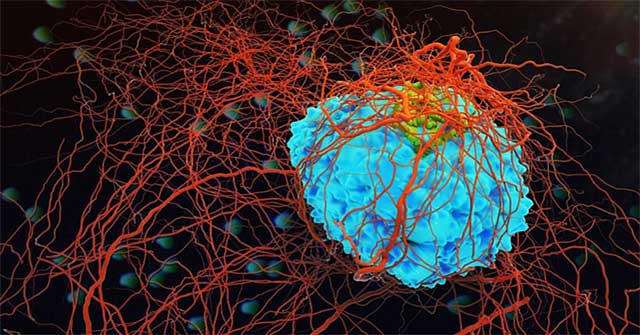
Researchers in Switzerland combine Activin B protein and ALK7 receptor to create a signaling pathway that causes cancer cells to die on their own.

The machine can detect liver cancer, rectal, prostate, uterus, ovaries, digestive organs such as the pancreas and gallbladder.
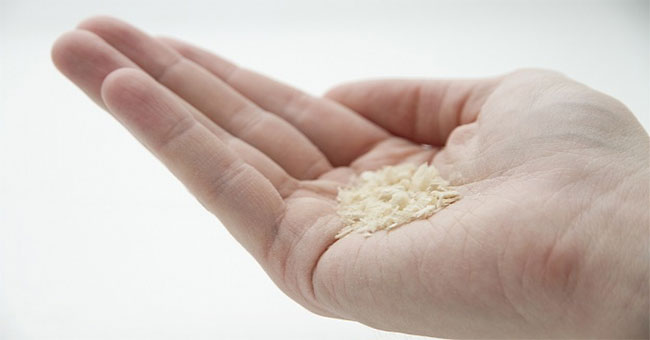
This edible protein is vegan and does not require animal or plant elements during production.

According to a study published in the journal Cell on December 13, scientists in the US have discovered a human protein that could help block the Ebola virus.

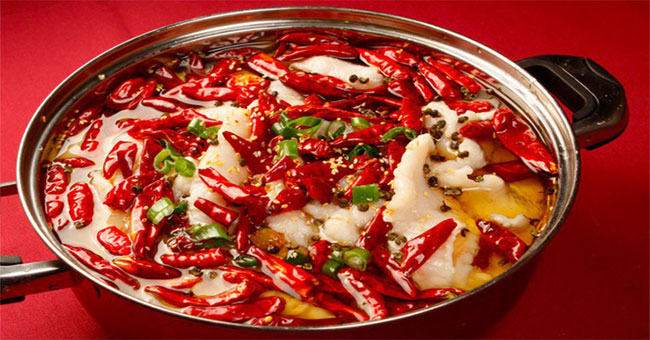
Perhaps in any association there is a child who is called the god of chili. While you cannot swallow a tabasco drop.

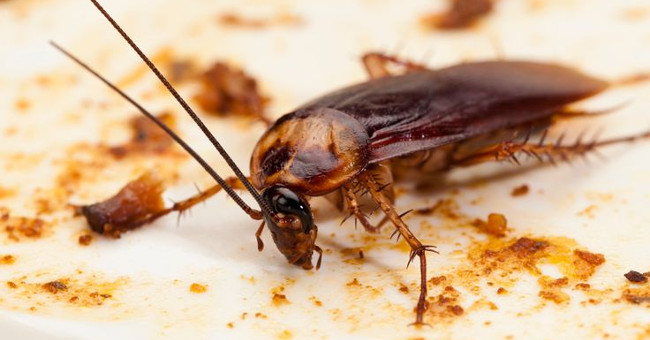
Brazilian scientists breed and breed cockroaches in the laboratory and then grind them to make bread.
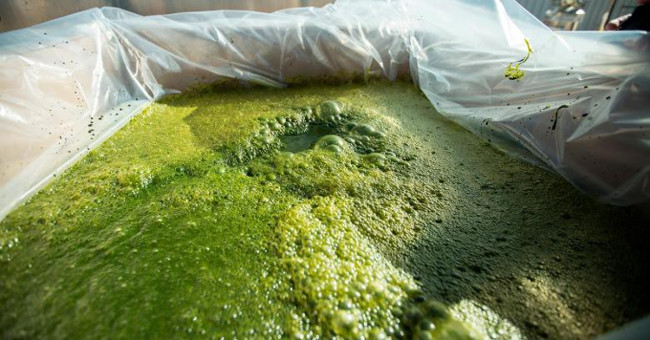
According to information from CNN, an average American eats 100g of protein a day, and that's twice the amount needed for a healthy body.
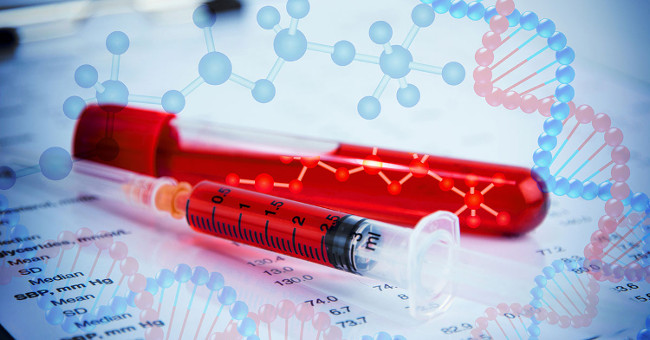
Human blood is red because of red blood cells, containing hemoglobin. This is a protein that contains a red compound called heme, which is very important in transporting…

The technique of protein regeneration by twisting allows turning the boiled egg into the original living egg.
Roasted milk contains protein, fat, carbohydrates, providing three times more calories than buffalo milk and can become a new superfood in the future.

Scientists have developed a drink that does not contain the three energies that animals need to live: carbohydrates, fats, and proteins that still provide the necessary…
If this finding is well researched and put into use, we will have an effective diagnostic tool for medical purposes.
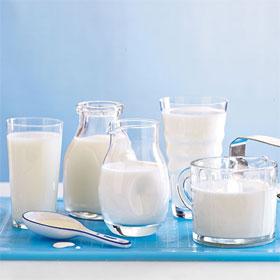
We often see milk white. Is milk really white, or can milk have other colors, but is our vision fooled and seeing white milk?