Oceanography
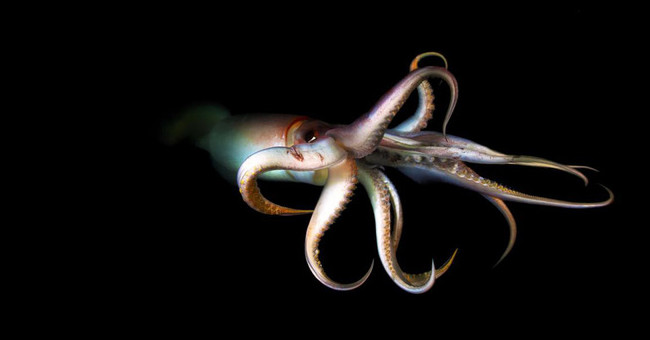
Giant demon squid: Possessing strong bite force like lion beast!
The giant body (length up to 1.5m), red devil squid is one of the largest big squid on the planet.
Browse ScienceInfo articles and explainers related to Protein.
936 published items.
The giant body (length up to 1.5m), red devil squid is one of the largest big squid on the planet.
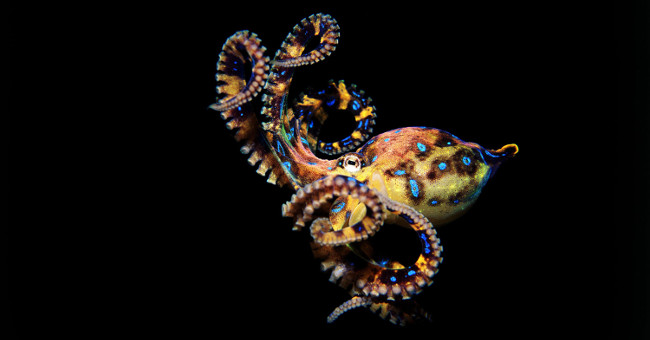
Octopus is a surprisingly complex creature with 500 million neurons on its head and body, capable of planning, deducing and predicting motion.

Few doubts, in such a lovely appearance, but this creature carries enough toxins to defeat the prey in a split second.
The fish that inhabit the cold waters of Antarctica are born with anticoagulant proteins in capillaries, which help the blood to flow normally without freezing.
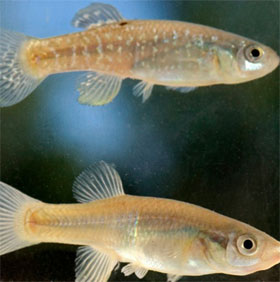
This article addresses an evolutionary puzzle: Why can Atlantic killifish thrive in heavily polluted water?
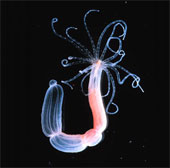
Anemone is an extremely bizarre creature, half a plant, half animal, at least considering its genetic code.
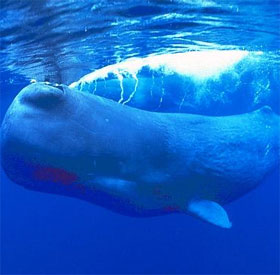
Scientists have studied myoglobin, a protein that stores oxygen in the muscles of mammalian marine animals. It's a non-stick protein.
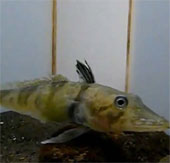
The fish has the scientific name Chionodraco rastrospinosus. The strange thing is that they do not have Hemoglobin, also called hemoglobin - which is a complex protein t…
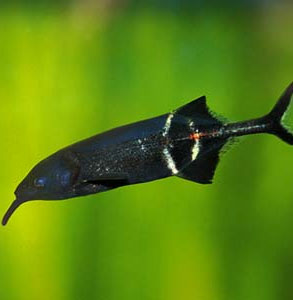
A recent study has found a solution to the possibility of a whale fish being able to
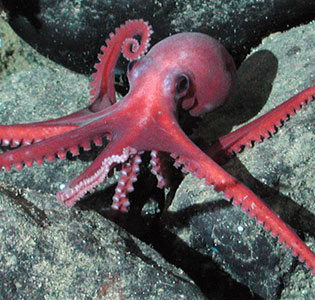
A new study by scientists shows that in order to adapt to the glacial waters of Antarctica, the squid used a special way to change RNAs.
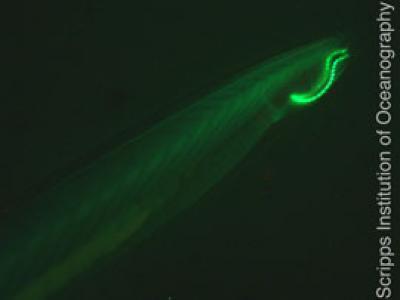
Researchers at Scripps Institution of Oceanography at the University of California at San Diego and the Salk Biological Research Institute have discovered a family of gr…

Some species of seals and dolphins can hold their breath in the water for hours without fainting from lack of oxygen. Absolutely you don't try it at home, because people…
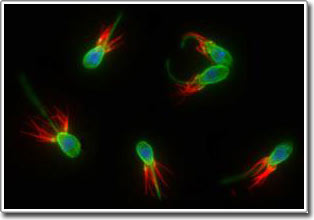
The newly established genome of a plankton, which consists of only one living sea cell, was published on Feb. 14 in Nature. This genome informs scientists about the evol…
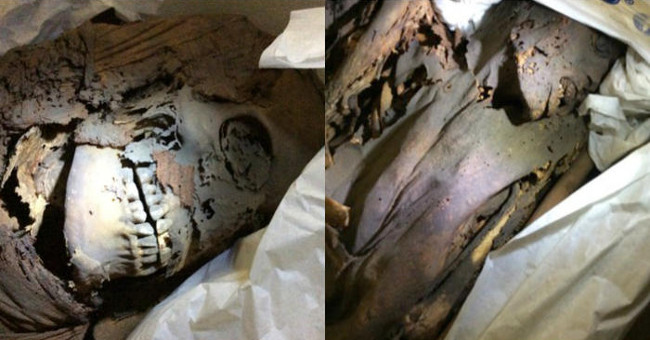
Protein samples taken from ancient Egyptian mummies show that they can get infections and cancer.
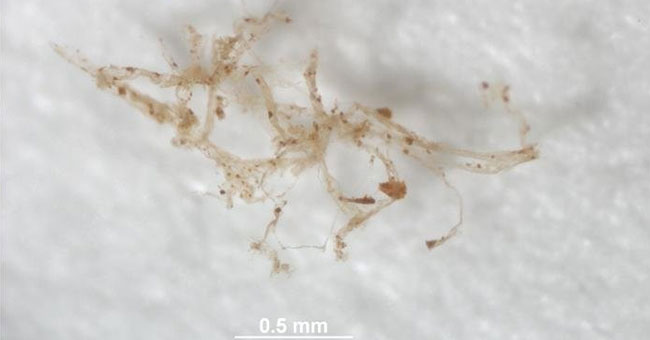
Through research and comparison, scientists found a vein structure in an 80 million-year-old fossil bone fossil of a dinosaur.