
Discover science
Explaining the attraction of thousands of long films
See how science explains how people and houses are now crazy about long films like
Browse ScienceInfo articles and explainers related to Psychology.
283 published items.
See how science explains how people and houses are now crazy about long films like
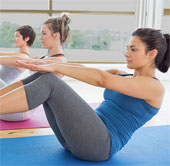
The American doctor, psychiatrist Neel Burton described on Psychology Today that, in fact, a lazy person still has the ability to perform activities like everyone.

According to psychology, there is an obvious fact that we humans are not complete and somewhere in our personality is still lurking in the bad parts.

Shoulder when you go, always abandon yourself ... are habits that seem normal but make your psychology go down.

Read before summarizing stories, advertising between favorite programs ... sometimes things that make you uncomfortable but bring many unexpectedly interesting experienc…
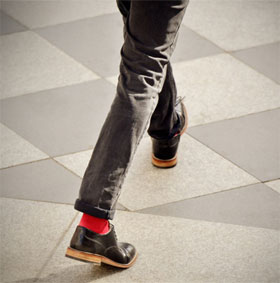
Walking with a step-by-step, definitive step, a high-headed head will help people have a better mood

Let's review a few techniques to help you hypnotize people around you
Most people don't feel comfortable in their own minds, according to a new survey of psychology led by the University of Virginia.
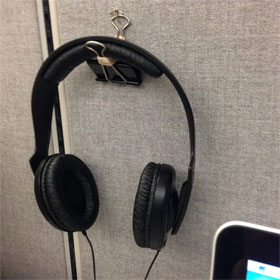
The smallest problems can also affect your whole week of work. Think of all simple issues and solve them in the most interesting way to help you have a comfortable, prod…

From ancient times, music was born with human life. Since then, music has been constantly developing, improving and increasing its influence.
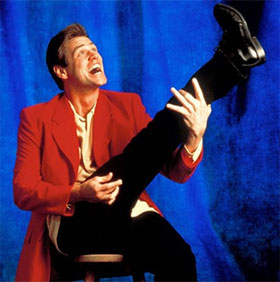
Comedians who are the most sad, funny is not necessarily good ... is considered the reverse side of humor.
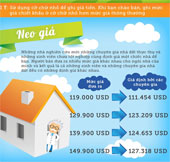
The following infographic presents the results of consumer surveys as well as suggestions for scientific pricing.
Money, stress, color ... are also one of the factors that change people's psychology and awareness.

Research shows that inmates believe they are more kind, generous and moral than those outside the bars.

The study was led by Elizabeth Broadbent, a health psychology lecturer at Auckland University, New Zealand who surveyed 49 healthy elderly people, ages 64 to 97.