Science Events
Explosion a third time at the Japanese nuclear power plant
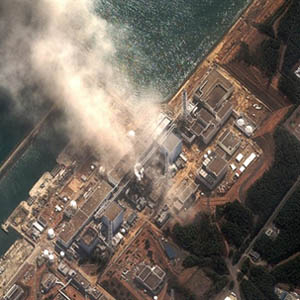
A big explosion occurred early this morning at Japan's Fukushima I nuclear plant, the level of radiation around the plant is now increasing.
Browse ScienceInfo articles and explainers related to Radiation.
747 published items.
A big explosion occurred early this morning at Japan's Fukushima I nuclear plant, the level of radiation around the plant is now increasing.
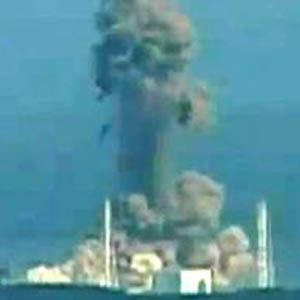
Fires took place at the No. 4 reactor at the Japanese nuclear power plant, after three explosions also at the plant. Radiation levels around the plant skyrocketed and co…
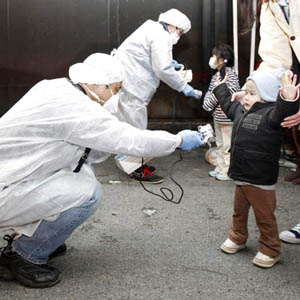
In some incidents of a nuclear power plant, radioactive substances such as iodine (iodine 131 and iodine 129) and cesium (Cesium 137), if left unchecked in the furnace o…
August 20-23, the 8th National Nuclear Science and Technology Conference was held in Nha Trang City (Khanh Hoa) with the participation of 240 delegates in 40 domestic ag…
On January 24, the editorial team of the Atomic Energy Law (Ministry of Science and Technology) in collaboration with the Legislative Research Magazine (VPQH) organized…
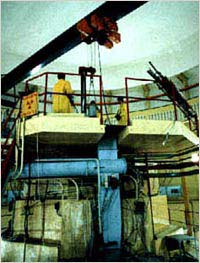
From the Department of Radiation and Nuclear Control and Safety (Ministry of Science and Technology), the Nuclear Research Institute has dismantled to upgrade the contro…

Vietnam Atomic Energy Association and Vietnam Atomic Energy Institute jointly organized the 7th National Nuclear Science and Technology Conference to announce new result…
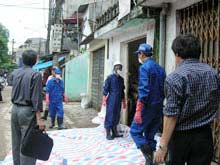
On August 14, Department of Radiation Control and Safety sent an inspection team to Song Da Cement Joint Stock Company. This unit has just lost the radioactivity Cs-137…

The incident of radioactive source leakage at the Institute of Rare Radiation Technology has been overcome promptly, but still caused confusion in public opinion. Mr. Da…
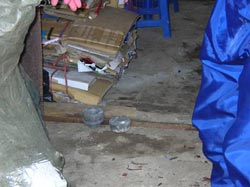
On June 7, the Inspectorate of the Ministry of Science and Technology issued Decision No. 66 / QD-TTra to sanction administrative violations on radiation safety and cont…
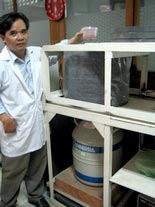
Recently, a measurement was carried out at Ho Chi Minh City Nuclear Center, confirming that some ceramic tiles have radioactivity levels exceeding the permitted limit. D…
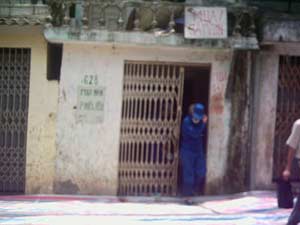
In the house with radioactive material, the radiation dose is only 0.4 Micro Sivert; about twice the font level of the environment. In addition to sidewalks and furnaces
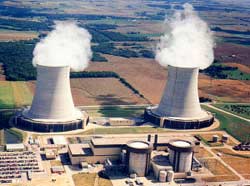
The first nuclear power plant in Vietnam will be built in 2015 and put into operation in 2020 by turnkey method. This is the content of VN Atomic Energy Strategy, newly…
Australia will help train Vietnamese experts in identifying, storing derelict radioactive sources or poor management, and building up legal infrastructure for this issue…
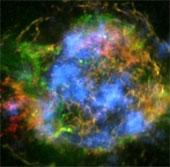
NASA's NuSTAR nuclear spectrophotometer is currently helping scientists decipher the mystery of how stars become supernova by mapping the remnants of the radiation mater…