Discover science
Submarine K-27 - Soviet
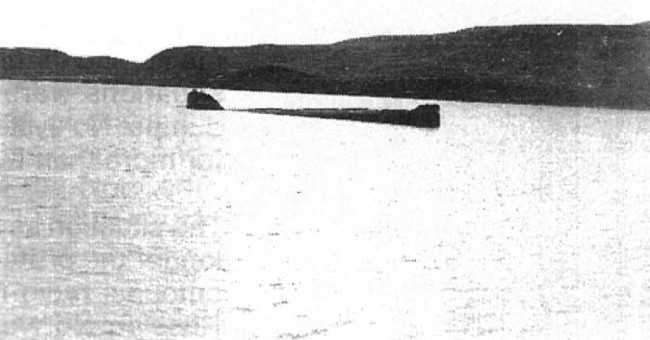
At the height of the Cold War in 1968, 144 Soviet sailors on the K-27 submarine sailed to the North Pole to collect information about the NATO base.
Browse ScienceInfo articles and explainers related to Reactor.
315 published items.
At the height of the Cold War in 1968, 144 Soviet sailors on the K-27 submarine sailed to the North Pole to collect information about the NATO base.

Instead of using chemical fuels, the fruits
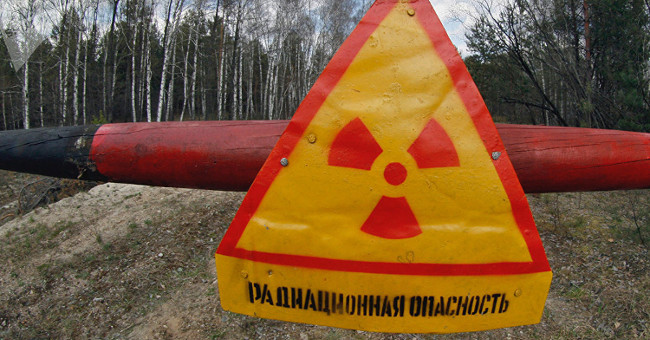
Scientists tried to calculate how many radioactive nuclides flew into the air when the nuclear reactors melted and how long the planet could not live.

Sitting on a flight, you are temporarily away from the hustle and bustle of the world below. It is certainly an interesting feeling that every passenger wants to enjoy.

According to calculations, the hydrogen-boron reaction could produce more positive net energy than any current reactor. Even this reactor did not produce a byproduct of…
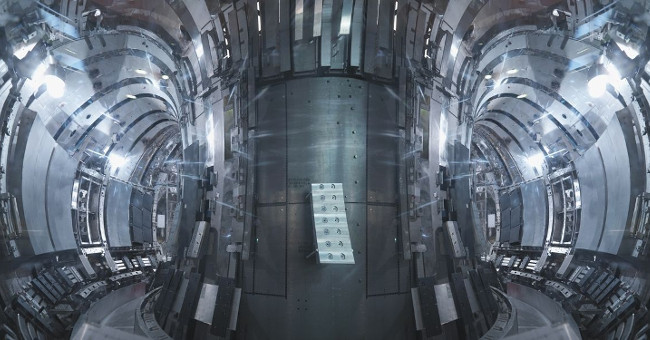
Superheated helium gas passes through the metal and leaves pores that weaken and gradually destroy the nuclear fusion reactor.
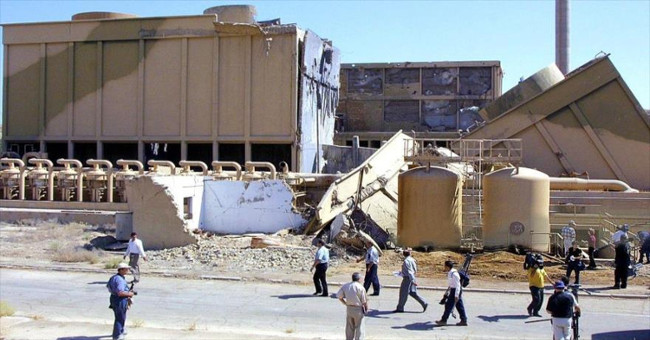
North Korea's continuous test of missiles and nuclear bombs made the United States increasingly concerned that Pyongyang was about to possess weapons of mass destruction…
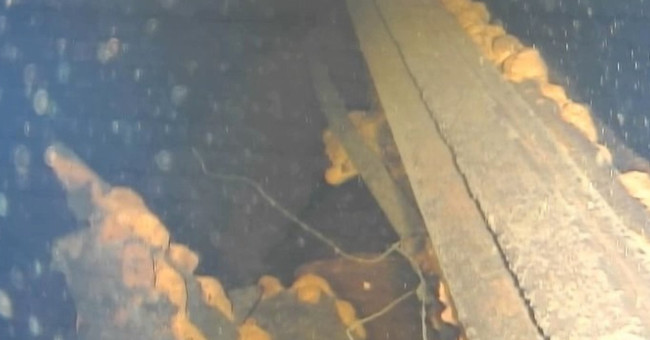
Tokyo Electric Power Company (TEPCO) on July 23 said that a large number of hardened plaques and deposits were found for the first time at the bottom of the primary prot…
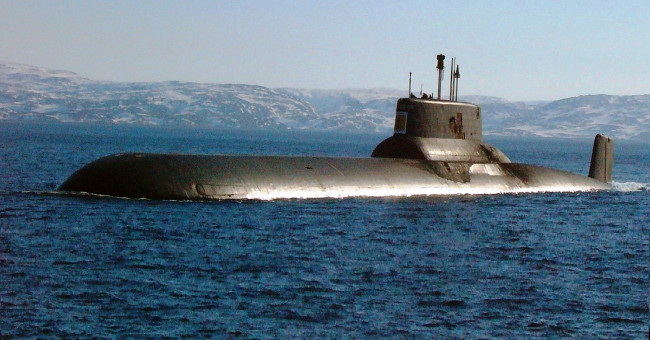
When nuclear submarines are no longer in use, experts will dismantle them in a complicated and time-consuming process.
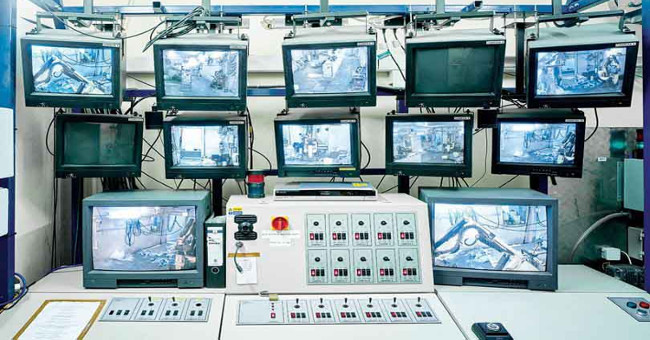
On a beautiful afternoon, Wired newspaper reporter went to the factory called
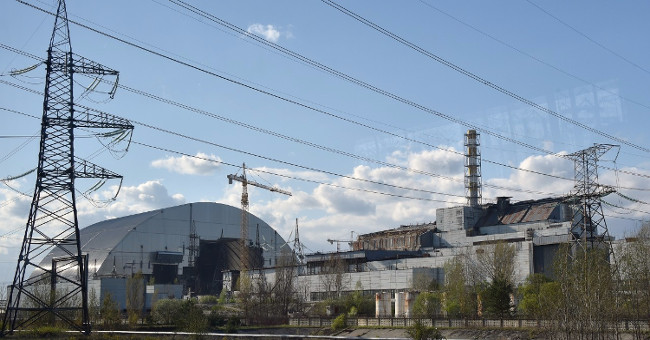
Euronews news network on November 15 reported the work of moving and
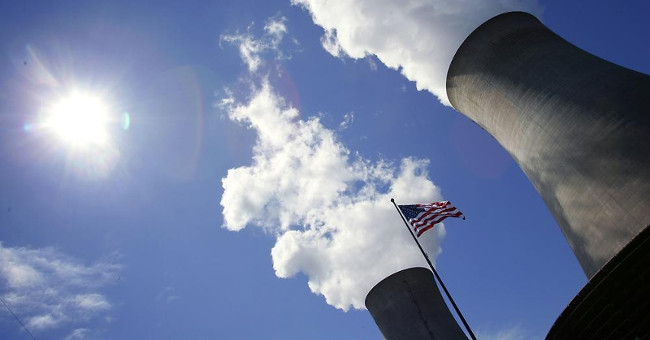
The US Geological Survey has just discovered a huge Urani mine in southern Texas with reserves of up to 90,700 tons.
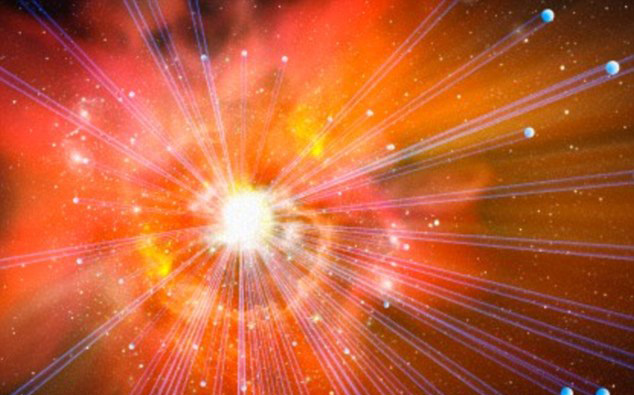
For decades, scientists have worked out the mystery of the origin of neutrinos, or
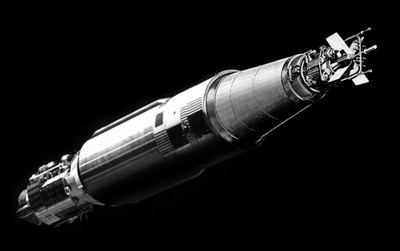
Of course, this reactor had stopped working and fell from its orbit, though it did not cause any harm when returning to Earth.

There are many ways to classify nuclear reactors, of which the most common classification is based on the retardants and heat transfer agents used in the reactor.