Space science
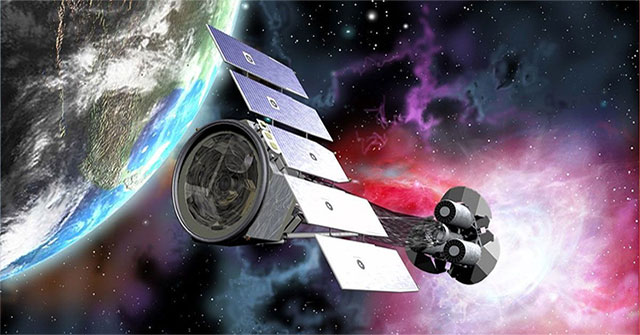
NASA is about to launch a spacecraft to study black holes
SpaceX's Falcon 9 rocket will carry NASA spacecraft and X-ray polarization observatory to observe the black hole in 2021.
Browse ScienceInfo articles and explainers related to Research.
1,218 published items.
SpaceX's Falcon 9 rocket will carry NASA spacecraft and X-ray polarization observatory to observe the black hole in 2021.

Many argue that excessive exposure to ultraviolet rays from the Sun is a career hazard that astronauts suffer, which can easily lead to cancer and heart disease.
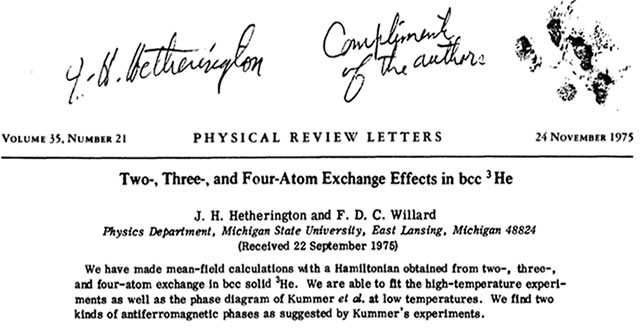
This is a true story that happened in 1975 and this study was reviewed, then published in Physical Review Letters to describe the experimental results of the discovery o…

For the first time, a Vietnamese surgical doctor received a Vietnamese record certificate with the criteria

Popeye sailor is famous for chewing up vegetables and dozens of spinach boxes to improve his fitness, and the latest scientific research shows that it is no coincidence…

Scientists were 'stunned' when they discovered the Arctic snow fox that went from Norway to Canada - a journey of 3.506km - in just 76 days.

This AI model is capable of reading instructions for making cakes and creating finished products.

Research makes us put question marks on everything, up to the real people.

On June 19, researchers at Chile's University of Concepción reported finding cancer cells that met their nutritional needs and became 'immortal' by absorbing vitamin C.

In the future, astronauts will live in architectural blocks called Marsha, with full facilities and safety.

Researchers are on the way, finding a way to compensate 2% of the reduced energy on each solar cell.

The phenomenon of cancer resistance is one of the causes of cancer treatment difficult, even causing cancer recurrence in some people.
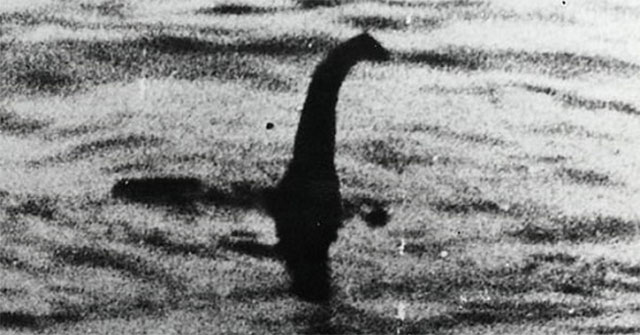
The results of DNA analysis in the country can help identify all creatures living in Lake Scottland, including the Loch Ness monster if it exists.

More than 6,000 rare and precious specimens such as biological bones and sedimentary rocks were first announced after marine exploration and research.

A new study published in Evolutionary Behavioral Sciences provides further evidence that people with high IQ tend to prefer non-verbal music to other music genres.