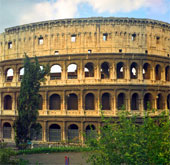
Archeology
Decode the mystery of ancient Roman architecture
More than 2,000 years ago, the Romans developed a standard formula for making mortar that links pebbles and stones made of volcanic ash and bricks to build structures.
Browse ScienceInfo articles and explainers related to Roman.
470 published items.
More than 2,000 years ago, the Romans developed a standard formula for making mortar that links pebbles and stones made of volcanic ash and bricks to build structures.
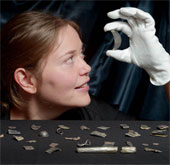
The treasure consists of many pieces of silver, coins and jewelry found in northeastern Scotland.
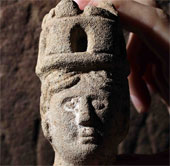
The head of a stone figurine of a Roman goddess was excavated by archaeologists at South Shields, England.
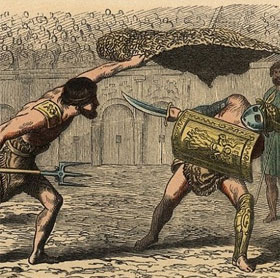
Researchers have recently discovered a diet rich in plants and meatless Roman gladiators.

The largest known coin treasure in the UK has an estimated 22,000 Roman coins, dating from the 4th century.

This statue is 12.5cm tall with the breast, wings, eyes and crests covered in green and blue enamel. The ponytail is also glazed and removable.
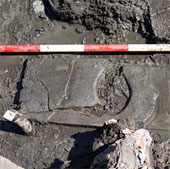
Archaeologists have recently discovered a wooden toilet seat dating back 2,000 years ago to a fortress in England.
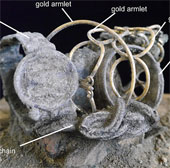
A series of ancient Roman jewels were unearthed beneath a department store in London, England, dating back nearly 2,000 years.
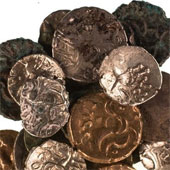
Recent archaeologists excavated a treasure of many coins dating to about 2,000 years old, in a cave in England.
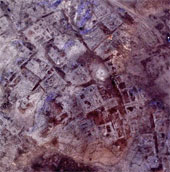
Experts have recently discovered traces of an ancient city in Egypt, dating from the ancient Greek-Roman period more than 2,000 years ago.
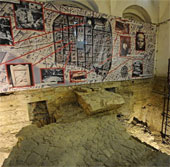
The latest archaeological findings in this archaeological area in the heart of the Tuscany region include a stone-paved walkway with colored painted stones.
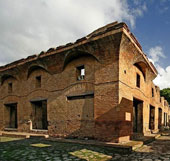
The ancient Roman port of Ostia was built on the mouth of the river Tiber, it was built into a giant complex under Emperor Claudius and named Portus-meaning port.
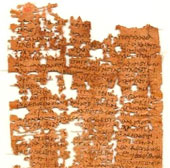
The letter revealed in part the sentiment and longing for the Roman soldier to participate in fighting for the army.
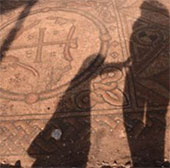
Israeli archaeologists announced on January 22 that they discovered the background of one of the largest churches of ancient Rome, about 1,500 years ago.
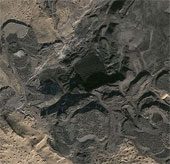
A treasure trove of dinosaur fossils and extinct species long ago in northeastern China was created in Pompeii style after the volcano's wrath.