
1001 mystery
The lamp that lights up for 1,500 years without going out and the mysterious energy source in the tomb
When excavating a tomb in Rome, it was discovered that a 1,500-year-old lamp did not turn off. So what is the mystery behind?
Browse ScienceInfo articles and explainers related to Rome.
124 published items.
When excavating a tomb in Rome, it was discovered that a 1,500-year-old lamp did not turn off. So what is the mystery behind?

Researchers have recently unearthed a remarkable mosaic from the Roman era in Great Britain.

The Holy Roman Empire was not divine, not Roman, nor really an empire.

Many leaders said they had hoped the G20 meeting in Rome would yield more positive results.

Scientists have announced the discovery of an ancient city in the northern capital of Rome (Italy) by ground-sweeping radar (GPR).

After being weakened and divided by the Han Dynasty, a part of the Huns decided to migrate to the west, opening a whole new history for this warlike nation.

The death pit suddenly opened in front of the Pantheon temple in Rome, revealing the stones used to pave the road more than two millennia ago.
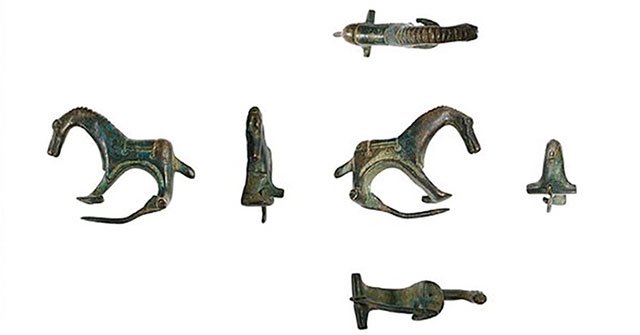
Rare specimens from ancient Rome were found by an amateur archaeologist in a field in Lincolnshire County, England.

Archaeologists in Rome (Italy) believe that this mysterious ancient tomb belongs to the wolf-raised king - Romulus, also the founder of ancient Rome.

Sometimes people are willing to ignore the facts and add fictional details to make the historical story more interesting.

According to the IAA Antiquities Agency, only 20 ancient hammers are currently recorded in the national antiquities database, including six of the Eastern Roman Empire p…

The ancient Roman army was not only famous all over the world thanks to the discipline, thanks to the strength of each soldier but also thanks to the formidable military…

Three skeletons dating from the Roman Empire period were found underground in the capital Rome in a state of almost intact preservation.
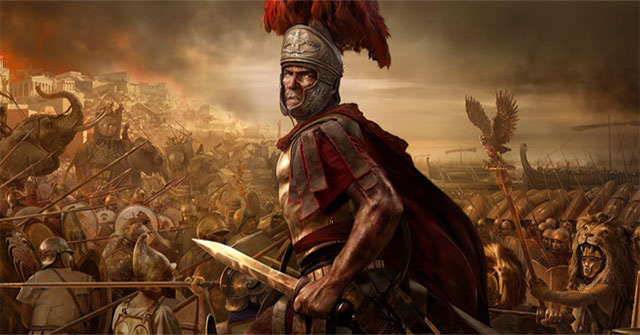
Historians have recently made a comment about the motive of the Roman dictator Gaius Julius Caesar's pursuit of all power.

Scabies recorded by literature appear from ancient Rome, caused by Sarcoptes Sxabiei insects and only scabies can cause disease.