Oceanography
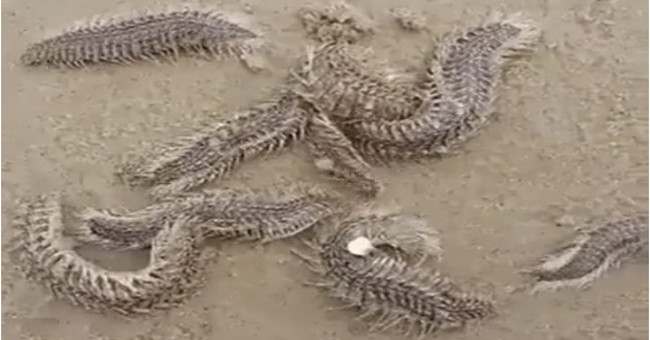
Go to the summer beach beware of this malformed monster
Summer is a time when everyone wants to go to the blue ocean, a series of resting days under the original coconut without worrying about anything.
Browse ScienceInfo articles and explainers related to Sea.
3,672 published items.
Summer is a time when everyone wants to go to the blue ocean, a series of resting days under the original coconut without worrying about anything.
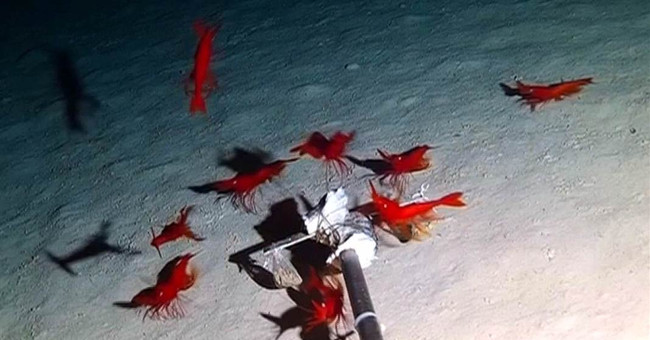
The video of creatures has just been published in an international conference organized by the China Marine Mineral Resources Research and Development Association (COMRA…
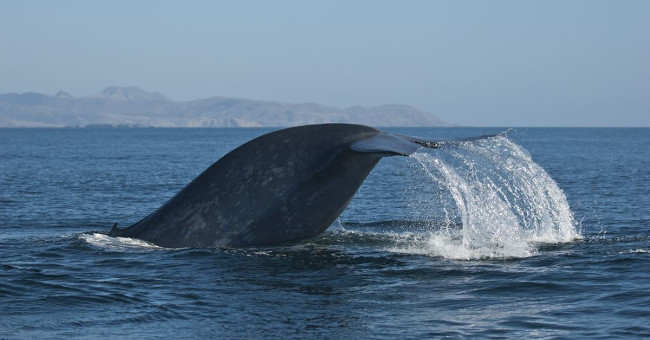
Animals are more likely to get lost in their journey from the Indian Ocean to the cold seas in the north.
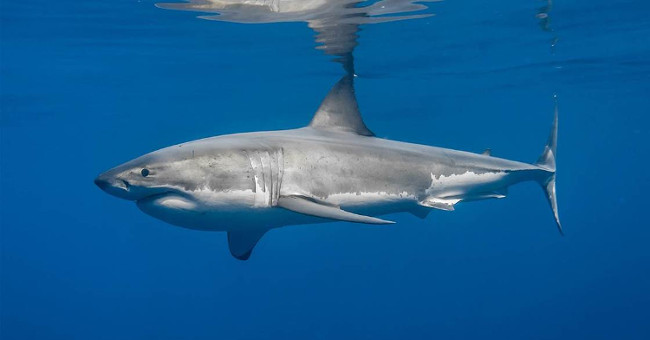
Giant white shark is really a god of the sea. They are one of the organisms that lead the food chain under the ocean.
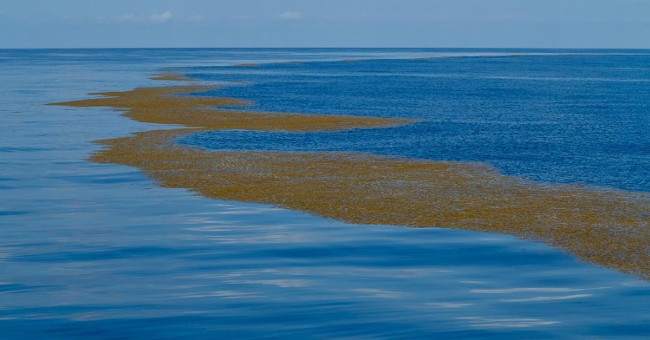
Unlike other oceans, Sargasso is not formed by the lands around it, but by the four ocean currents located in the Subtropical Flow.
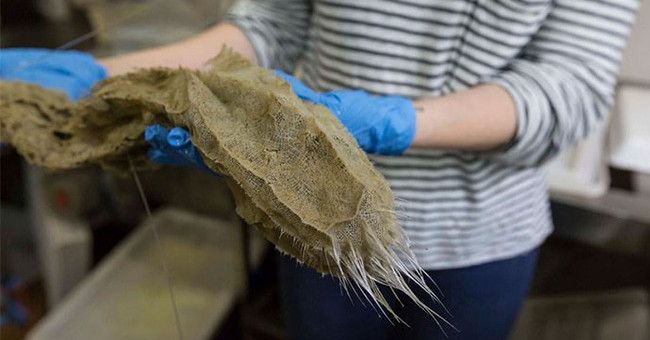
Off the east coast of Australia there is a sea basin (abyss) at depths of 4000 - 6000m, here is almost permanently dark.
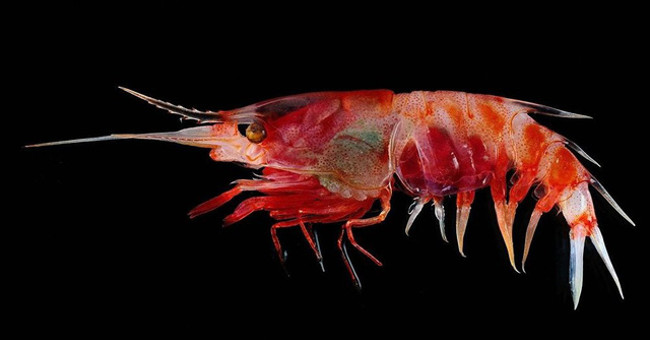
Members of the Indonesian expedition discovered dozens of new animals, Science magazine reported.
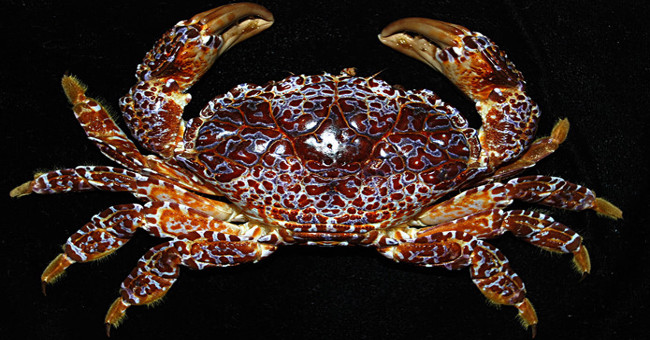
Devil face crabs have vivid colors but behind that eye-catching appearance they are really scary assassins. This crab species is found in the waters from Da Nang to Vung…

In the past few decades, the scientific community has continuously given us a warning about the seriousness of climate change as well as its threat to the global ecosyst…
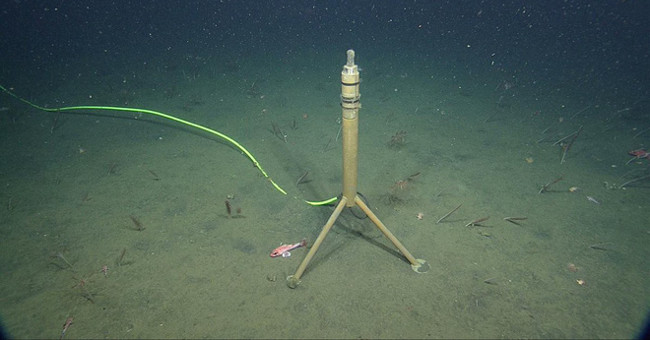
This is a project of the Monterey Bay Aquarium Research Institute (MBARI) in 2015, about 29 km off the coast of California.
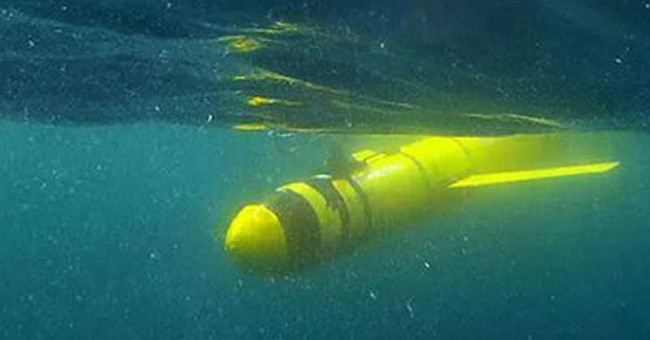
The newly discovered waters are about the same size as the Mekong Delta, located under the Arabian Gulf.

According to the Daily Star, the body of this strange creature was discovered on the New Jersey coast on 4/5.

In March 2018, Nekton discovered an odd 300m deep seabed and named it
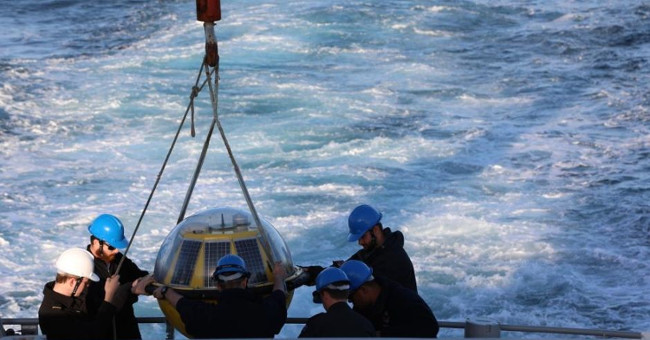
According to ocean researcher, Mr. Tom Durrant, the above wave broke the record for the highest wave also in the Southern hemisphere in 2012 was 22.03m.
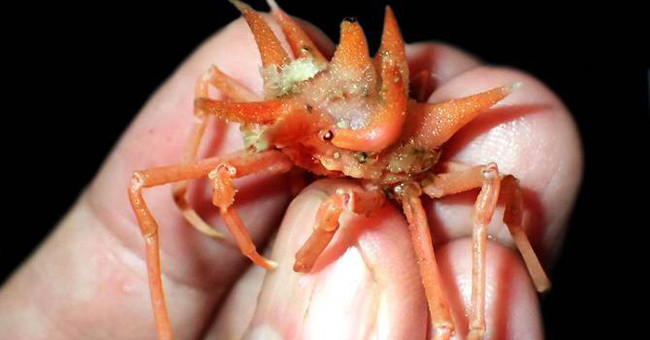
The team used different types of nets as well as special devices to capture tiny organisms.