New technology
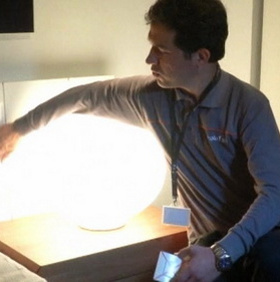
Turn on the wood touch sensor
Spanish researchers are developing a touch-sensitive technology for household appliances. With this technology, users just need to lighten the wooden wall to turn the li…
Browse ScienceInfo articles and explainers related to Sensitive.
201 published items.
Spanish researchers are developing a touch-sensitive technology for household appliances. With this technology, users just need to lighten the wooden wall to turn the li…
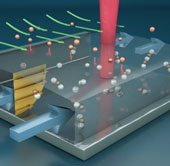
The new bio-based design of odor receptors in dogs is capable of rapidly detecting hazardous chemicals.
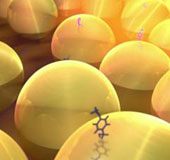
UK researchers have successfully developed a system capable of rapidly detecting chemicals in small quantities, whether it be contaminants, explosives or drugs.
British scientists have recently developed a super-sensitive sensor that allows detection of many diseases and viruses at the earliest.
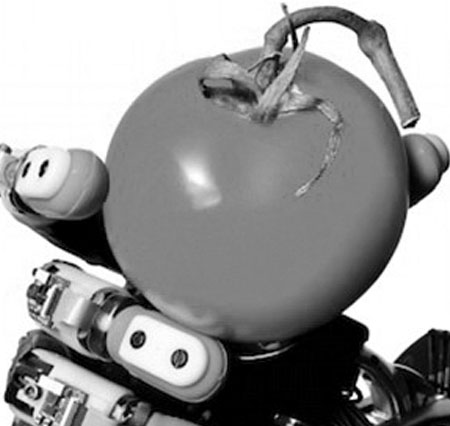
The University of South California has developed a touch-sensitive robot that simulates human finger movement but is much more sensitive. It can distinguish more than 10…
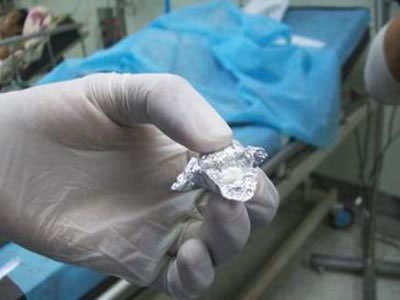
This device is made up of magnetic gold-plated magnetic nanoparticles, which are not only super-sensitive to the detection of chemical compounds, but also for rapid resu…

Scientists at the Catalan Institute of Nanotechnology in Spain have successfully tested the world's most sensitive sensor capable of measuring the mass of a proton p…

Scientists have successfully researched the 'electronic skin' technology that has a very sensitive sense of touch like human skin, Nature Materials said.
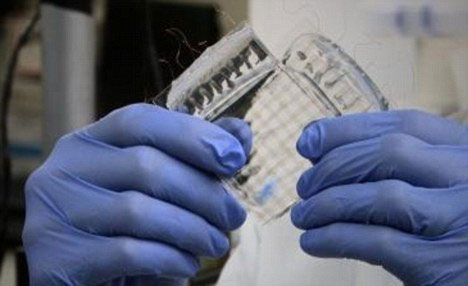
Scientists at Stanford University (USA) have developed a successful one
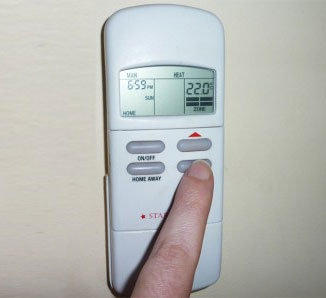
Researchers at the University of Nottingham in Ningpo, China, have created a new type of heat-sensitive material that can cut heating and cooling costs for buildings.
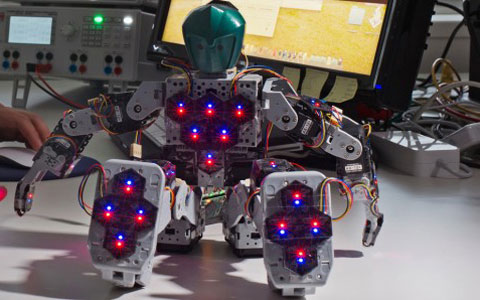
German scientists have created robots capable of sensing even the smallest impact or temperature change just like humans.
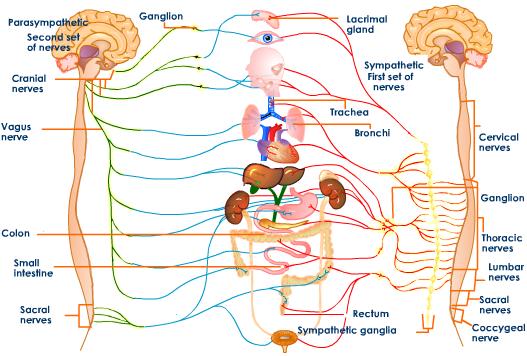
Scientists are developing a fluorescent fluid to inject into the patient's body, thereby glowing nerves.

In the future, the professional dog at the airport could be replaced by a much smaller animal.

The color change window is not a new invention. But the window that touches the ambient temperature and adjusts the transparency itself is a unique product from RavenBri…

Researchers at Stanford University are developing nanoscale chips that can detect early biological markers of cancer in humans.