1001 mystery
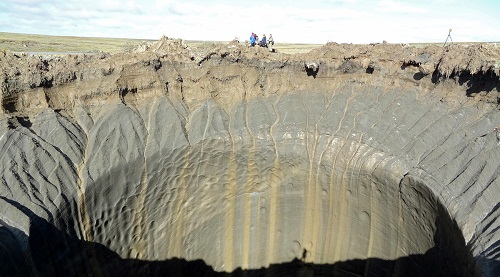
The mysterious crater in Siberia houses a 25-storey building
The giant crater in Russia's Siberia region, discovered last year and unknown cause of formation, is up to 60 m deep and can accommodate a 25-storey building.
Browse ScienceInfo articles and explainers related to Siberia.
179 published items.
The giant crater in Russia's Siberia region, discovered last year and unknown cause of formation, is up to 60 m deep and can accommodate a 25-storey building.

The analysis of strange hair samples in Russia's Siberia shows that they belong to a higher animal than a monkey but not a human.
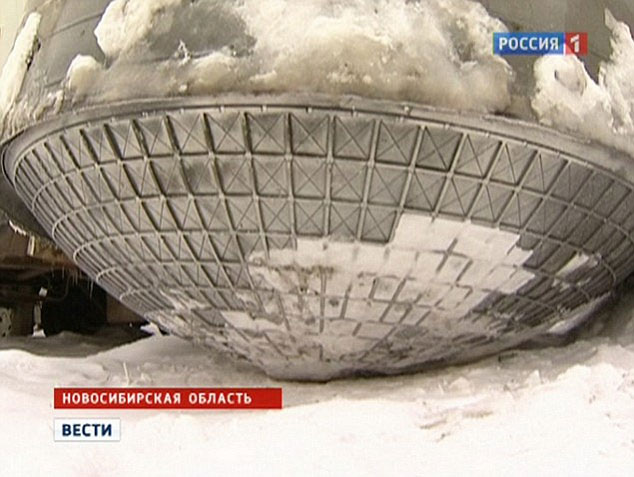
The strange 200kg object, about 2m long, was discovered near the Siberian village of Otradnensky - about 3,200km east of Moscow.
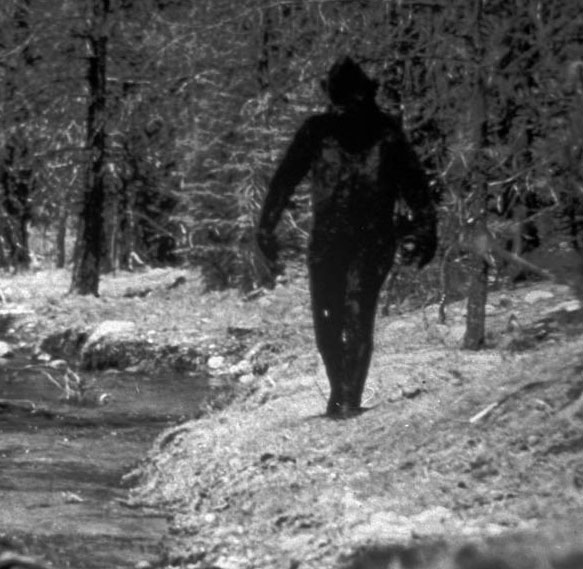
A group of scientists has just released a statement: they have found evidence that the Yetis snowman not only exists but also builds 'houses' by twisting the branches to…
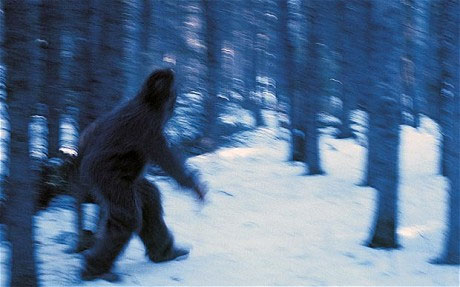
The Russians in Siberia have claimed that they have found the mountain where Yetis resides and
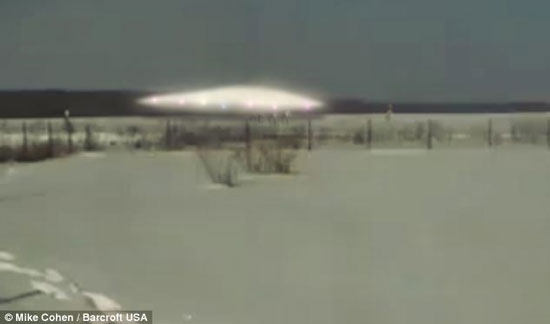
The continuous occurrence of UFOs in the past days in Siberia has led many locals to scare the police for help.
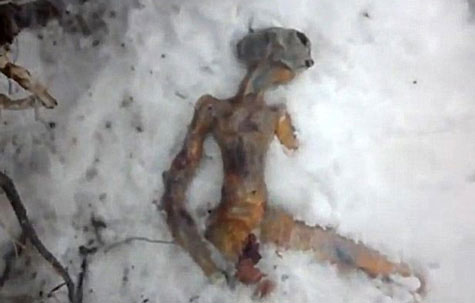
A video recording the alleged image of an alien in Irkutsk, southern Siberia is causing controversy in the online community.

Siberia region is not only famous for its rich nature and climate harshness. It also hides many secrets that seekers constantly seek ...
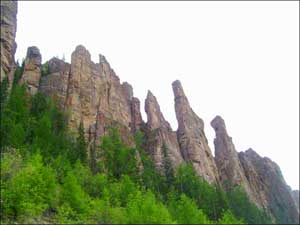
Located in the northwest of Yakutia - Siberia, near the upper reaches of the Viliuy River there is a strange valley, where traces of major geological changes in the eart…
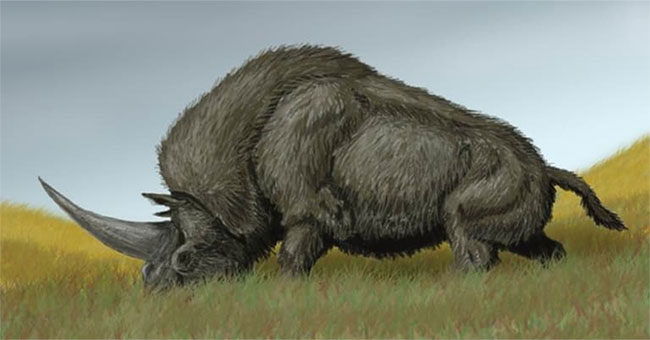
In the latest discovery of paleontologists, the previously rumored mythical unicorn was present in Siberia unlike what was once imagined.
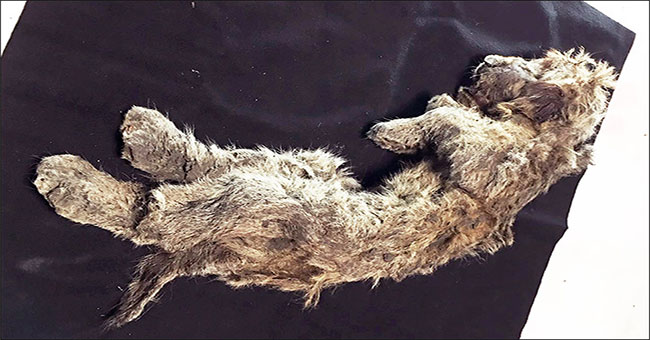
According to the Daily Star, Spartak's corpse is found only about 15 meters away from the body of his brother's name, Boris.

According to the Mirror, the Yakutsk-based research facility costs more than £ 4.5 million. This facility is compared to
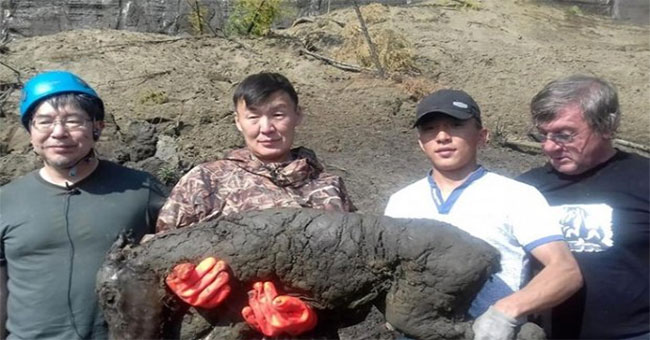
A 3-month-old fossil horse found in Siberia is a fossil horse
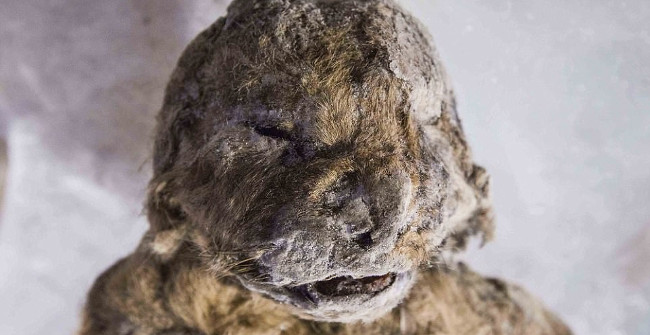
The intact Siberian lion body 55,000 years old died when only one to two days old, according to researchers' new findings.
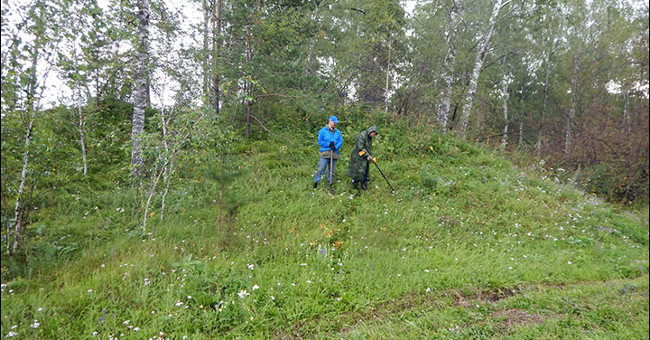
The team led by Professor Andrey Borodovsky has discovered the walls of walls dating back more than 3,000 years in Siberia, Russia, and the Siberian Times on August 15.