Space science
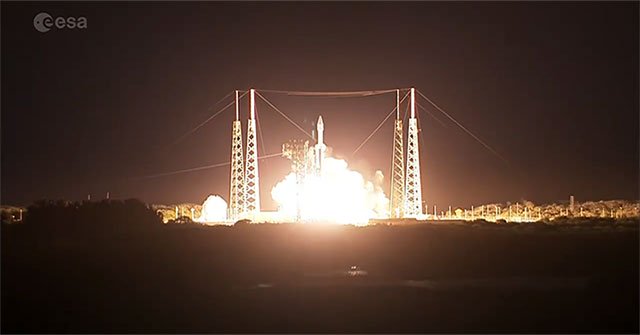
Successfully launched the solar probe
Solar Orbiter spacecraft launched from Cape Canaveral air base in Florida at 11h03 on 10/2 Hanoi time and began the journey to reach the Sun.
Browse ScienceInfo articles and explainers related to Solar.
2,143 published items.
Solar Orbiter spacecraft launched from Cape Canaveral air base in Florida at 11h03 on 10/2 Hanoi time and began the journey to reach the Sun.
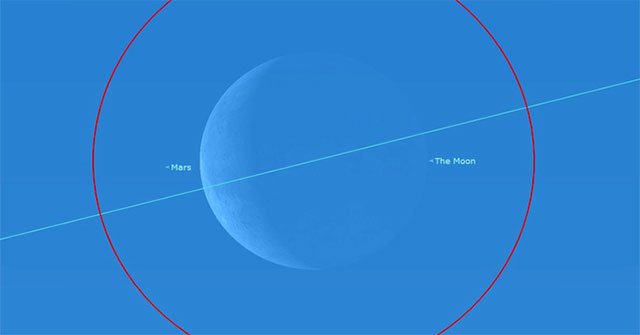
A strange solar eclipse in which the moon does not eat the sun, but ... Mars is one of many strange phenomena that dominate the sky in February.
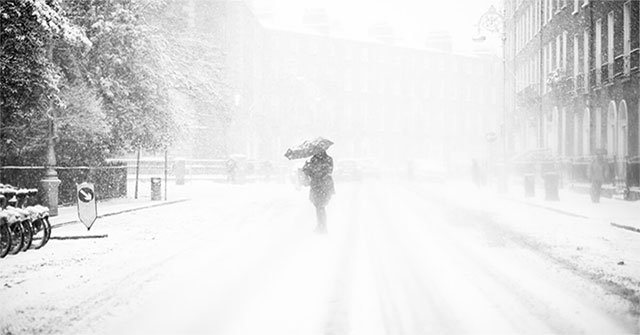
A scientific expert has warned that the Earth may experience a 'mini ice age' lasting over 30 years, causing a sharp drop in temperatures and a possible scarcity of food.
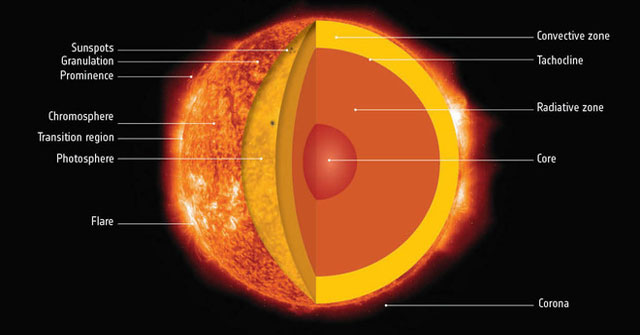
Then one day the Sun will run out of energy and will no longer shine brightly.
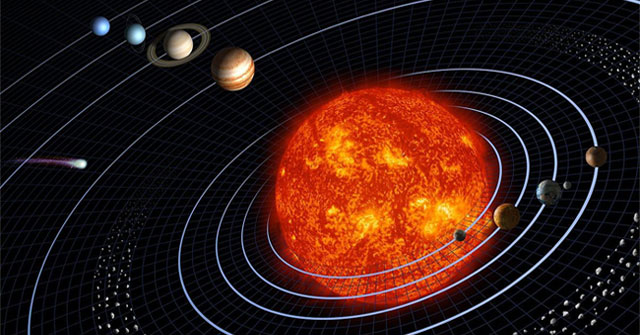
What is in the solar system? An astronomer once cleverly answered:

Inouye telescope in Hawaii, USA has just taken pictures of the Sun's shell with dense plasma material. This is the sharpest picture ever taken of people.
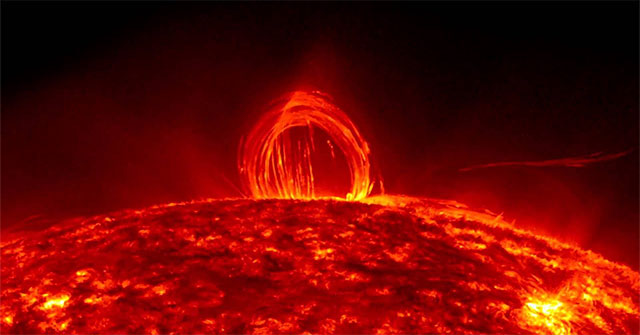
Scientists for the first time published images recording solar flare.
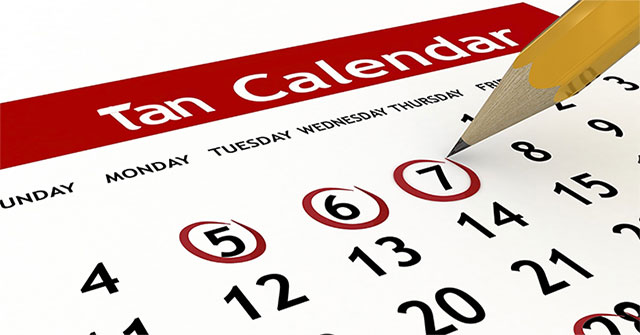
We all know that a year has 12 months, which is 365 days. So how many days per month should be reasonable?
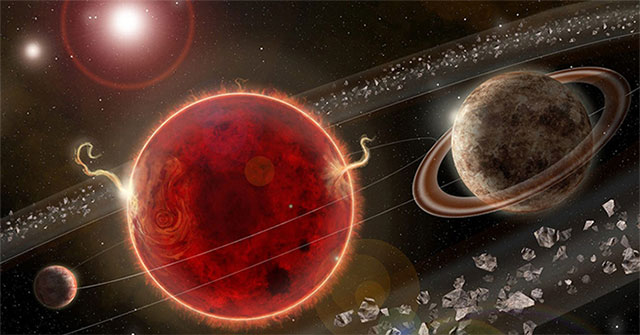
Astronomers found the exoplanet Proxima c orbiting the red dwarf Proxima Centauri, only 4.2 light-years from Earth.

Why is everything in the solar system spinning? And why do almost every rotation have the same direction?
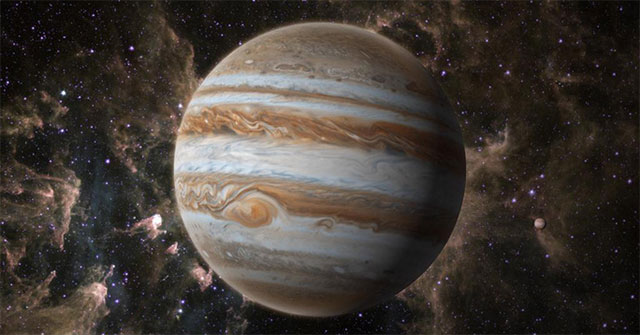
The research results show that the gas giant of the Solar System is not exactly the bodyguard of Earth and other small rocky planets as previously thought.
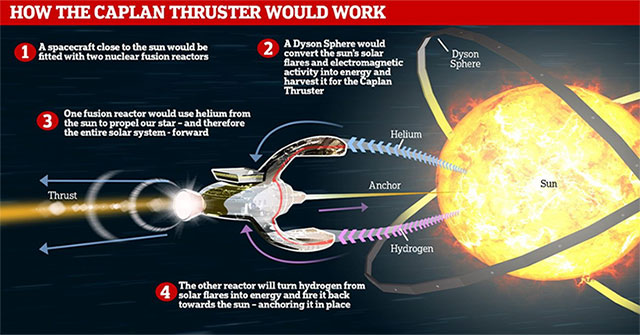
Physicist Matthew Caplan came up with the idea of moving the Solar System with a giant device that draws energy from the sun's heat.

Astronomers have long understood that a star called Thuban, possibly a North Star with the ancient Egyptians, is actually a pair of stars. NASA astronomers recently disc…
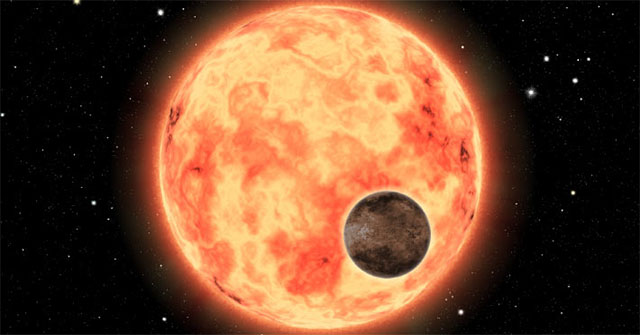
Another solar system with the center is a sun-like star and two planets (one is super-earth, the other is a copy of Neptune) found by NASA's planetary hunters.

There is a theory that an eclipse will make the egg stand up because of the changing gravity. Is that true?