Space science
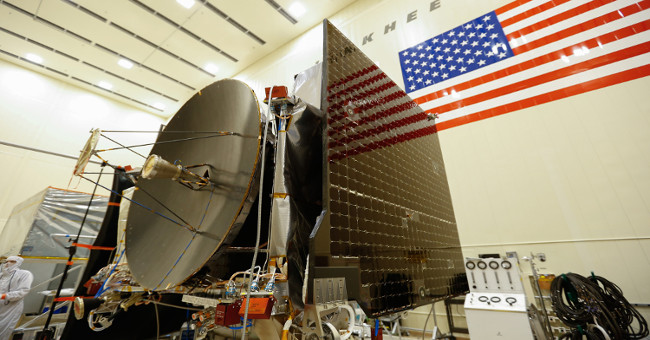
NASA will launch the world's most massive
OSIRIS-REx's destination is the asteroid Bennu, with the goal of seeking the origin of life as well as the origin of the Solar System.
Browse ScienceInfo articles and explainers related to Solar.
2,143 published items.
OSIRIS-REx's destination is the asteroid Bennu, with the goal of seeking the origin of life as well as the origin of the Solar System.
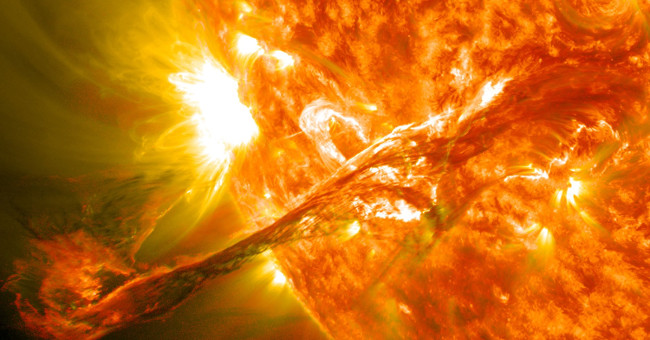
The world almost went through a nuclear disaster after a Sun storm interfered with radar and interrupted radio signals at the coldest time of the Cold War.
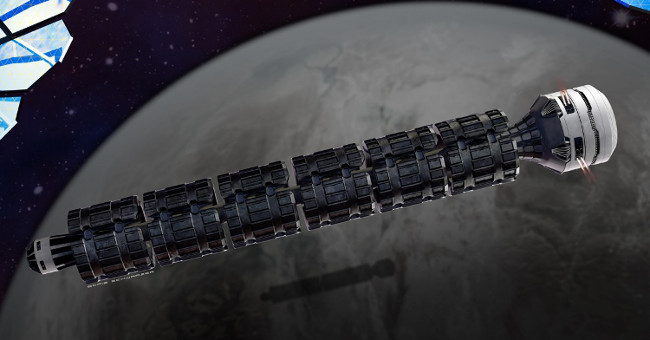
A Canadian engineer proposed the idea of building a space-traveling train that could take people to the Moon for more than two minutes at a speed of 3,000km / s.
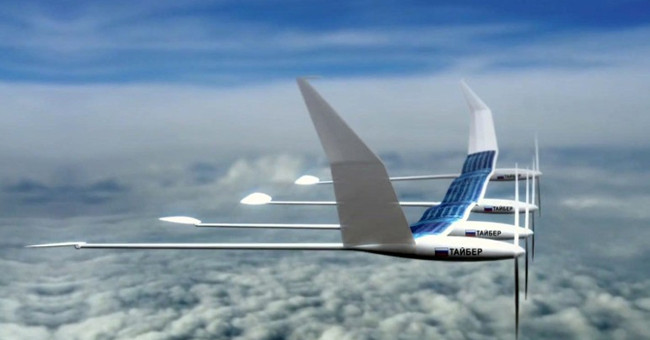
Russia has recently successfully tested the solar satellite using solar energy.
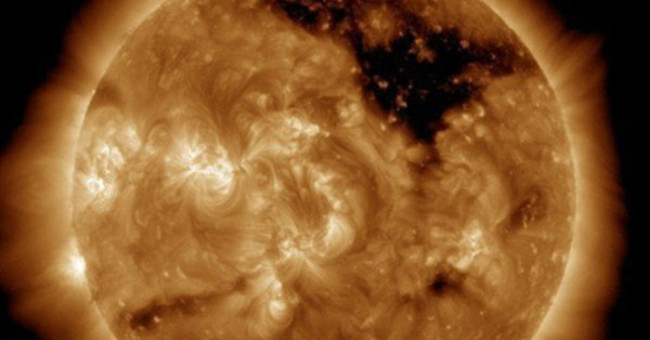
A clear picture of a black hole in the Sun can make many people fear for the future of our solar system.
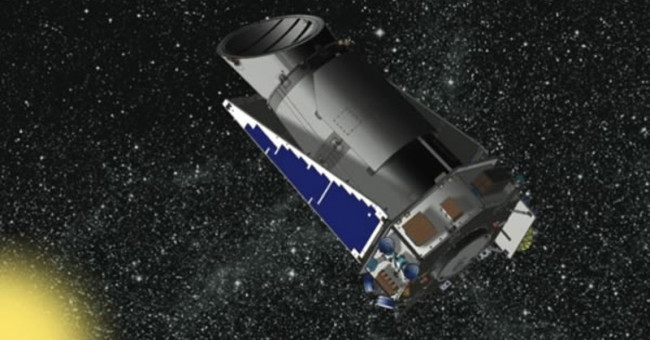
On July 18, an international team of scientists announced that 104 more planets outside the Solar System have been discovered, of which four planets may have Earth-like…
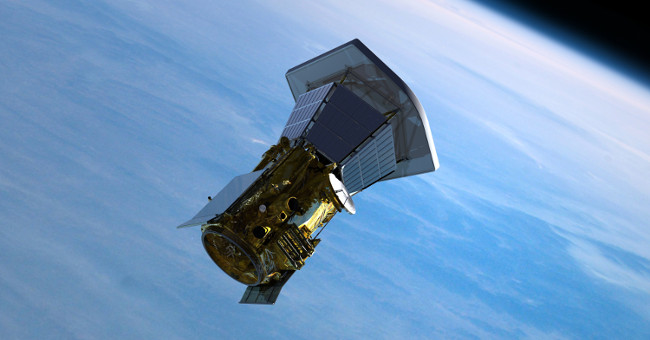
NASA said it is completing the Solar Probe Plus spacecraft (SPP), designed for solar exploration purposes, to prepare to launch into space in the summer of 2018.

Space travel is an interesting concept, but relatively macro. Therefore, not many people can understand deeply, and accompanying mistakes about it.

The mystery that lasted more than half a century about unspecified long traces in the Imbrium impact crater has been explained by the highly detailed analysis of the res…
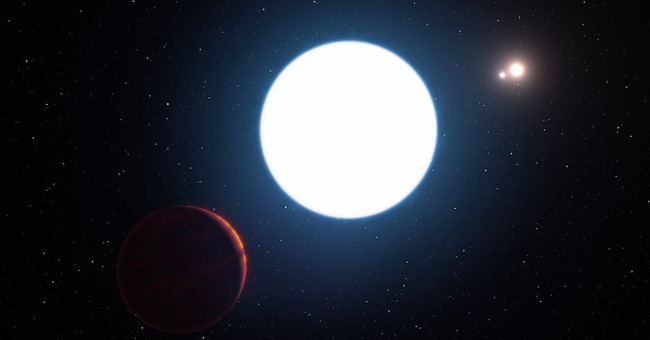
A group of astronomers said on July 7 that a strange planet outside the solar system has been discovered, orbiting 3 stars.
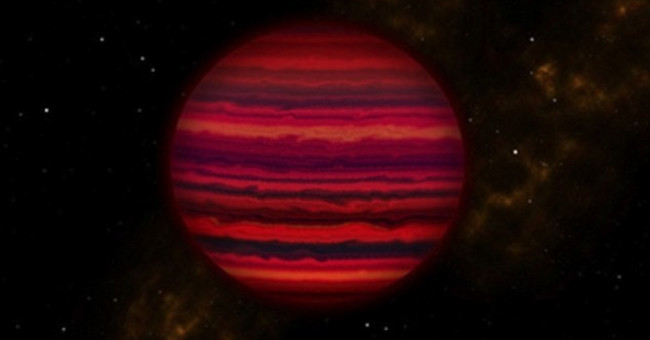
Water vapor and clouds are quite common forms of matter in a star outside the solar system. This is an important finding for astronomers.
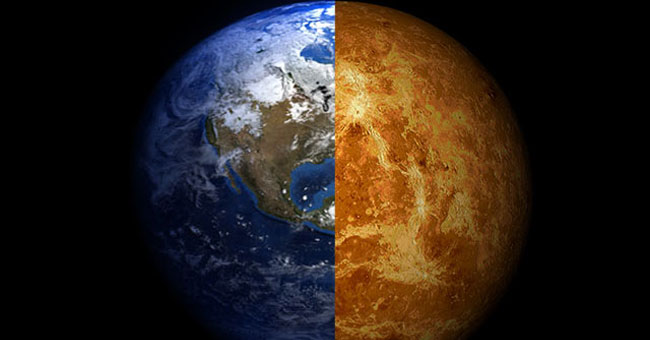
A new theory states that if conditions change only slightly, lush life can exist on Venus, thereby causing the Earth to become a dead planet.
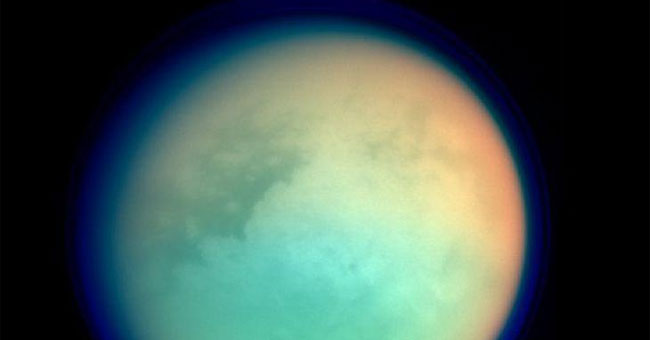
Saturn's largest moon - Titan - is one of the places where flower scientists put much hope into finding the life of aliens in our solar system.
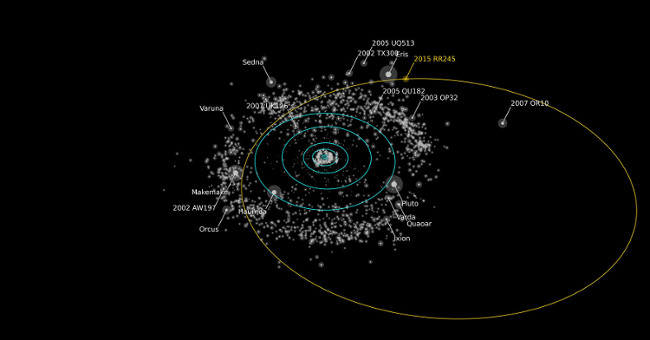
A team of astronomers, including researchers from the University of British Columbia (Canada), have discovered a new dwarf planet farther away than Neptune in the Solar…
The harsh environment on other planets in the solar system can destroy planes in scary ways.