Space science
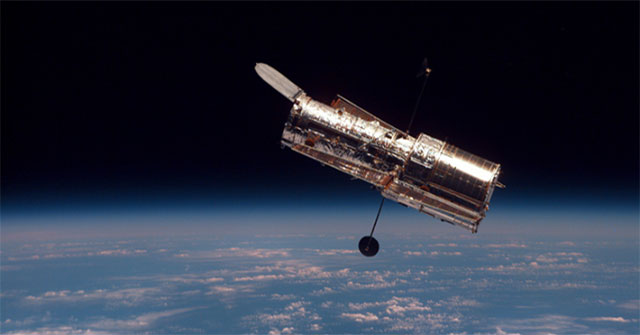
The Hubble Space Telescope hits the one billion second mark
The Hubble telescope with the mission to explore the vast universe has been operating for 31.7 years, bringing a lot of valuable scientific information.
Browse ScienceInfo articles and explainers related to Space.
3,896 published items.
The Hubble telescope with the mission to explore the vast universe has been operating for 31.7 years, bringing a lot of valuable scientific information.

Photos taken of Yury Gagarin back to Earth after the space flight showed him only wearing a regular warm suit, so what happened?
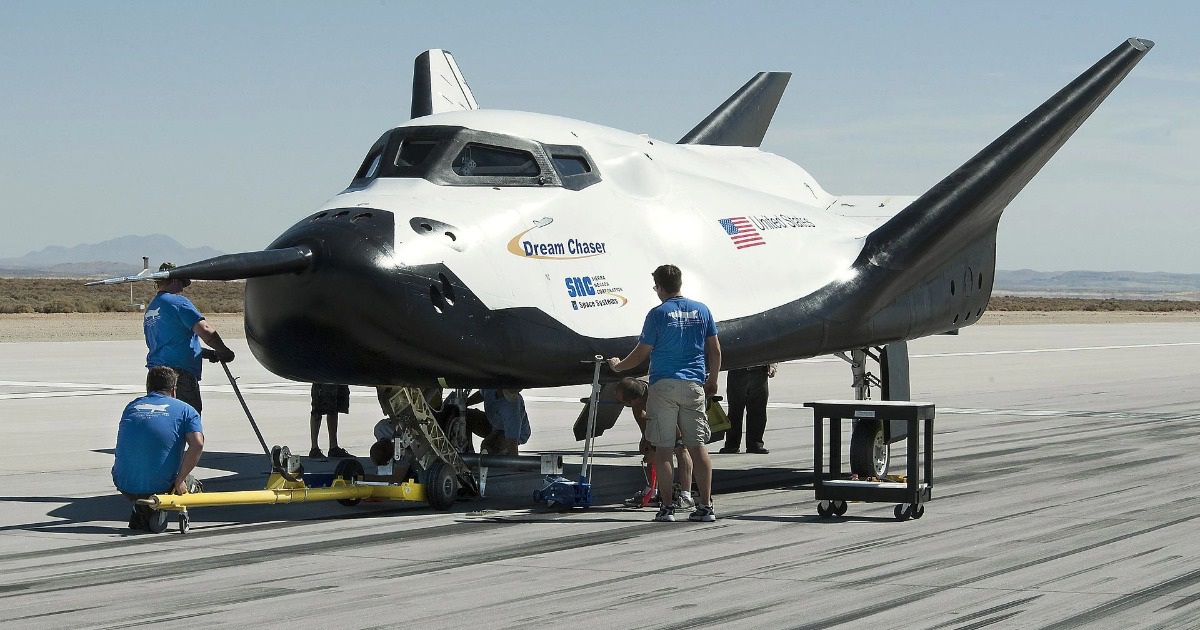
With a capacity of 6 crew members, the Dream Chaser spaceship will realize the dream of carrying people into space, thereby officially setting foot in the space tourism…
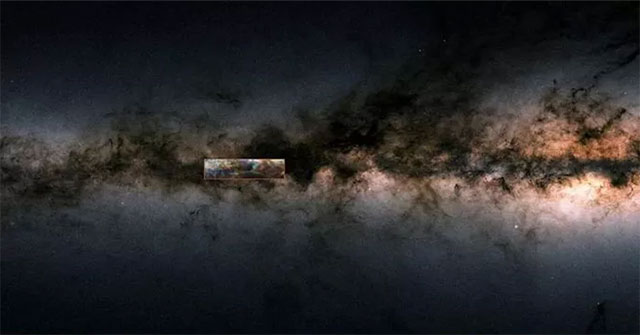
Maggie is a mysterious, unknown, and one of the largest filamentous structures ever observed in a galaxy containing the Earth's Milky Way.
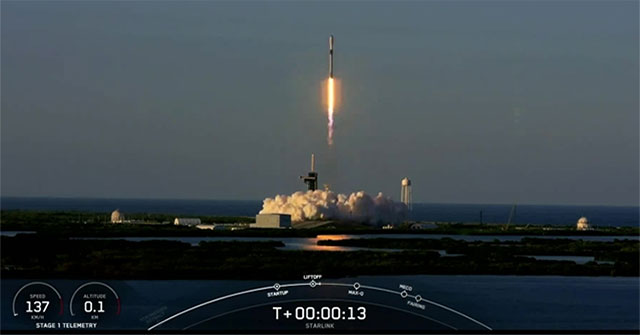
SpaceX this morning successfully launched its first space mission in 2022, carrying a new batch of Internet satellites into orbit.

The ability to see and feel with the mind is a spiritual phenomenon that helps people to grasp information and images from a distant place without having to leave the ro…
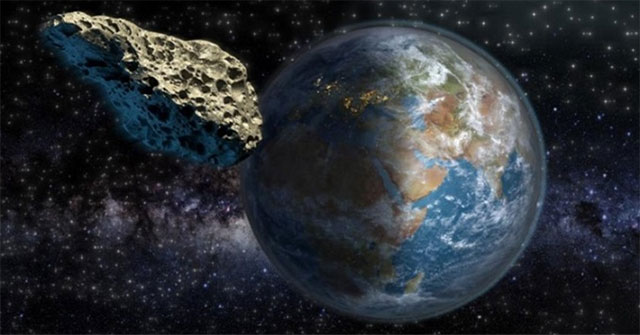
Asteroid Apophis will pass by Earth in April 2029, which can release 30 times more energy than the Tsar Bomba atomic bomb if it collides.
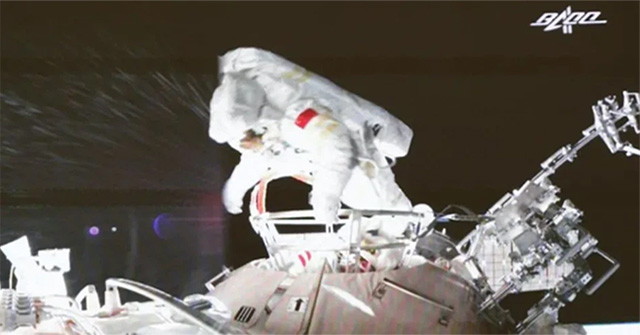
In the early morning of December 27, during China's first space station construction mission, the Shenzhou 13 astronauts completed the second spacewalk lasting about 6 h…
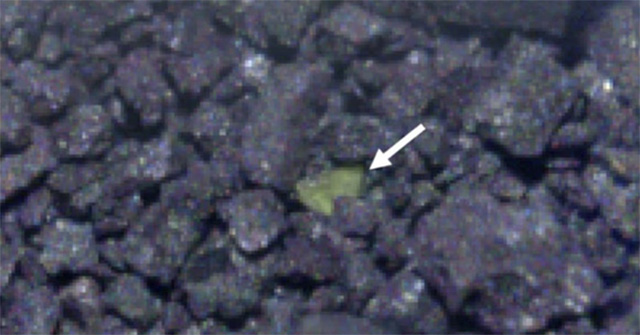
A type of dark matter that is very dark despite being illuminated by light, porous and has properties similar to clay recently brought back from Ryugu, the celestial bod…
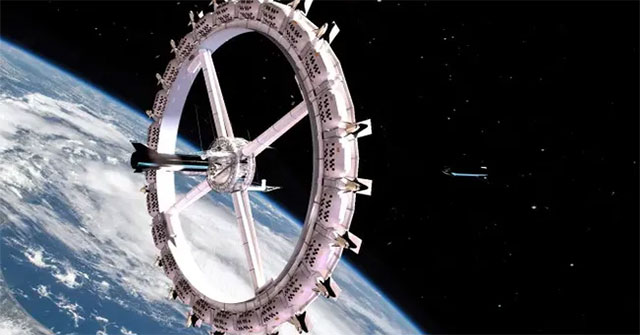
Resorts in luxury villas and hotels are about to become obsolete, when we now have the right to dream of vacation trips in space.
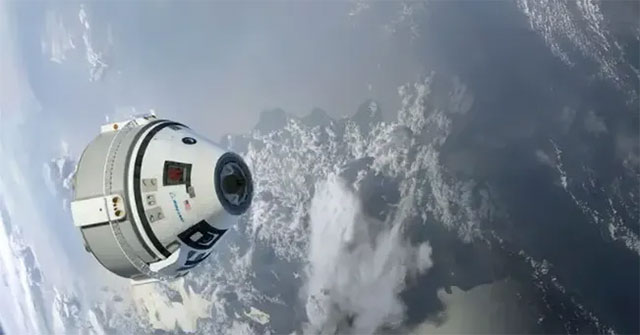
Humans have been, are and will always have the ambition to explore the universe, and in fact human's ability to access space and space is greater than ever.
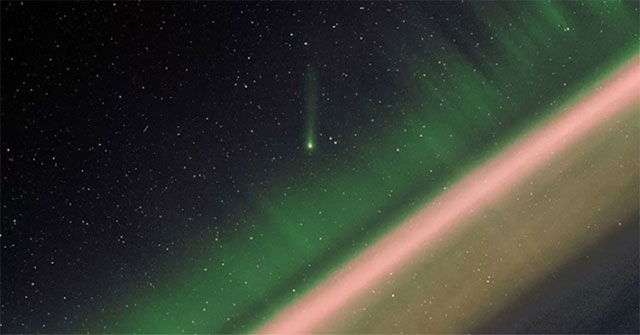
China's Yangwang 1 satellite captured the moment comet Leonard's closest approach to Earth on December 12.
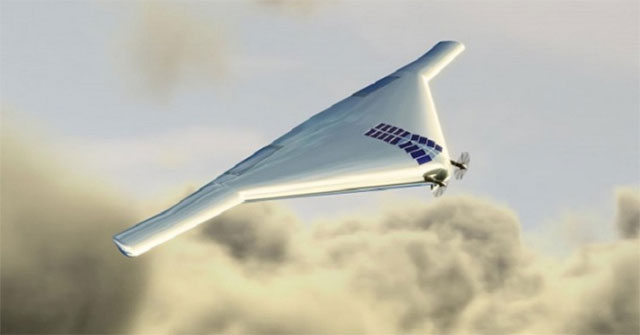
Designing a lighter-than-air plane could help explore the clouds in the Venusian upper atmosphere in the future and detect signs of ancient life.
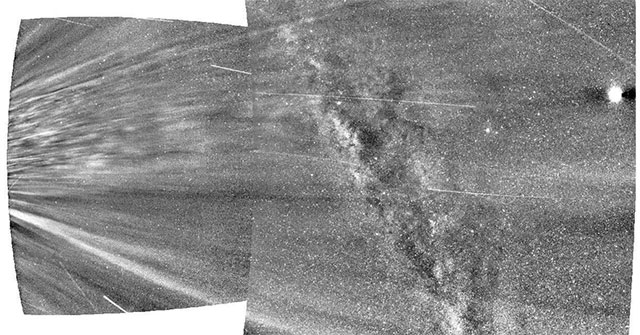
During the August approach, the Parker spacecraft plunged through the Sun's atmosphere, capturing fleeting images of planets such as Mars and Earth.

With extremely high sensitivity, the FAST radio telescope has helped scientists detect a large number of pulsars and radio signals.