
Space science
How crazy is Elon Musk's mission to bring people to Mars?
Elon Musk recently announced his ambitious plan to bring people to life on Mars.
Browse ScienceInfo articles and explainers related to Spacecraft.
1,157 published items.
Elon Musk recently announced his ambitious plan to bring people to life on Mars.
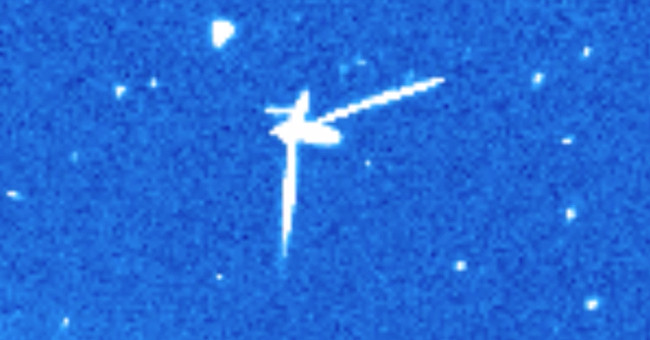
Alien enthusiasts claim that strange objects in images recorded by NASA are spacecraft coming from other worlds, approaching and sucking solar energy.
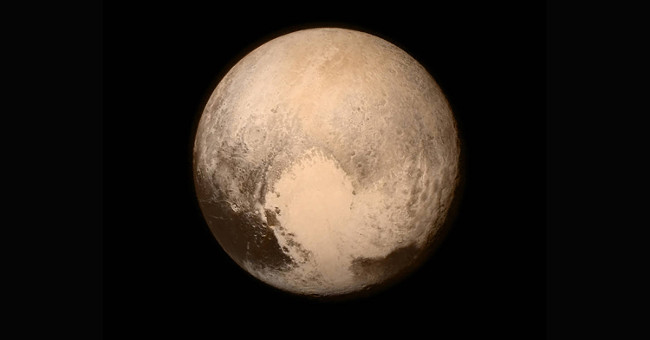
Scientists have recently revealed more information about the giant heart on Pluto that caused fever in 2015.

The famous physicist said that it is necessary to be cautious when responding to aliens' signals because they can turn the Earth into colonies to exploit the material of…
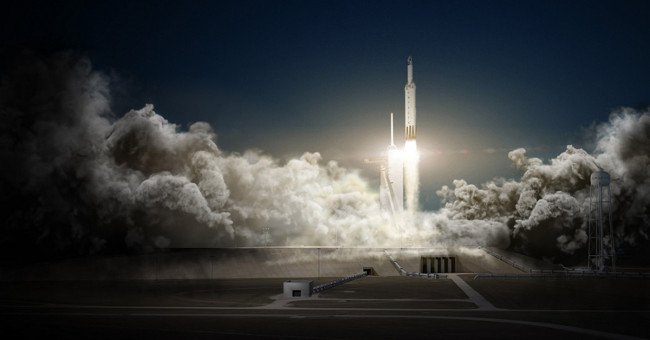
Next week, CEO SpaceX - Mr. Elon Musk will officially announce detailed information about the plan
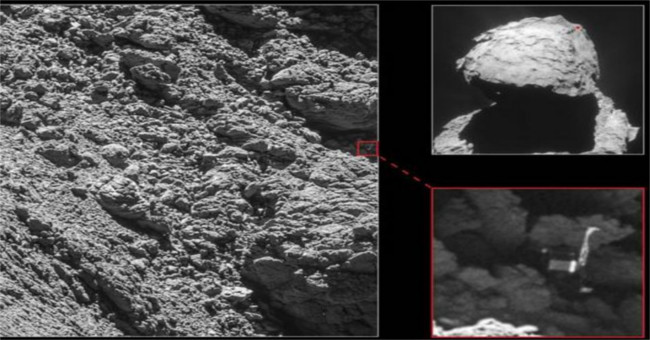
Scientists discovered that the probe robot Philae was stuck in the crack in the comet through a photograph of Rosetta's mother ship.
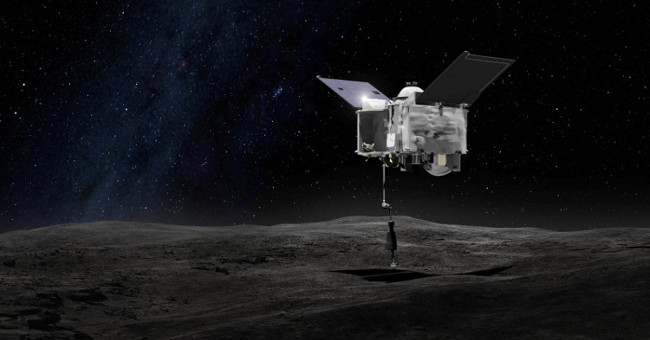
The Orisis-Rex spacecraft will collect specimens on the asteroid Bennu and bring it back to Earth to study the meteorite that threatens to destroy the Earth.
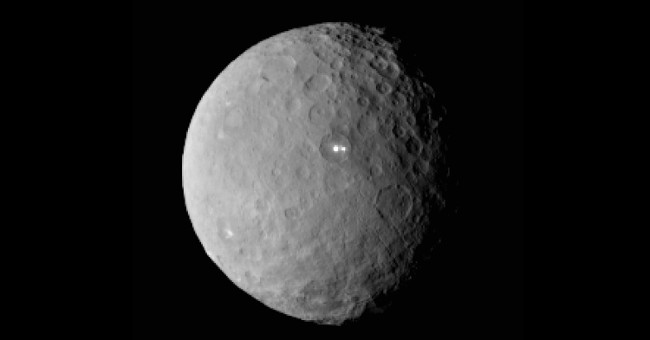
For the first time, scientists at NASA found evidence of a mysterious form of ice volcano on the dwarf planet Ceres.
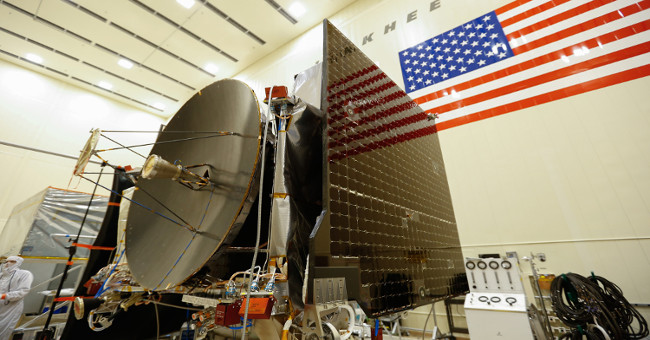
OSIRIS-REx's destination is the asteroid Bennu, with the goal of seeking the origin of life as well as the origin of the Solar System.
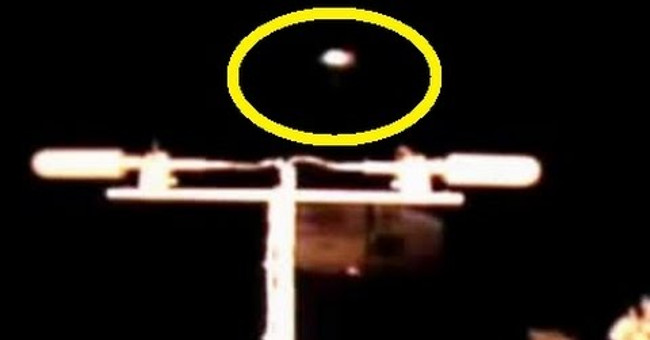
In the live video footage of NASA's International Space Station (ISS), there are two flashes of suspicion that the alien spacecraft is moving.

According to ScienceAlert, NASA has successfully tested the world's most powerful rocket engine.
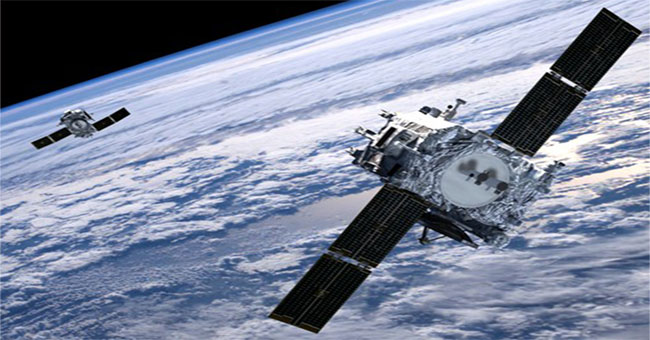
In 2014, NASA lost contact with a spacecraft. It seemed like it was forever gone, suddenly on Sunday night (August 21), NASA caught its signal.
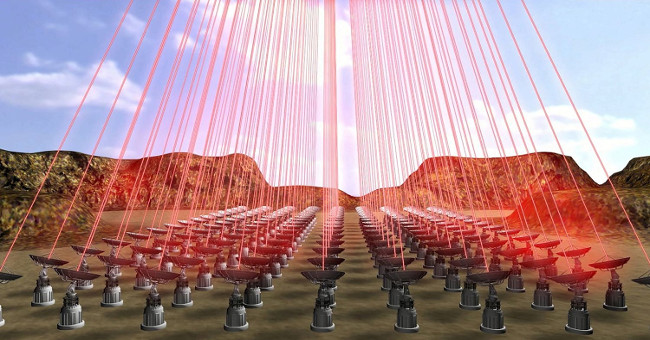
Famous astronomer Stephen Hawking and Russian billionaire Yuri Milner plan to bring the probe to the nearest star system in the near future.
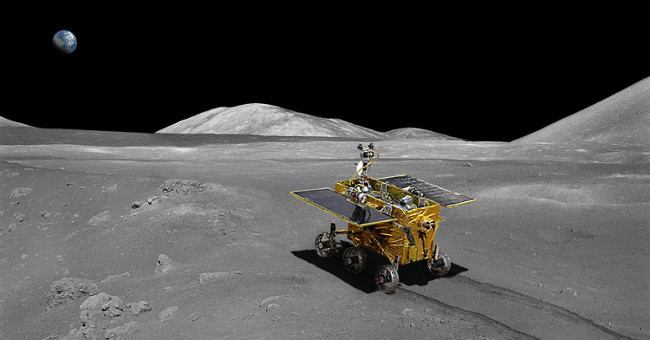
Ngoc Rabbit, China's self-propelled robot, stopped working after 31 months of collecting data on the surface of the Moon.

The landing on Mars is similar to NASA's Viking 1 spacecraft 40 years ago (July 20, 1976), which is an extremely complicated task because Mars's atmosphere is quite thin.