Space science
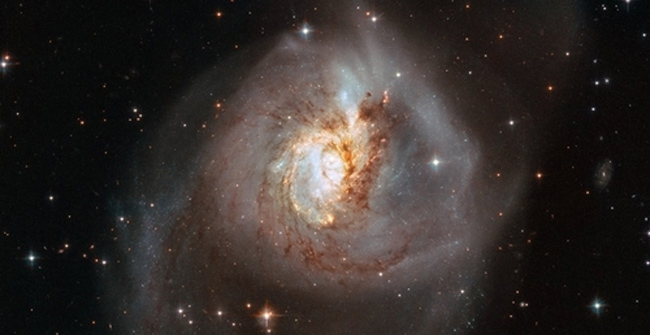
The galaxy deforms 100 million light-years from Earth
Galaxy NGC 3256 has a distorted shape due to the formation of a collision between two spiral galaxies.
Browse ScienceInfo articles and explainers related to Star.
2,098 published items.
Galaxy NGC 3256 has a distorted shape due to the formation of a collision between two spiral galaxies.
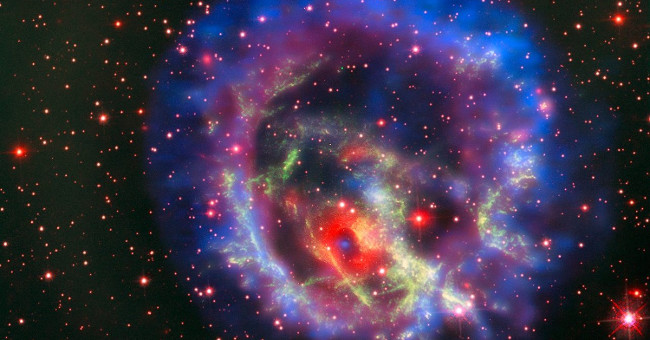
The new neutron star has been identified as a rare star, has a low magnetic field and has no companion with any star.

The collapse of supergiant stars or collisions between two white dwarfs can lead to the formation of supernovae.
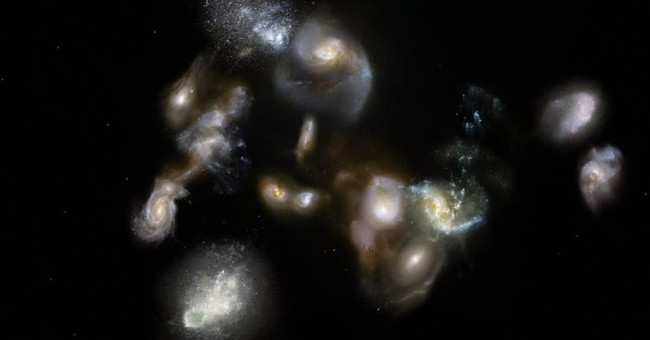
By looking at the ancient past of the universe, the researchers found collisions beginning about 1.5 billion years after the Big Bang, much earlier than originally antic…
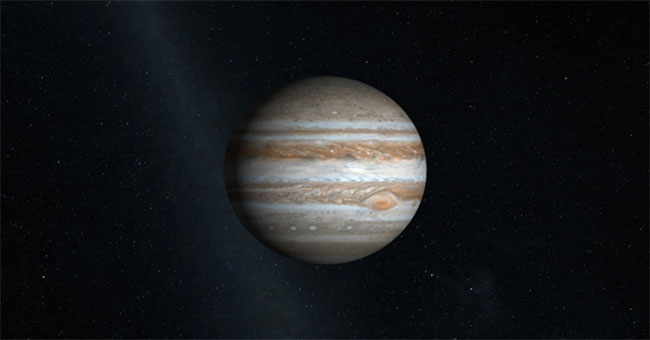
Many scientists believe that the Earth was formed and protected from some Jupiter collisions.
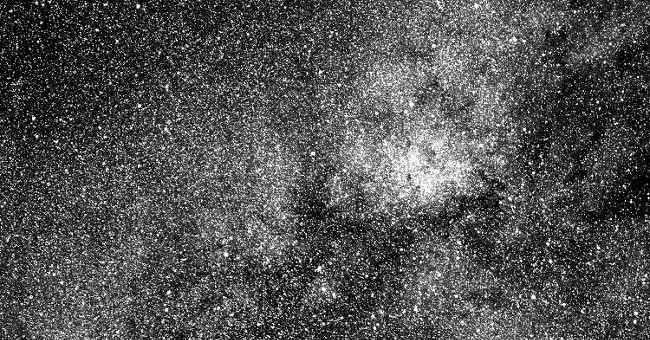
The Exoplanet Satellite Survey (TESS) sent the first shot when it was about 8,000 kilometers from the Moon, Space reported on May 18.
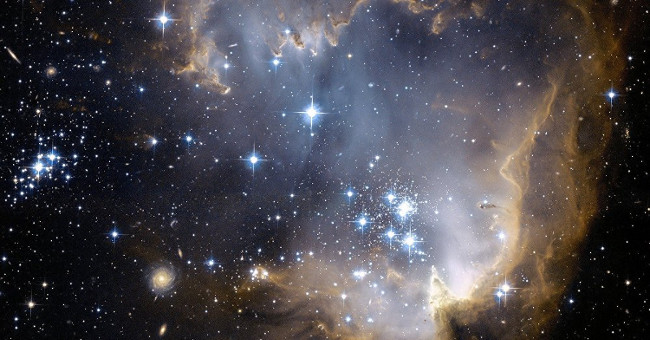
Learners at the European Space Agency (ESA) said the Herschel space telescope found two mysterious laser streams originating from a rare binary star system called the An…
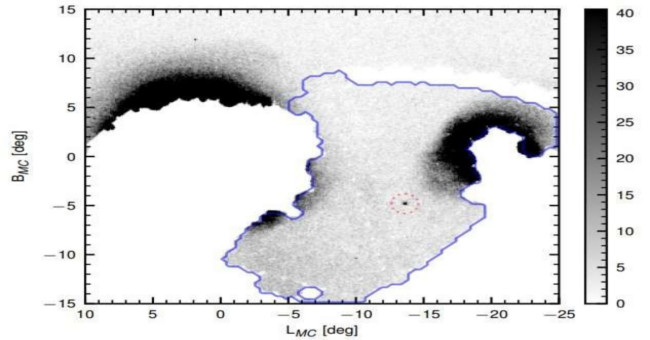
The study shows that the Hydrus 1 galaxy is elliptical and light, located about 90,000 light-years from the sun and about 78,000 light-years from the LMC Cloud.
Stars, planets, black holes will die or be ripped apart by mysterious forces, leaving the cold and dark universe without life.
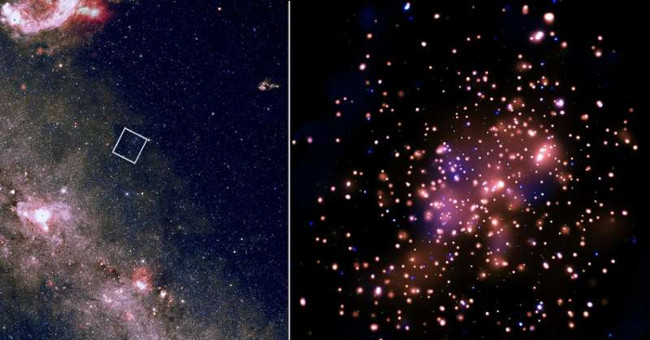
NGC 6231, located about 5,200 light years from Earth, is an ideal test to study a cluster of young stars, at a critical stage in its evolution.
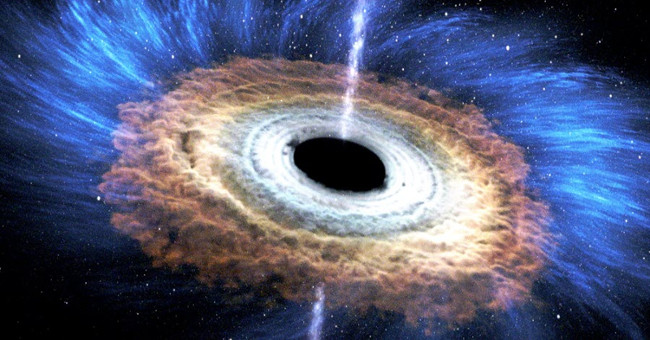
The voracious monster black hole was discovered when the team observed the cosmic area 12 billion light-years away.
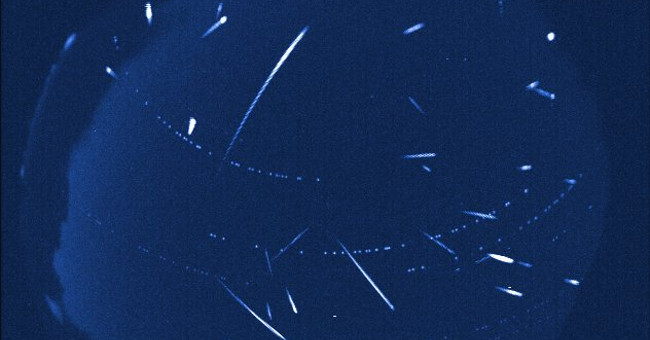
Astronomers in Vietnam will be able to fully watch the Lyrids meteor shower (also known as Thien Cam meteor shower) on April 22 and 23.
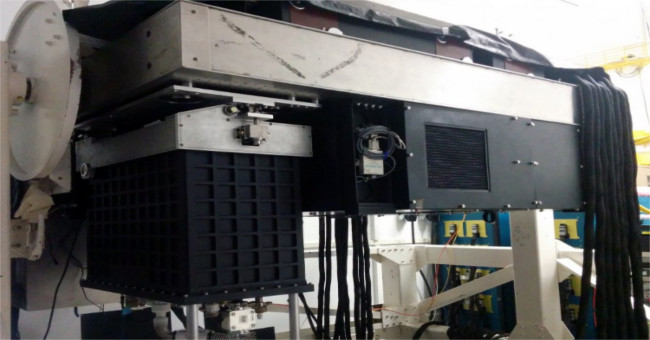
Usually Earth-like exoplanets are quite close to the host star and their photography is extremely difficult because the host star is several times brighter than these pl…
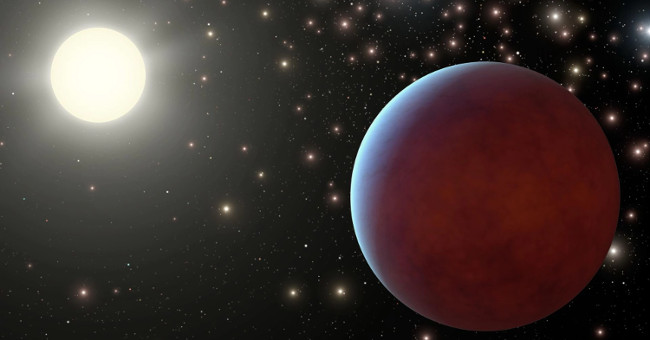
WASP-104b may be the darkest planet ever discovered. The planet of this hot Jupiter is covered by a mist that absorbs 97 - 99% of the light reaching the surface.
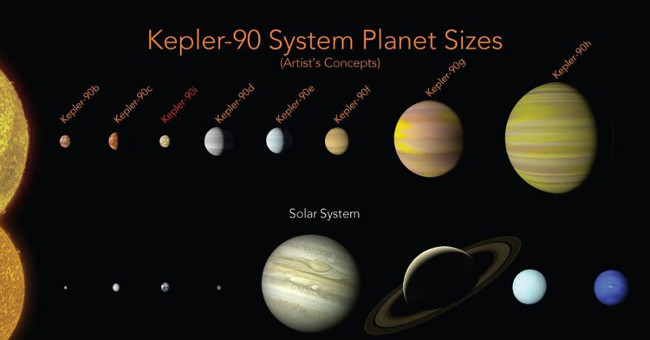
Researchers from the US aerospace agency (NASA) and technology giant Google have joined hands to teach a computer how to handle large amounts of data generated from the…