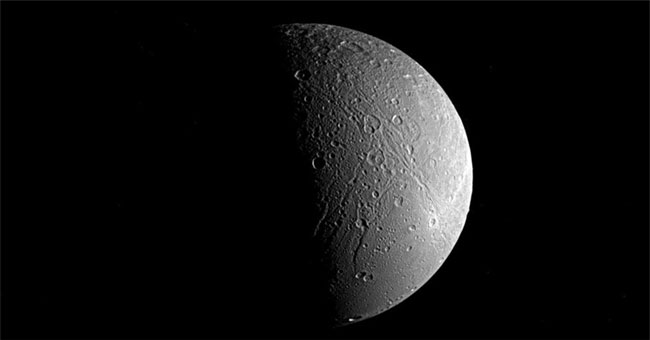
Space science
Add a Saturn moon that owns the ocean and ... oxygen
Saturn's Dione moon is one of the targets of NASA's Cassini probe
Browse ScienceInfo articles and explainers related to Star.
2,098 published items.
Saturn's Dione moon is one of the targets of NASA's Cassini probe
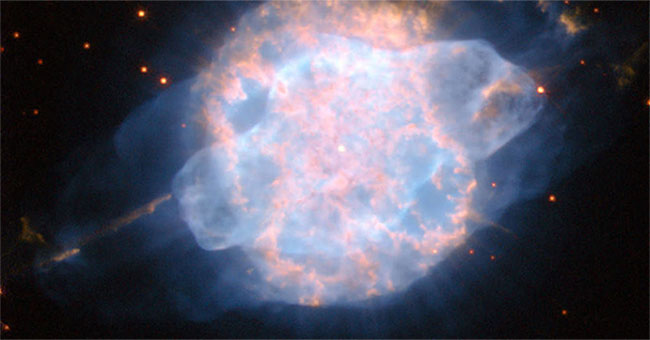
NASA has just released a picture of the NGC 3918 nebula, which has an eye shape.
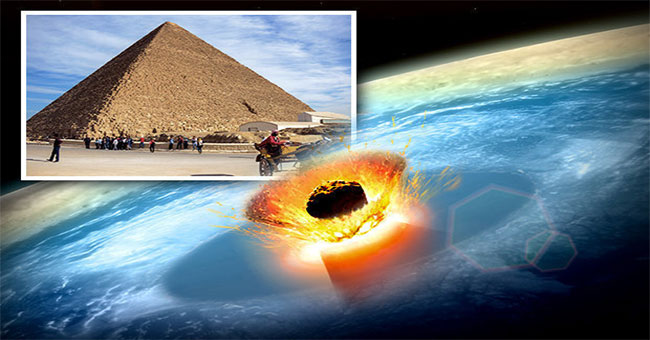
According to the Daily Star, the giant meteorite rated 'potentially dangerous' is flying towards Earth at speeds of up to 32,400km / hour, and it will approach Earth on…
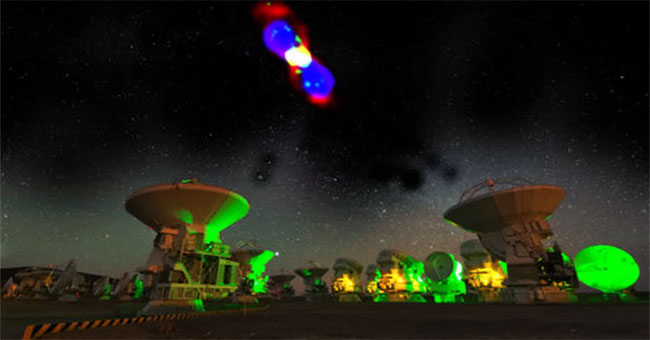
For the first time, scientists have discovered a radioactive molecule in space and it comes from an ancient stellar explosion.
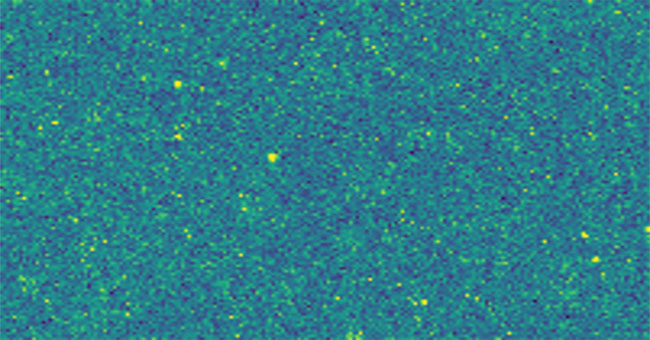
It seemed like it was just a piece of green paper with gold dust particles on it, but it wasn't that simple.

Blood moon or the longest eclipse of the century, lasting more than 5 hours with the full eclipse of about 1 hour 45 minutes, is the most anticipated astronomical phenom…
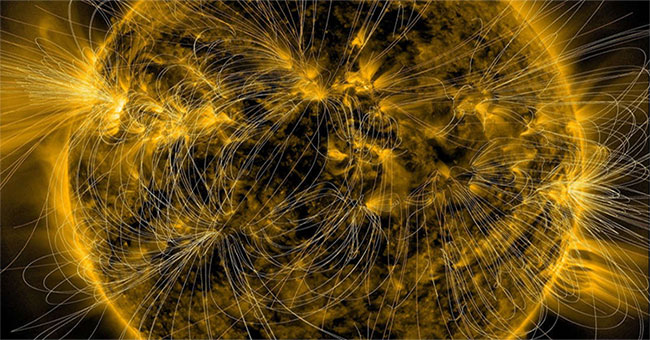
Our sun - a fireball of millions of degrees - is just a mid-level star. But even so, it is still one of the most awesome and scary entities.
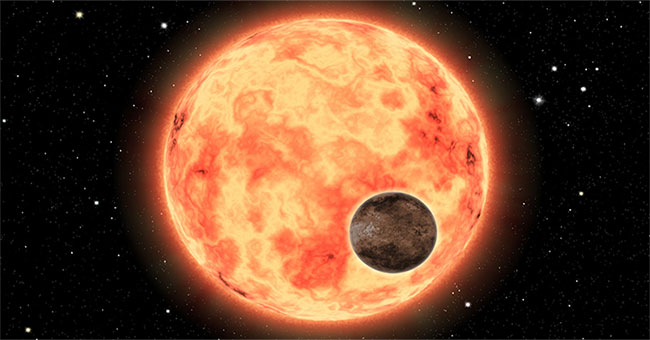
The team of scientists from the University of Florida (USA) has just published the research results on the Monthly Report section of the Royal Astronomical Society of En…

Ross 128b, the planet belongs to another solar system in the constellation Virgo, is capable of surviving better than the earth. One year on this planet is only 9.9 days.
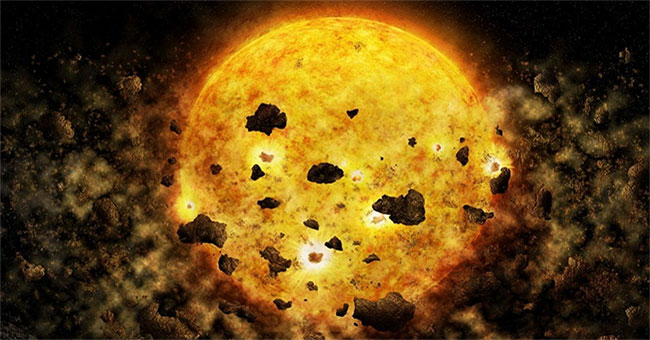
Scientists can first observe a young star
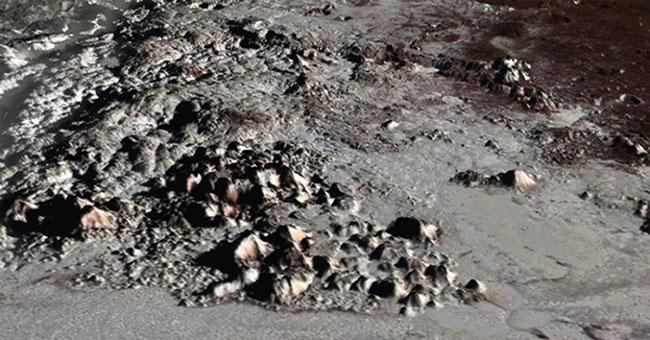
On July 12, 2018, the New Horizon spacecraft has the opportunity to inspect the surface of Pluto and publish many interesting new information.

Dr. Denilso Camargo of Colégio Militar de Porto Alegre, Brazil discovered five new globular clusters in the Milky Way galaxy, considered to contain hundreds of thousands…
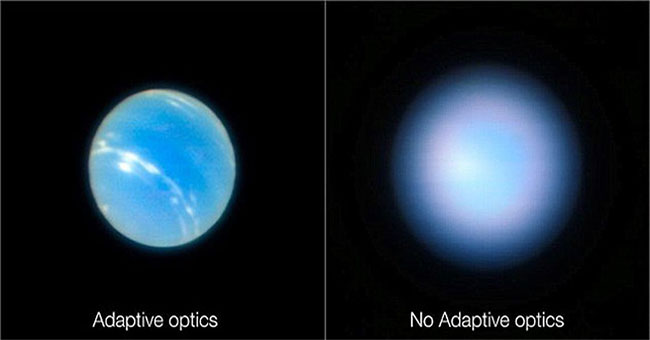
The Very Large Telescope (VLT) of the Southern European Observatory (ESO) has received the first light rays after activating the new adaptive optical mode.

The Milky Way, the galaxy that holds us and the Solar System, is a large place. It is so big that we may never get out of it. So if there is a chance, how long will we g…
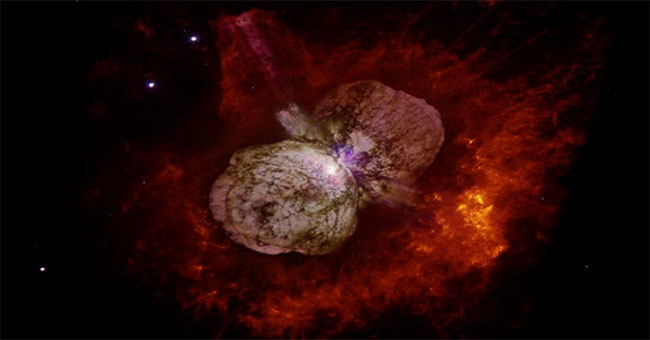
Located 7,500 light-years from Earth, the Eta Carinae star system is formed by two stars that are 90 and 30 times the mass of the Sun, extending 225 million km (140 mill…