Space science
Dark matter near the sun?
A large mass of so-called invisible dark matter may have been discovered near our sun. And this mysterious form of matter is creating a gravitational influence on dwarfs…
Browse ScienceInfo articles and explainers related to Star.
2,098 published items.
A large mass of so-called invisible dark matter may have been discovered near our sun. And this mysterious form of matter is creating a gravitational influence on dwarfs…

According to the Daily Mail, while tracking and analyzing the movement of planets through stars on Kepler-30 - a sun-like star, scientists who participated in the Kepler…
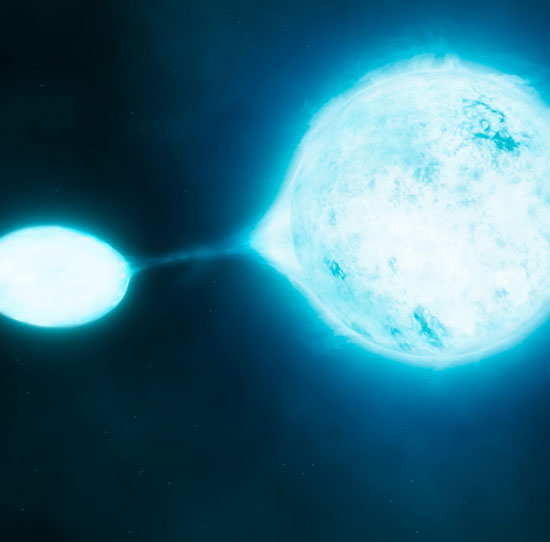
Like vampires in fantasy movies, super-big stars come close to other stars
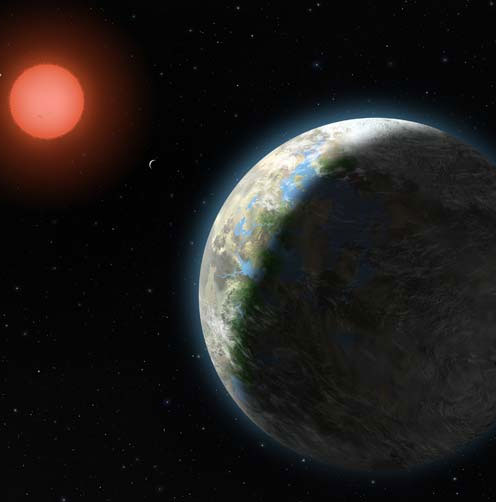
Until now, astronomers have confirmed more than 700 of the thousands of planets outside our solar system.

The results of American astronomers published in Nature on July 18 said they were surprised to find a spiral galaxy forming nearly 11 billion years ago.

Astronomers have identified four binary systems with members that exist side by side, contrary to the popular hypothesis in the scientific world.
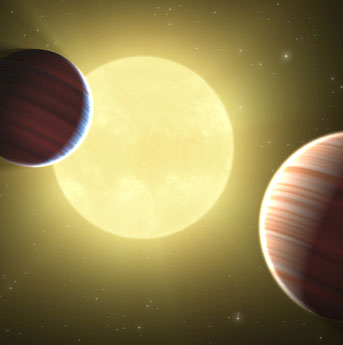
German astronomers have found a planetary system with a solar system-like distribution, with rocky planets on the inside and gas planets on the outside.
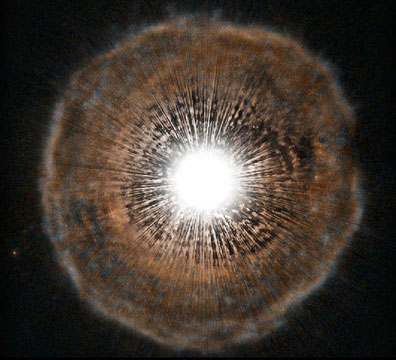
The star, known as U Camelopardis and in the constellation Camelopardalis (Giraffe), is in the final stage of life, the European Space Agency (ESA) said. Helium gas in i…
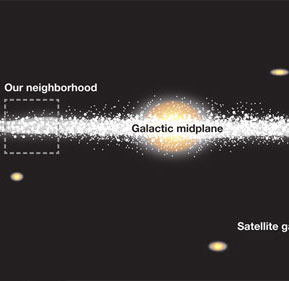
That's the conclusion of a group of Canadian and American astronomers, based on the findings that the Milky Way might have encountered a satellite galaxy or a large stru…
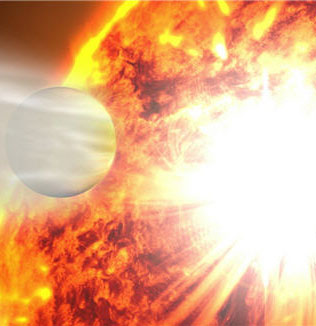
The US aerospace agency (NASA) was lucky enough to snatch a rare moment when a star about 63 light-years away gave off an intense fire to attack an alien planet. The vic…
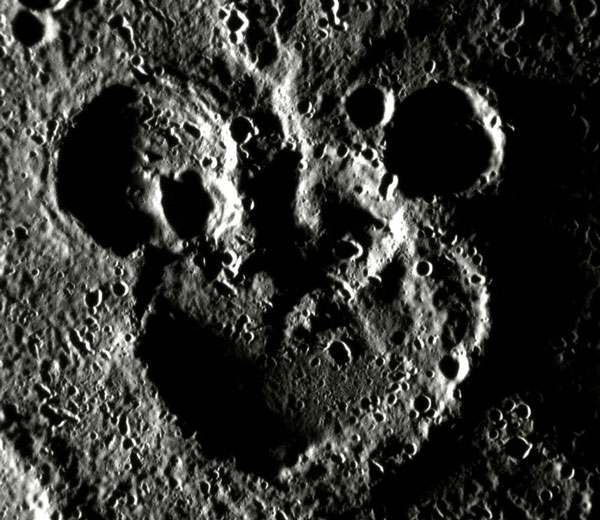
The Mercury probe of the US Aerospace Agency (NASA) has announced the discovery of a
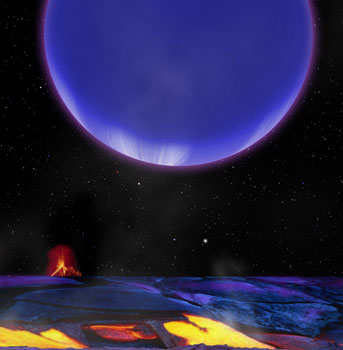
The Kepler space telescope found that the two planets moved so closely that their rotation was like a tango dance. Pair
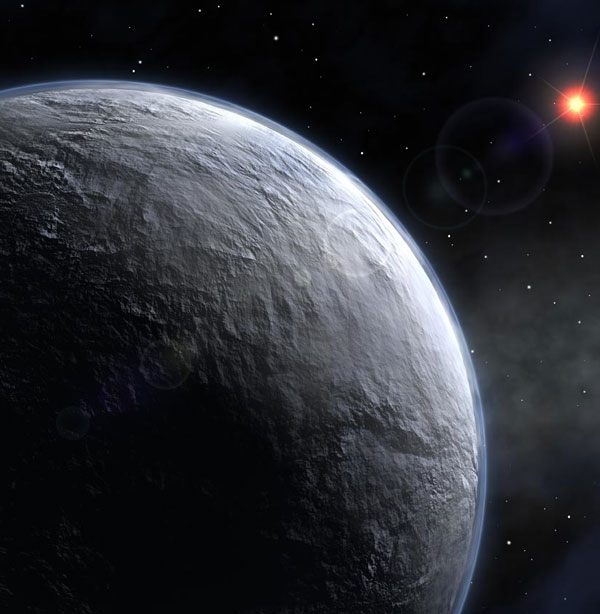
The hunt for other extraterrestrial civilizations has just been armed with new weapons, but the first military outpost did not produce satisfactory results. Astronomers…
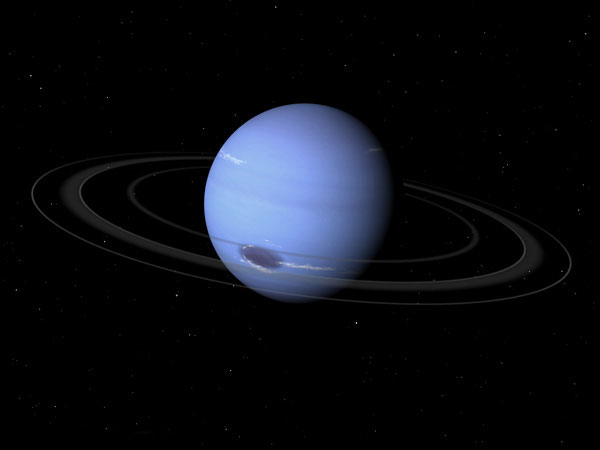
Erich Karkoschka, a scientist from the University of Arizona, USA, accurately calculated the self-motion time within a week of this giant planet is 15 hours 57 minutes 5…
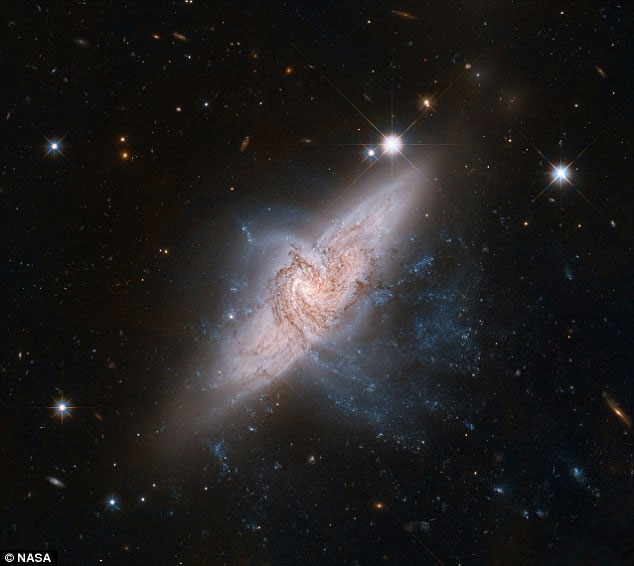
Performing the task of studying the phenomenon of light amplification when two galaxies lie in the same line, NASA's Hubble Space Telescope accidentally captured the ima…