Animal world
Regenerating extinct animals
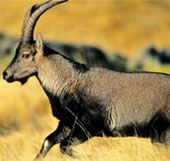
The scientific community is hoping, with the Lazarus project, many extinct animals can be reborn for research.
Browse ScienceInfo articles and explainers related to Stomach.
369 published items.
The scientific community is hoping, with the Lazarus project, many extinct animals can be reborn for research.

A group of lions are descended from emperor lions Haile Selassie-founder of the zoo in 1948, left at the Addis Ababa zoo in Ethiopia, with a very strange mane, black and…

Colorful animal world with interesting things. Nobody can claim to understand quite well about all species that exist on our planet. The results of countless studies and…
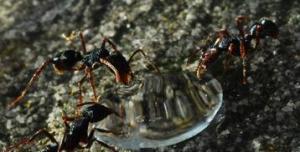
How do ant colonies deal with the nutrients in their food?
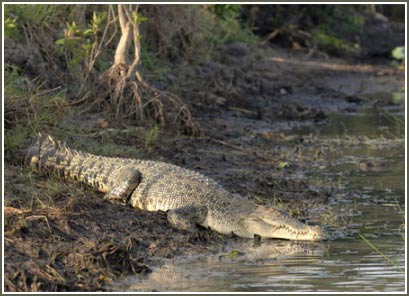
A crocodile that once threatened tourists near the Great Barrier Reef just lost its life by swallowing too many plastic bags.
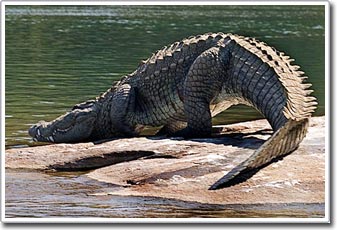
Appearing permanently on cable channels naturally, crocodiles are described as one of the most terrifying predators on earth. When the opportunity arises, crocodiles wil…
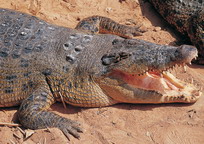
Crocodile has a sharp teeth to chew on bait. But they also mimic birds, swallowing chickens in the stomach to digest food. Why so?

The buffalo phenomenon always chews even though there is no food in the mouth that is a digestive phenomenon especially in cattle and it is called the ruminant. Unlike o…

The seat belt does not tighten above the abdomen, where the stomach is tied to the lower abdomen, especially for pregnant women.
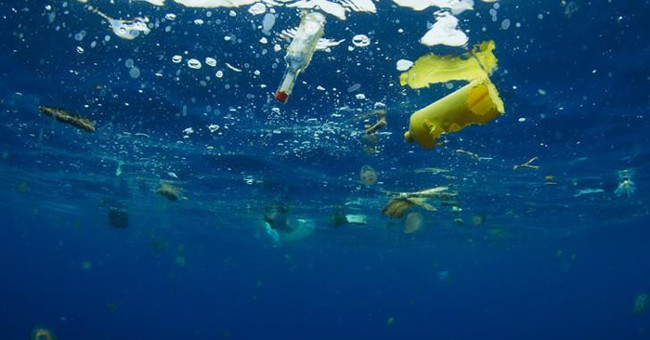
Plastics are found inside the stomach of a third of the fish caught in the UK, including those we normally consume such as lobster, clams, oysters.
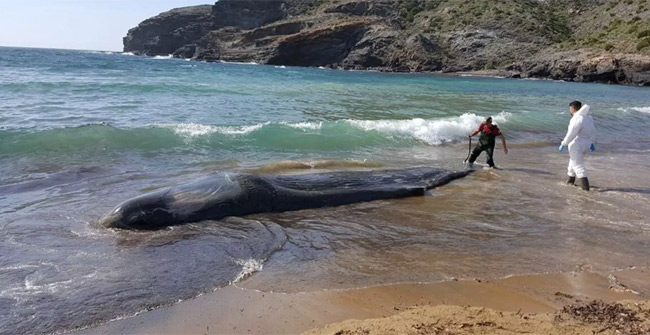
After an autopsy of a sperm whale washed up on the Spanish coast, people found nearly 30kg of plastic waste in its belly.

After the surgery, the doctor trembled near the patient saying:
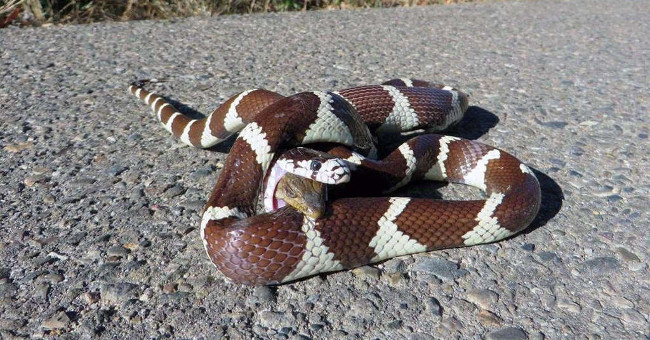
The rare sight occurs when a lizard is swallowed by a snake king and suddenly pokes his head out and bites back the predator and escapes to surprise the viewer.

For the first time in the world, through today's most advanced scanning techniques, researchers at Aarhus University ...
The stomachs of vultures containing very strong acids can kill most bacteria that cause disease and poisoning, helping them to eat rotting animal flesh.