
Medicine - Health
3 bananas a day help reduce the risk of stroke
Researchers have recently demonstrated that eating three bananas a day at breakfast, lunch, and dinner can help reduce the risk of stroke.
Browse ScienceInfo articles and explainers related to Stroke.
254 published items.
Researchers have recently demonstrated that eating three bananas a day at breakfast, lunch, and dinner can help reduce the risk of stroke.

Hibernate bears are one of the strange things of nature. They can sleep for months without eating, even the female bears maintain the fetus during this process.

Even if you drink soda in moderation instead of sugar, you still have a higher risk of vascular diseases than people who don't drink.

American scientists on Feb. 9 said that animal studies show that a new drug made from the chemical ingredient in turmeric may help reproduce brain cells after stroke.

Scientists have discovered that some painkillers used to treat swelling such as Celebrex and Advil can increase the risk of heart attack, stroke or even death.

American research shows that although eating fish may lower the risk of stroke, frequent eating of fried fish increases the risk of stroke.

Scientists at Glasgow University and ReNeuron Group have had clinical trials in treating stroke with stem cell therapy.

US scientists say limiting salty intake when young is an increase in growth will reduce the risk of cardiovascular disease and stroke.
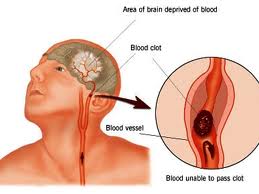
Magnetic resonance imaging will quickly help patients who are treated for ischemic stroke, which may be due to the appearance of blood clots right in the brain artery.
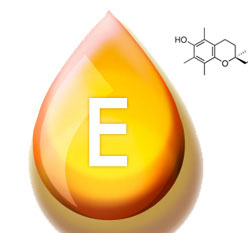
Scientists have worked with nearly 120,000 people, half of whom are supplemented with pure vitamin E. Research shows vitamin E ...
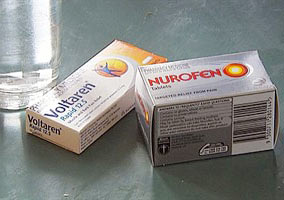
Voltaren, one of Australia's best-selling painkillers, is at risk of being banned from circulation after a new study shows that the drug increases the risk of stroke in…
According to a study, published in The Lancet, British scientists discovered that carotid enlargement surgery to enhance blood flow to the brain.

According to a recent study by US scientists, regular sleep less than or more than 7 hours a day is closely related to the increased risk of cardiovascular disease.
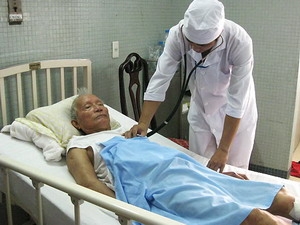
According to new research results, B vitamins are safe but have no protective effect on people who have had a heart attack.

People with cerebral arterial stroke stroke have a very high risk of death, up to 90%, or leave severe sequelae such as paralysis, distortion ... if not treated promptly.