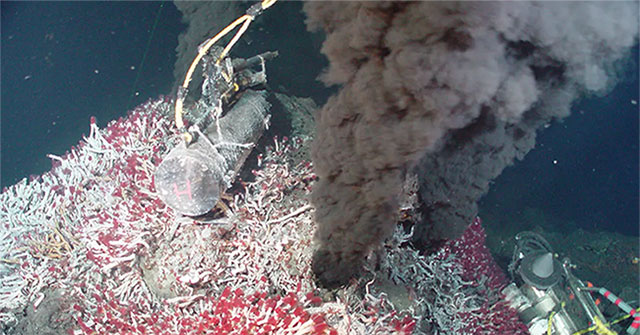
Discover science
The earth is gradually drying up because it is swallowing the ocean itself
The earth's deep water cycle is unbalanced and this is more or less related to Pangea, a dead supercontinent.
Browse ScienceInfo articles and explainers related to Supercontinent.
37 published items.
The earth's deep water cycle is unbalanced and this is more or less related to Pangea, a dead supercontinent.
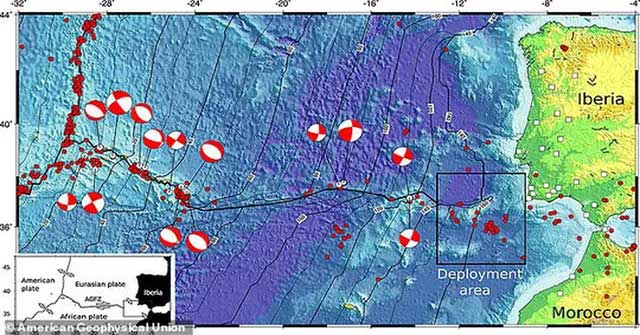
Off the coast of Portugal, the earth's crust may be peeling, splitting into two, a phenomenon never seen before.

During the past 3,000 years, an area in Antarctica is home to 1.5 million Adélie penguins that humans do not know.
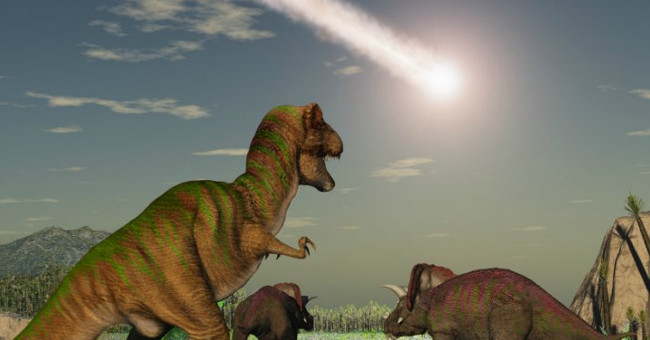
Recently scientists from the University of Reading (UK) have rejected the hypothesis if no meteorite falls on Earth, dinosaurs will continue to proliferate.
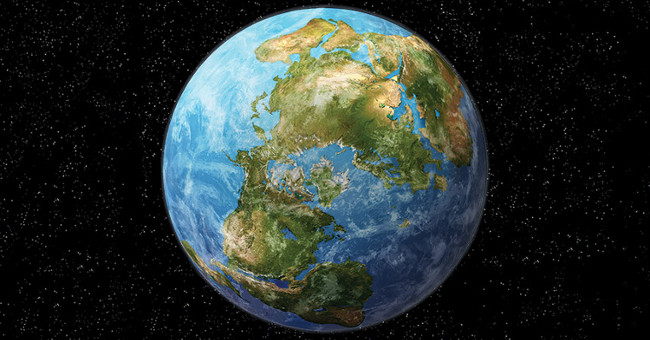
Scientists predict America and Asia will merge into the new supercontinent named Amasia after 250 million years.
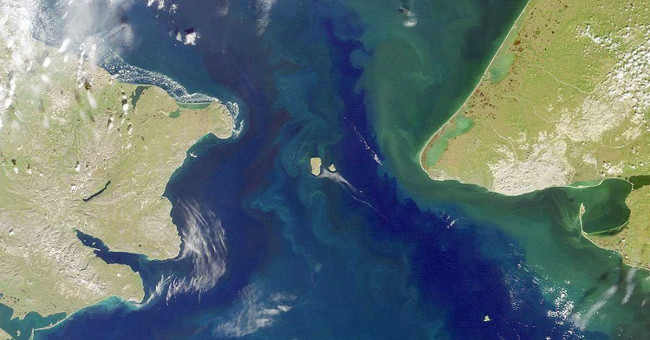
Russian scientists predict Russia's Siberia region along with Japan and North America will merge into supercontinent after 250 million years.
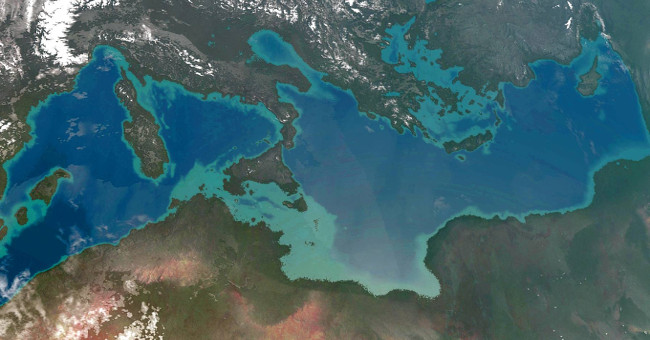
A German architect put forward an ambitious plan to annex Europe and Africa to a supercontinent by absorbing Mediterranean waters and building dams.

200 million years after the supercontinent Pangea decayed into plaques, the Earth formed 7 continents today.
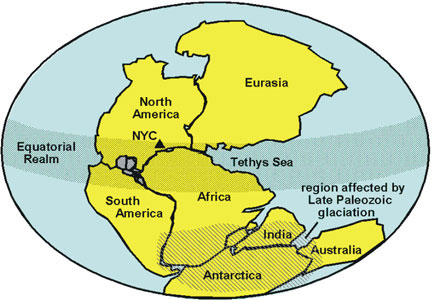
The ancestors of cypress trees were once grown on Pangea supercontinent, and witnessed the disintegration of this continent to become the continental system as they are…
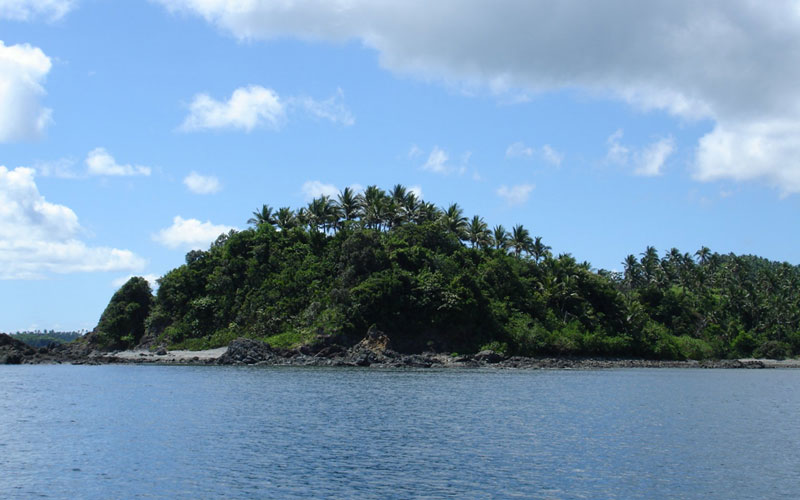
Researchers from the University of Sydney, Macquarie University and University of Tasmania, Australia, led a group of international researchers who discovered two sunken…
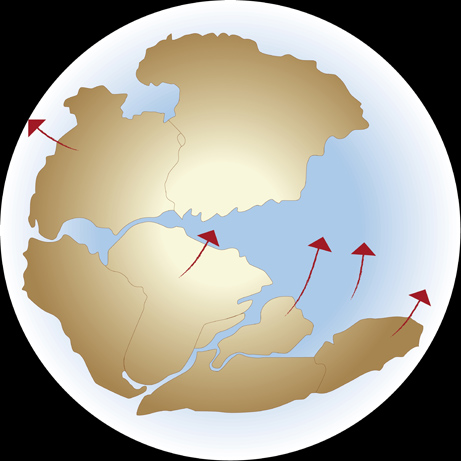
Perhaps the supercontinents were formed when a hot rock stream erupted from deep within the earth between the continents, pushing them apart until all the land on the ea…

More than a century ago, German scientist Alfred Wegener (1880-1930) proposed the idea of an ancient supercontinent after combining some evidence together.
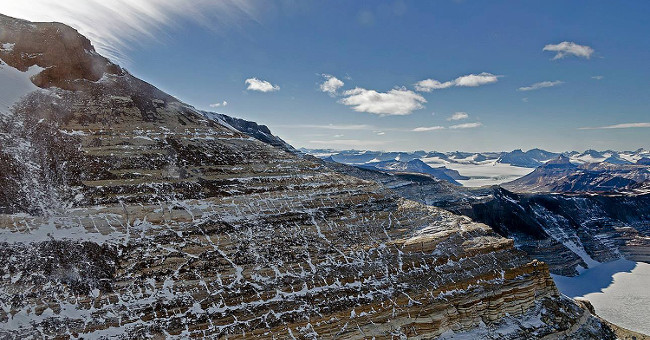
Traces of prehistoric Antarctic forests can help scientists understand more about the Permian extinction event - Triassic.
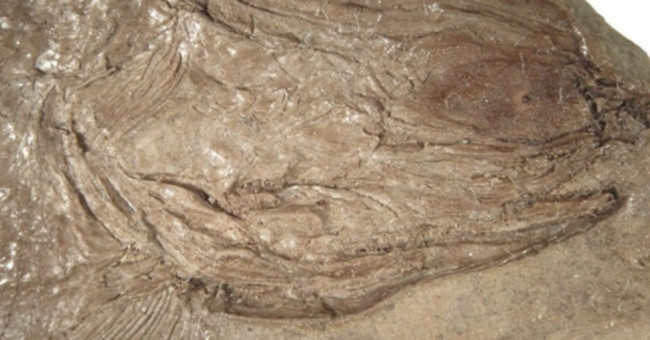
The report of the Argentine Scientific and Technical Research Council (CONICET) announced on October 9 that the fossil was found in the eastern province of Mendoza.

About 115 million years ago, on the ancient supercontinent Gondwana, a small mushroom fell into the river and was swept into a saltwater lagoon, where it was buried in s…