Archeology
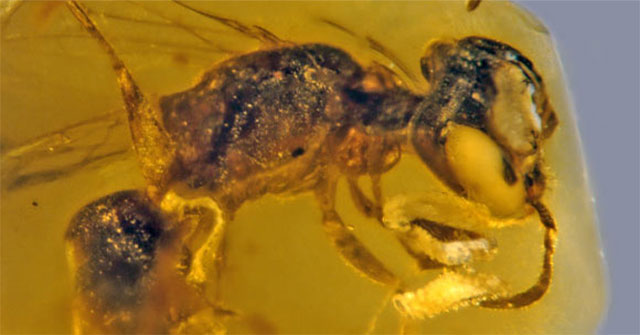
Many pet creatures are 'living fossils' from lost supercontinents
Scientists have discovered the shocking origin of creatures that are both found in nature and farmed by humans around the world: They are
Browse ScienceInfo articles and explainers related to Supercontinent.
37 published items.
Scientists have discovered the shocking origin of creatures that are both found in nature and farmed by humans around the world: They are
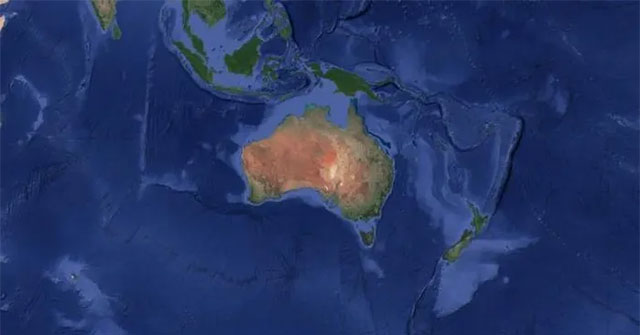
It took scientists 375 years to discover the world's eighth continent.
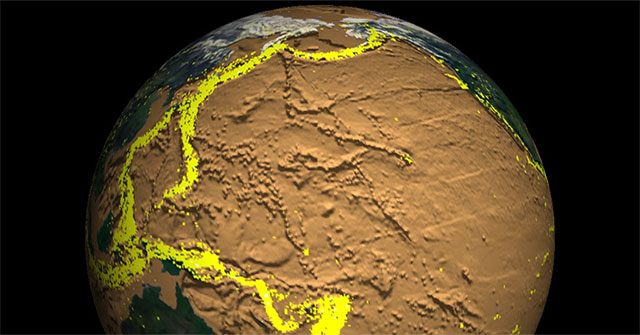
Several continents on Earth show signs of tearing apart. This has happened many times in the past, accompanied by raining diamonds - quite literally.

Scientists predict that in 250 million years, Earth will have a new supercontinent. But what will it look like?

As the Earth's two major tectonic plates collide, it is likely that the Mediterranean Sea will be wiped off the map in the future.
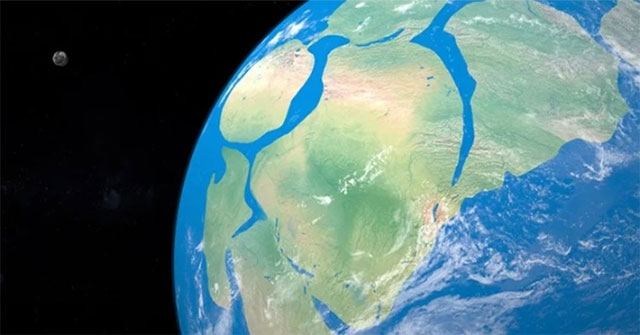
The Earth's mantle was split into two regions, the African region and the Pacific region, when the supercontinent Pangaea broke apart.

Pangea Ultima is a supercontinental structure of the future world, which may occur within the next 100 million to 200 million years.
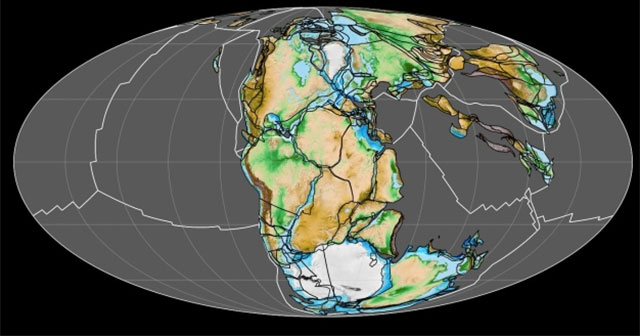
Heat from radiation processes taking place inside the Earth causes the tectonic plates above to move, gather or separate from each other.
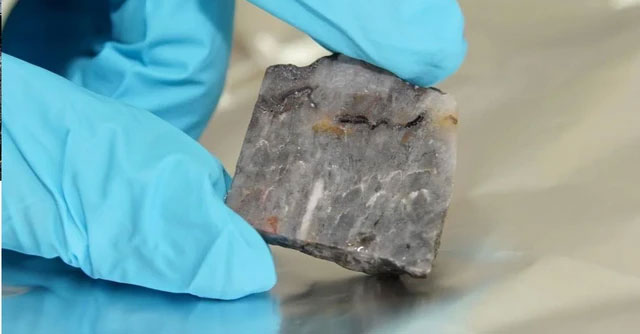
The mysterious world 3.5 billion years ago with the most primitive living creatures on the planet on a lost supercontinent has just been discovered.
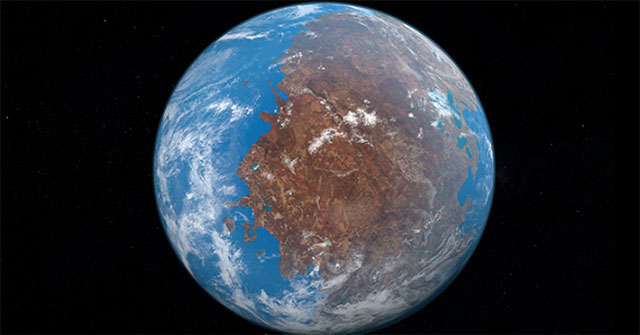
Earth once recorded a 'super ocean' with an area covering 70% of the Earth's surface, surrounding the ancient giant continent.
Life on Earth might not have evolved to advanced species like us if it weren't for the appearance of 2

Scientists have discovered a stunning collection of fossil feathers revealing how some dinosaurs kept warm during the ancient Gondwana supercontinent in the southern hem…
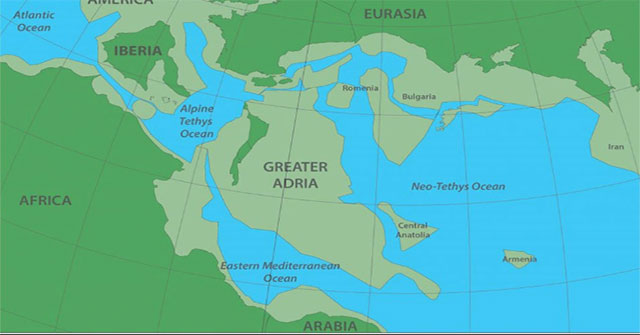
The mysterious continent has a name
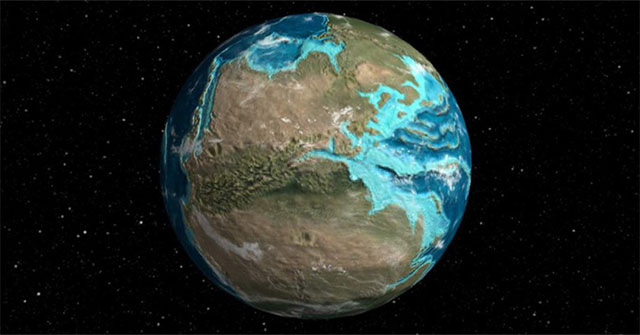
The continents of the earth have many times carved in - out. And yet another import to create the hypothetical supercontinent Pangea Proxima seems to be starting.
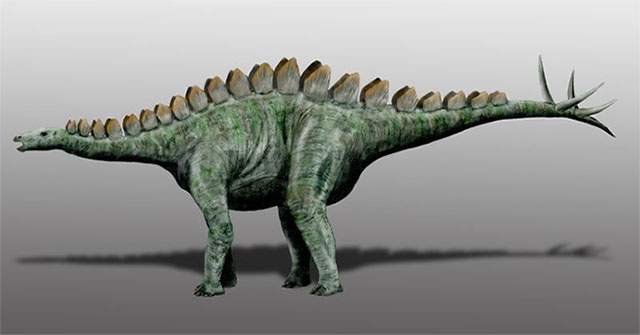
In the age of the Stegizards dinosaur group, the world was divided into two supercontinent: Laurasia and Gondwana.