Space science
NASA catches 'interdimensional' signal from world 12.8 billion years ago
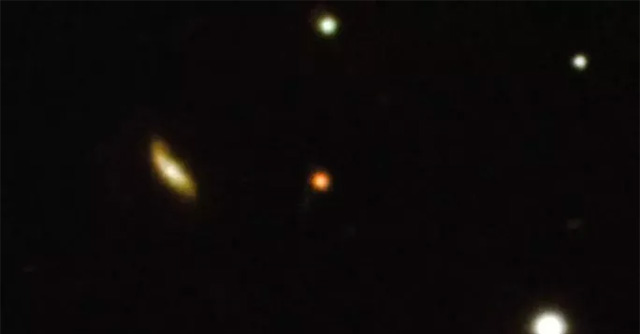
NASA's Nel Gehrels Swift Observatory has picked up an incredible signal from a mysterious world in the early universe.
Browse ScienceInfo articles and explainers related to Swift.
40 published items.
NASA's Nel Gehrels Swift Observatory has picked up an incredible signal from a mysterious world in the early universe.
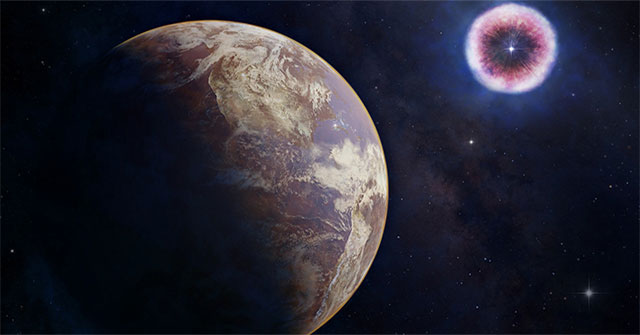
Many other planets 160 light years away are not as lucky as Earth, being hit by similar objects.
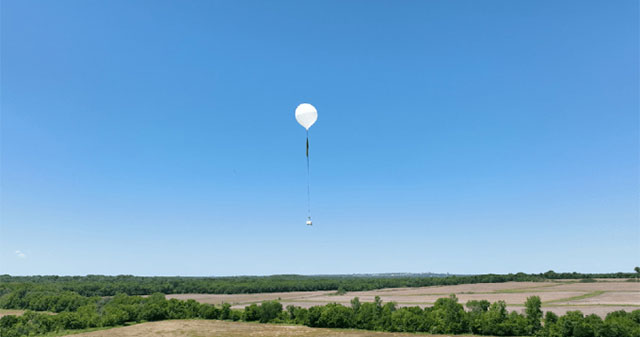
The Swift network consists of ultra-high-resolution robotic cameras that fly into the air via balloons and continuously monitor weather conditions.

Launched in 1998, the Google Search search engine celebrated its 25th birthday with a video summarizing the things users searched for most during this time.
With over 10 Grammy Awards, 30 AMA Awards and 2 Brit Awards, Taylor Swift is no stranger to the scene of walking on stage to receive awards.

SWIFT stands for Society for Worldwide Interbank Financial Telecommunication.

NASA astronomers discovered a very young and powerful neutron star, about 16,000 light-years from Earth.
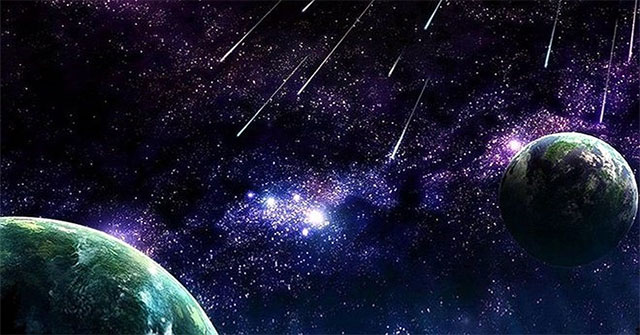
Derived from comet remnant Swift-Tutle, meteor shower Perseids takes place from July 17 to August 24 every year, reaching a maximum on the night of 12th and 12th August.
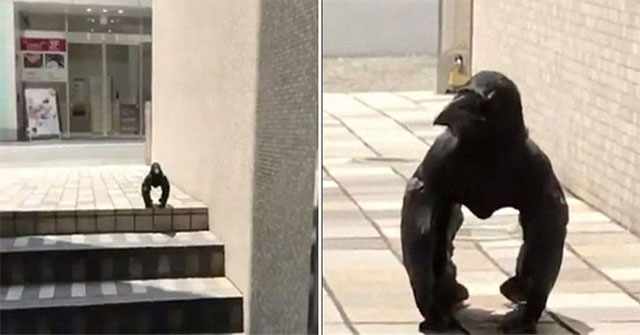
The video spread quickly on the web posted by Twitter users keita_simpson, gaining nearly 9 million views.
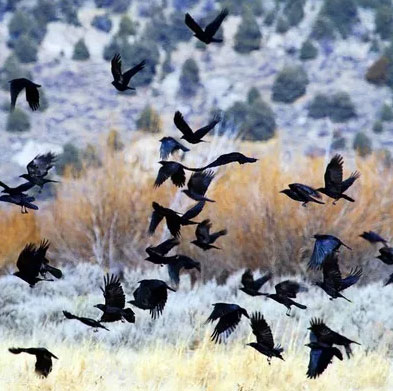
The crow has a collective behavior that cries and mourns, but no one has explained this.
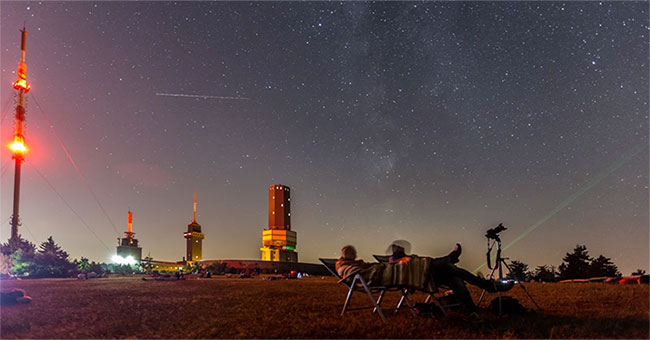
Vietnamese people will have a chance to watch meteor shower peak at dawn on August 13, with about 100 streaks every hour.

Swift-Tuttle comet can create the worst genocide disaster on Earth after a collision took place over 2,000 years, Forbes on 11/8 reported.
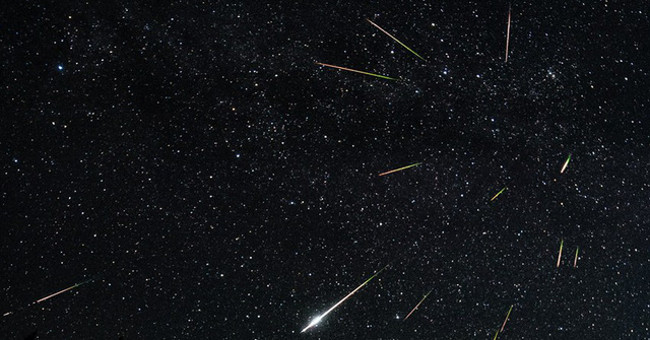
Perseids, one of the two biggest meteor showers in the year, reached 200 streaks / hour about to happen and this phenomenon can be observed in Vietnam.
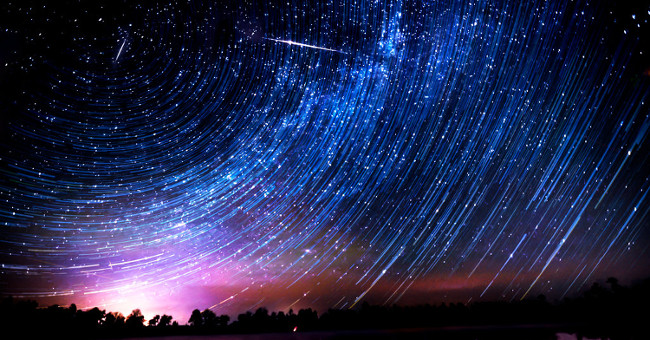
Night 12 dawn on August 13, Vietnamese astronomers will have the opportunity to admire the Perseid meteor shower, one of the two biggest meteor showers of the year.
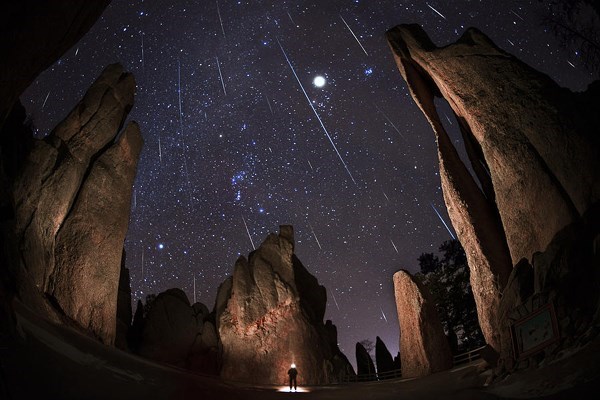
Vietnamese astronomers will admire the Perseus meteor shower - one of the two largest meteor showers of the year on the night of the 12th, dawn on August 13.