Space science
Why should watch Perseids meteor shower tonight?
The annual Perseids meteor shower event is always one of the most remarkable astronomical events of the year. Because this is one of the two largest and brightest stars…
Browse ScienceInfo articles and explainers related to Swift.
40 published items.
The annual Perseids meteor shower event is always one of the most remarkable astronomical events of the year. Because this is one of the two largest and brightest stars…
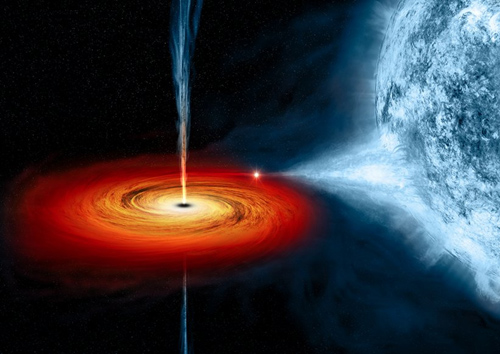
On June 15, astronauts obtained a stream of X-rays emitted by the black hole that seemed to indicate that the black hole had
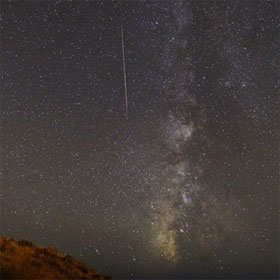
On the night of August 12-13, astronomers will have the opportunity to admire the largest meteor shower in the year with a density of 60-100 streaks per hour.

The star is a red dwarf star. It rotates around the cosmic black hole MAXI J1659-152 (which is three times the weight of our sun). This star is only one-fifth the weight…
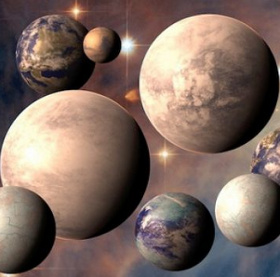
American astronomers predict the Milky Way is home to at least 100 billion stars and 100 billion planets.
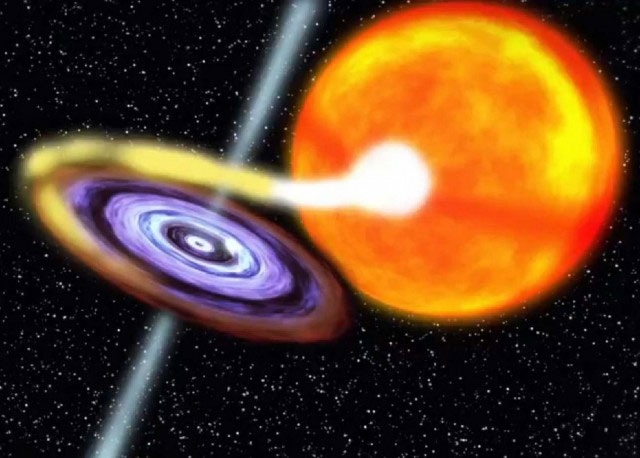
NASA said the Swift satellite had captured X-ray beams from a place near the center of the Milky Way, evidence that the existence of a previously unknown black hole.
In this August, the most remarkable astronomical phenomenon is the Perseids meteor shower - one of the biggest meteor showers of the year with a peak that will take plac…
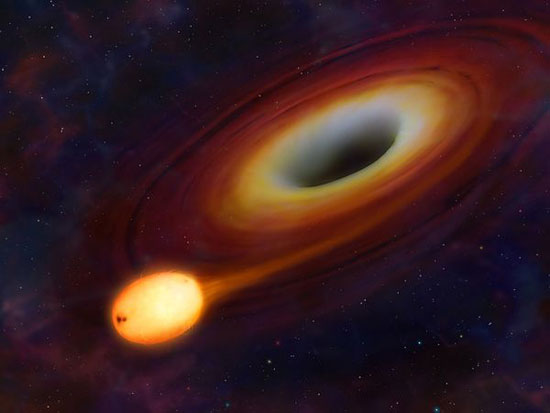
For the first time, American astronomers witnessed in space space a phenomenon that occurred when a primitive star approached a giant den and was smashed to pieces by a…
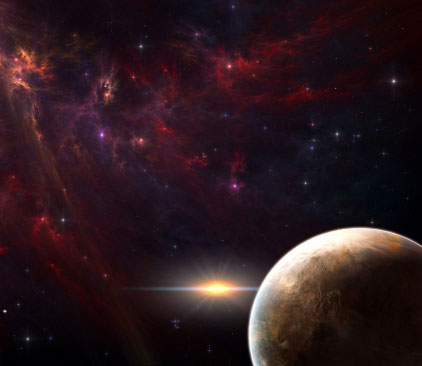
Astronomers saw such a strange explosion in the universe that they did not even know what to name in accordance with the nature of the explosion.
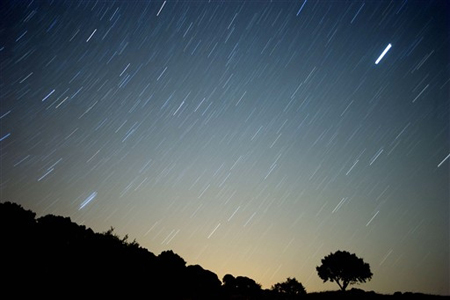
British Fairy Meteor (Perseid) rushes into the earth's atmosphere at a speed of 60 km / sec and is heated to thousands of degrees Celsius.
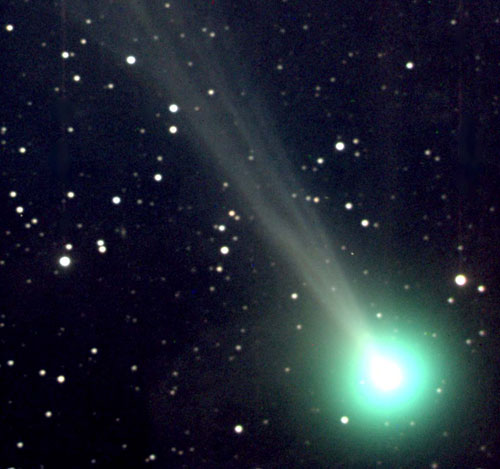
According to IMO's forecast - The International Meteorological Organization - the peak of the Perseids meteor shower this year is on the morning of August 13.
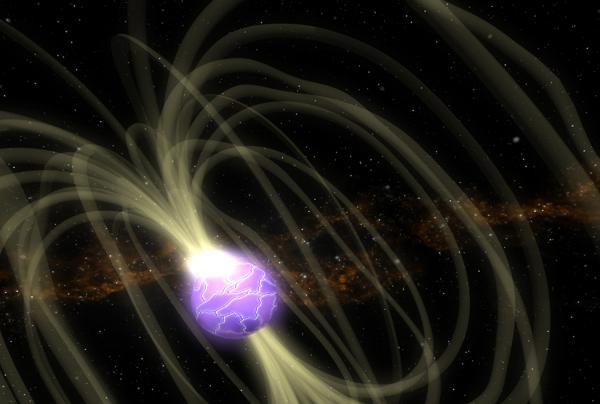
According to NASA's Swift satellite, many radioactive streams are emitted from a rare object, which is known as a short gamma radio station (SGR soft gamma).

International astronomers have just taken the most distant object image ever seen in the universe - 13 billion light-years from Earth.
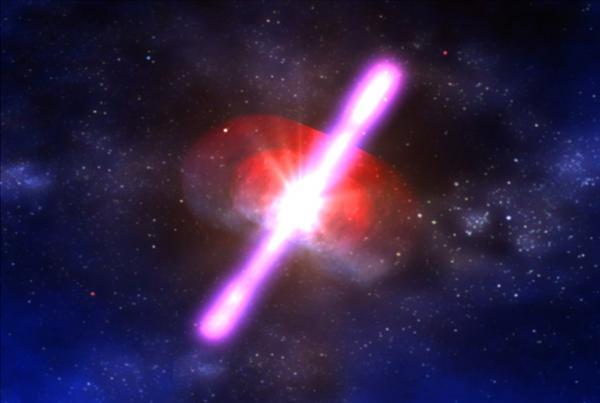
UK astronomers using the Swift NASA telescope have recently recorded information about the early stages of a gamma-ray burst.
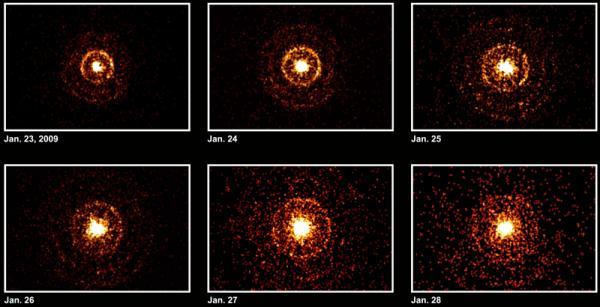
Astronomers use NASA's Swift satellite and Fermi Gamma Ray Space Telescope to observe explosions from the rest of a star 30,000 light-years away.