
Space science
Future vision of the solar system
The ruins of the two planets following the dying central star, 3,900 light-years ago, provide the clearest view for astronomers about the future of the solar system in a…
Browse ScienceInfo articles and explainers related to System.
5,630 published items.
The ruins of the two planets following the dying central star, 3,900 light-years ago, provide the clearest view for astronomers about the future of the solar system in a…
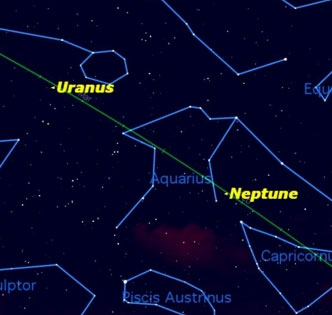
5 am on December 22 (VN time), a very rare spectacle of the universe has taken place: Venus and Jupiter glow in the sky, while Neptune and Neptune star in the sky. middl…

Xinhua announced that a self-developed Chinese navigation satellite system has provided limited positioning services, including navigation and positioning, on December 2…
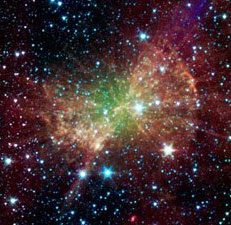
Astronomer Bill Snyder photographed the Dumbbell nebula, a cloud of dust of a star, showing us the prospect of our solar system's apocalypse.
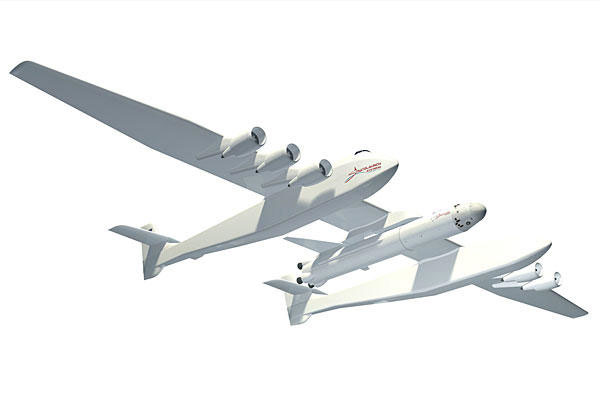
In the near future, spacecraft-carrying missiles will be launched from the air instead of from the ground today.
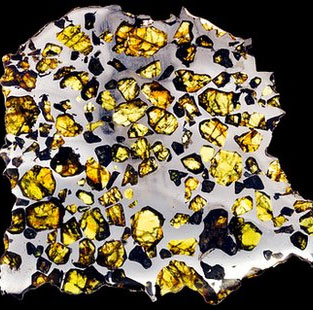
Today, astronomers have shown us that the earth is just one of the vast number of planets that can have life. Biologists have revealed to us how life on earth originated.
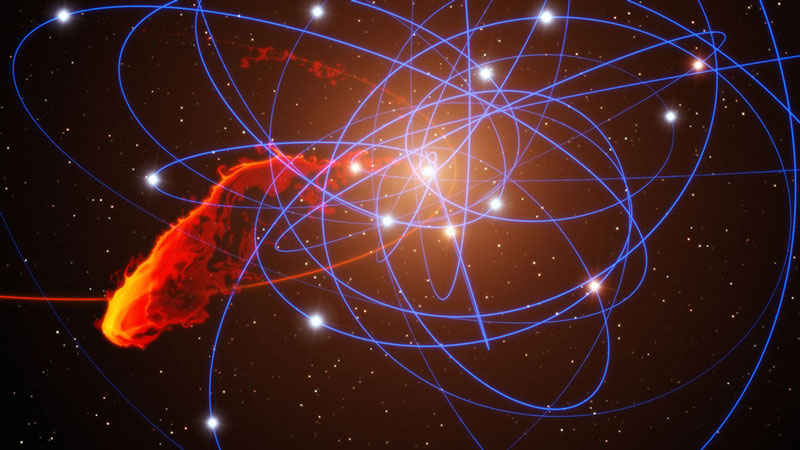
Scientists hope to see super black holes in our galaxy soon
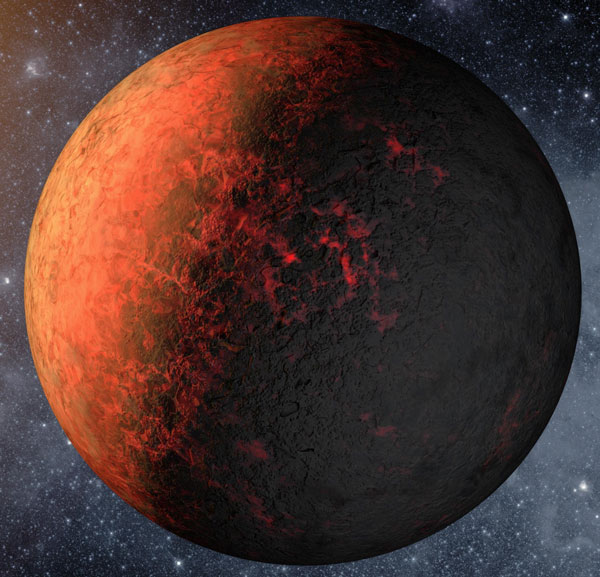
NASA's Kepler Space Telescope discovered the first two large Earth-like planets, orbiting a star like the sun outside the solar system. This is an important milestone in…
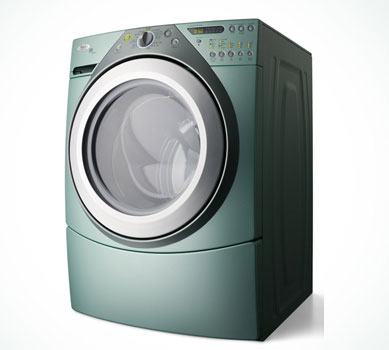
One problem with astronauts is that they have to work on international space stations for months, but clothes only carry a few sets and there is no way to wash them.
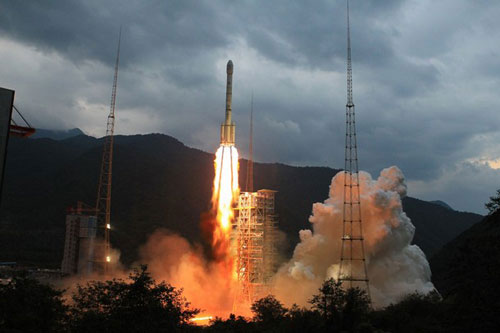
China on this morning (December 2) successfully launched the 10th positioning satellite into space, completing one third of the way to build its own global positioning s…

According to the Xinhua News Agency, on December 2, China successfully launched its 10th satellite belonging to the country's own global navigation and navigation system.

American astronomers have discovered 18 new planets of the same size as Jupiter. They turn around stars larger than the sun.
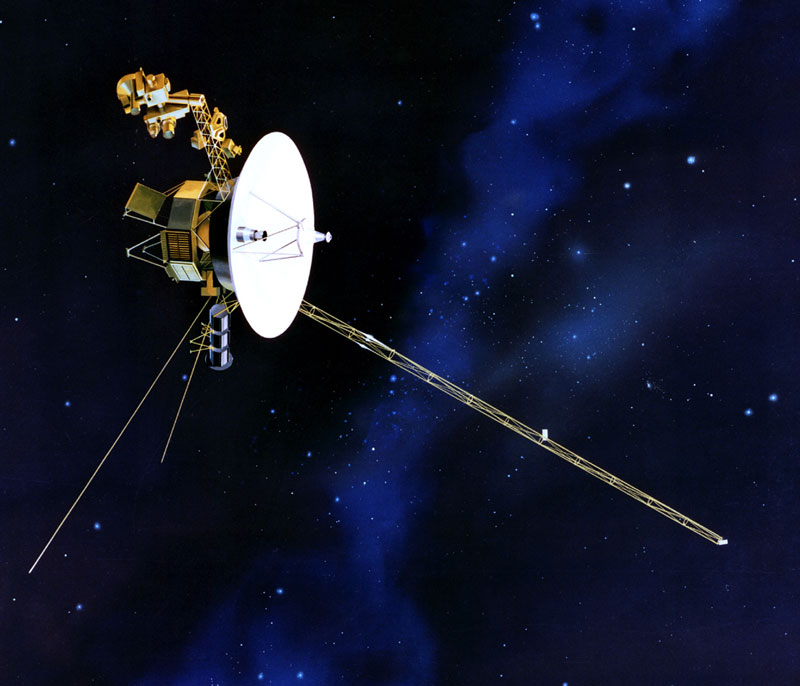
Voyager 1 was launched by the US Aerospace Agency (NASA) in 1977 with Voyager 2 to explore the stars Thien Vuong, Hai Vuong, Moc and Tho.
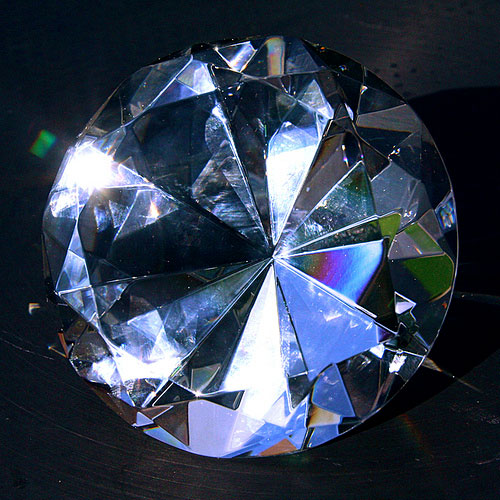
The researchers created the same temperature and pressure as the earth's crust to study how the diamond was made.
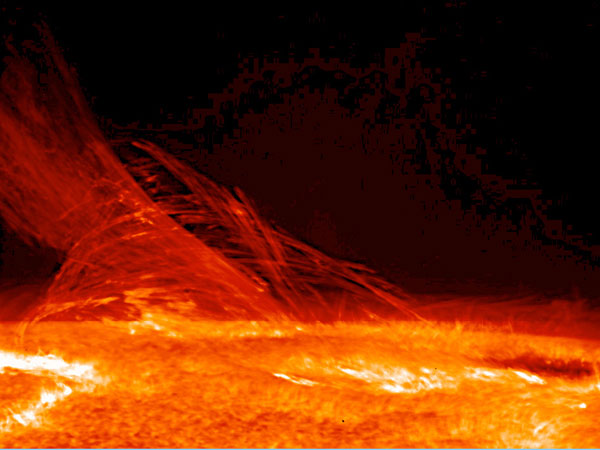
A group of physical scientists has proposed a completely new, ambitious and daring plan for artificially cooling the Earth.