Scientific works
The telescope finds out the first moment of the universe
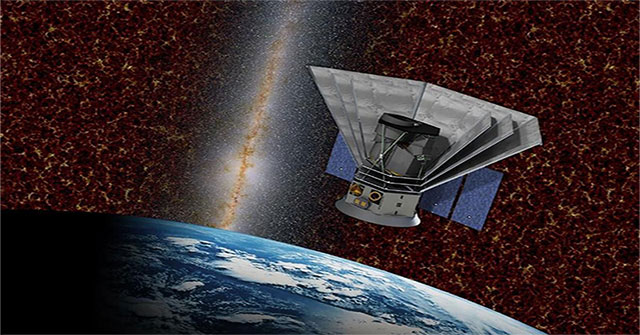
The US Aeronautics Agency (NASA) unveiled a new telescope that can answer questions about the universe's greatest mystery.
Browse ScienceInfo articles and explainers related to Telescope.
1,099 published items.
The US Aeronautics Agency (NASA) unveiled a new telescope that can answer questions about the universe's greatest mystery.
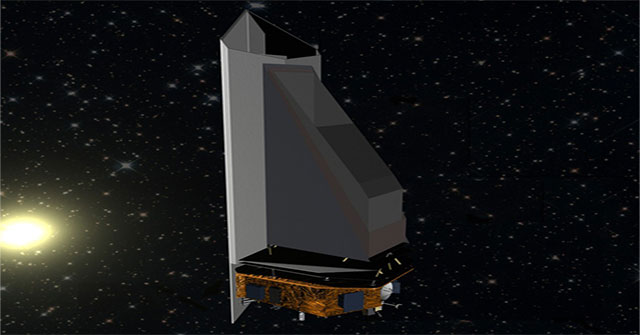
We are better than the dinosaur in the telescope.

Katie Bouman participated in developing the algorithm used for Event Horizon Telescope, which captured the first image of the cosmic black hole.
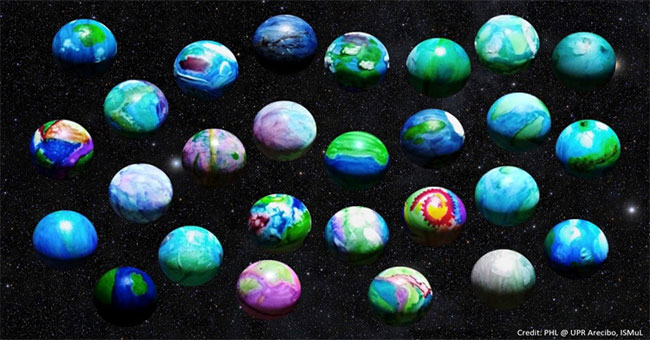
Accordingly, NASA's Hubble telescope has the opportunity to observe space, suddenly discovering a strange astronomical system.
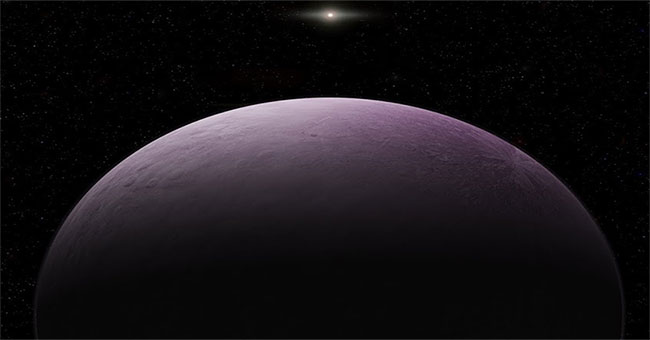
Astronomers announced the discovery of the farthest object in the solar system thanks to a telescope located in Mauna Kea, Hawaii, on December 17, according to Mashable.
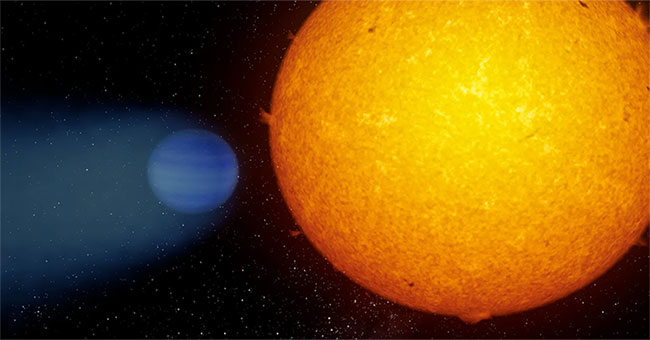
Researchers use the CARMENES device on a telescope in Spain's Calar Alto Observatory to determine a total of five helium-bearing exoplanets.
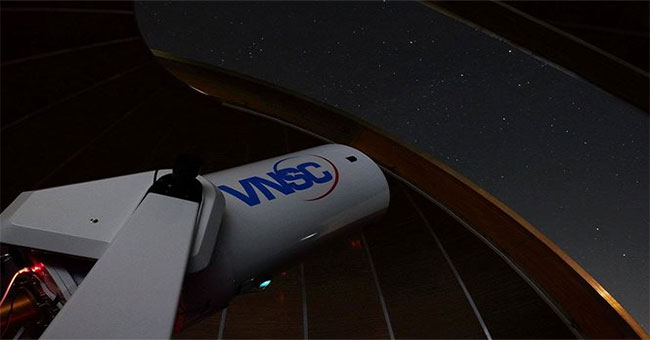
The Hanoi Observatory has completed the test, will be put into operation in the coming time with many interesting items such as 0.5 meter diameter telescope, space proje…
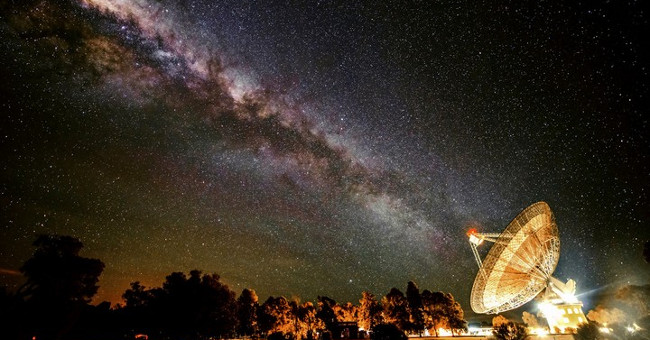
Has been started since 2015 but until now, the Breakthrough Listen Initiative project has been officially tested for the first time.
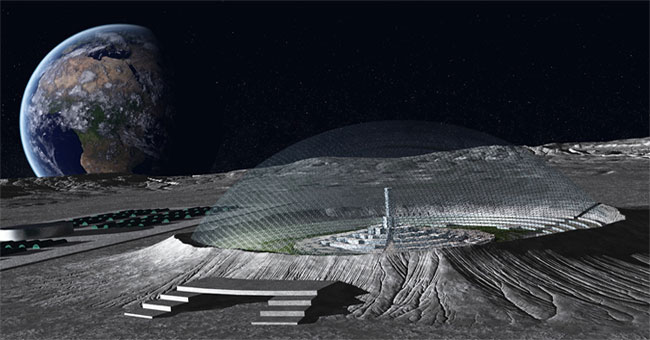
China is focusing on developing space science, including building and putting the world's largest radio telescope into operation, according to Newsweek.
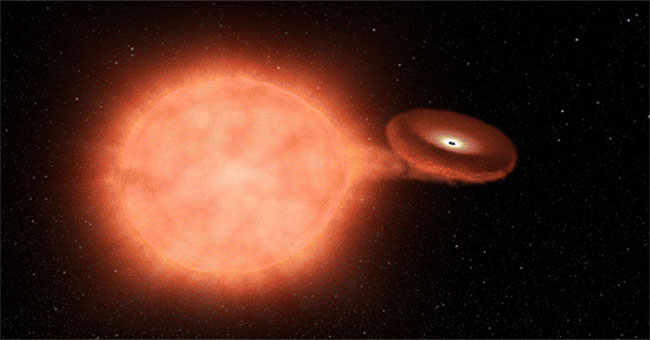
A multinational research team has just caught the moment when there is a white dwarf

If you wander into buildings, you may be overwhelmed by towering cranes or huge material trucks, but they're not the biggest machines.

If the microscope has a very large magnification that allows us to see extremely small atoms, the telescope helps us see objects that are light years away from the unive…
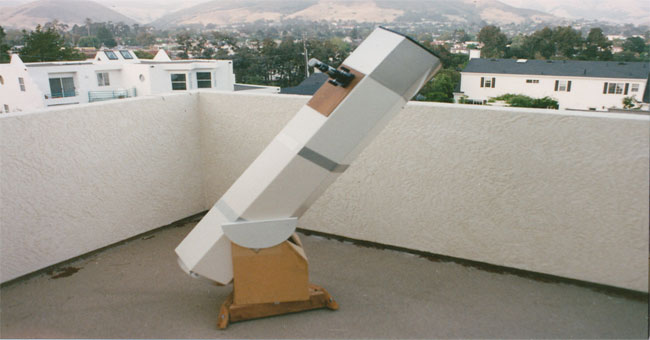
With just a few simple tools, you can make mini telescopes and watch real moon stars every day!

Surely you will be surprised to know the great inventions of mankind: modern medicine, gunpowder, telescopes ... come from the idea of partiality.
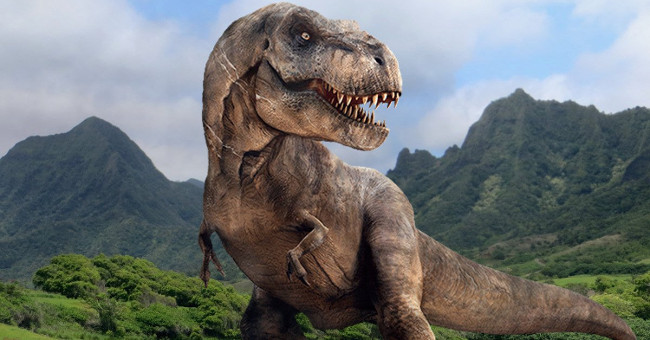
The light reflected off Earth 65 million years ago is now 65 million light-years away, and an extraterrestrial civilization with a powerful telescope can see dinosaurs.