Space science
The moment when the beautiful universe was discovered
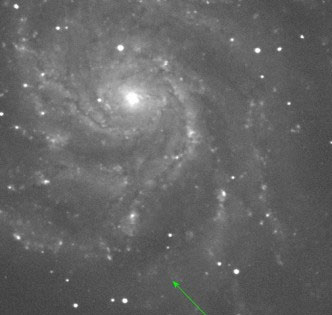
On August 25, a supernova was discovered, about 21 million light-years from Earth, closer to any supernova ever.
Browse ScienceInfo articles and explainers related to Telescope.
1,099 published items.
On August 25, a supernova was discovered, about 21 million light-years from Earth, closer to any supernova ever.
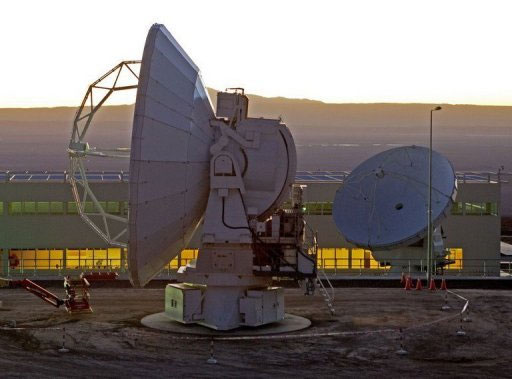
The world's largest radio telescope network is ready to operate phase 1 in the Atacama desert in northern Chile.
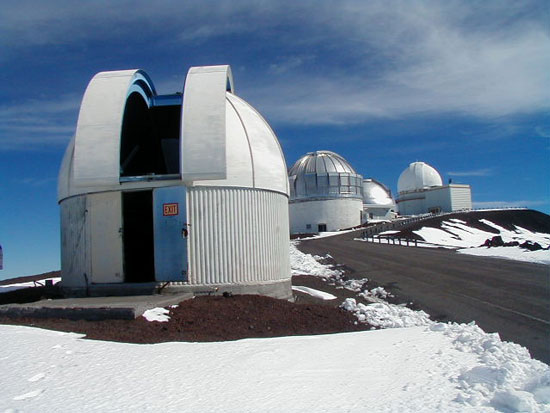
The Mauna Kea telescope was struck by lightning two months ago after it was repaired.

The US National Space Agency (NASA) said it would launch the James Webb space telescope in 2018 with a five-year operational plan.
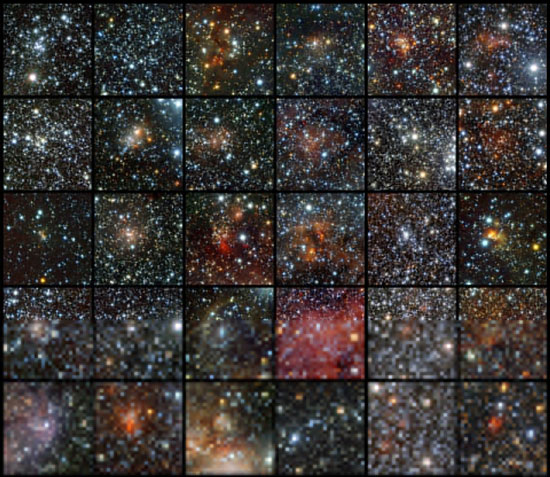
International astronomers have discovered 96 new cluster stars hidden behind dust in the Milky Way after studying data from the VISTA telescope at the Paranal Observator…
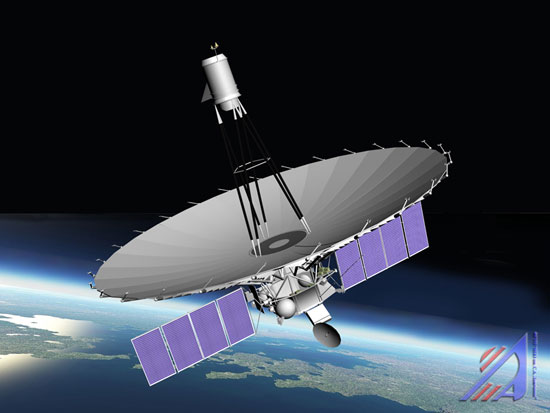
Russia has just launched a space telescope, considered by the world's largest and most powerful experts, to be designed to look back over billions of light years ...
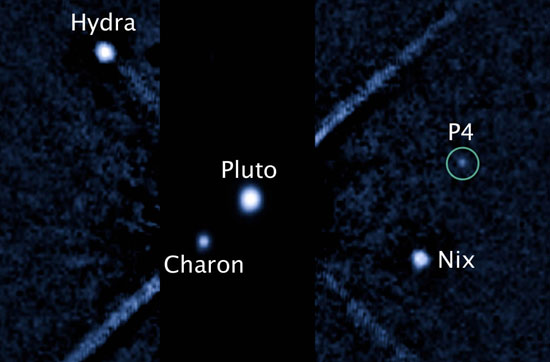
Astronomers with the Hubble space telescope have discovered the fourth satellite of Pluto, AFP reported on July 20.
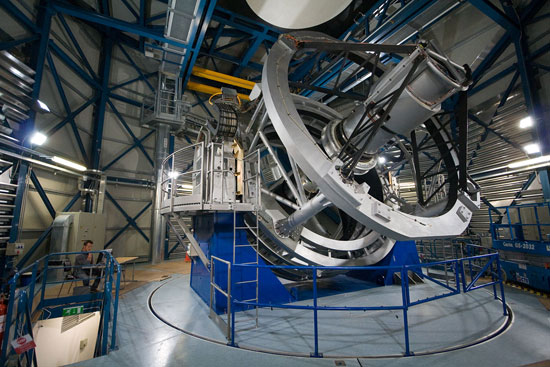
With its height, dry atmosphere, rarely recorded and quiet rainfall, the Atacama desert in northern Chile has been chosen by astronomers as a place to place some telesco…
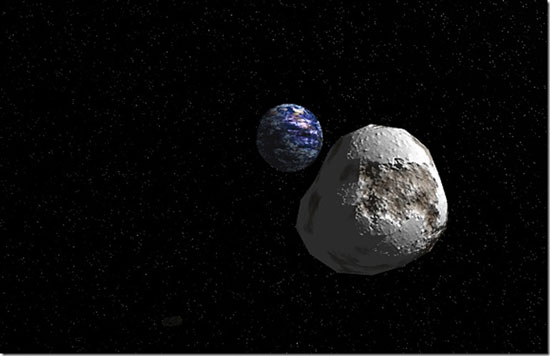
Earth is not alone on the journey around the sun, because it is
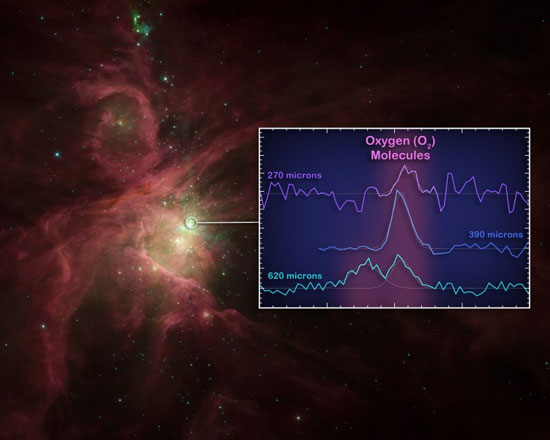
A group of scientists discovered the first oxygen molecules in deep space in the constellation Orion region, about 1,500 light-years from Earth.

The US space shuttle program has undergone many stages of flight and slump for the past 30 years with mixed achievements and disasters.
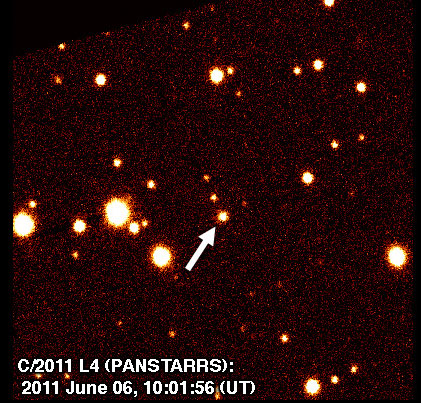
Astronomers have discovered a new comet, named C / 2011 L4 (PANSTARRS). This star will approach our Earth in 2013.
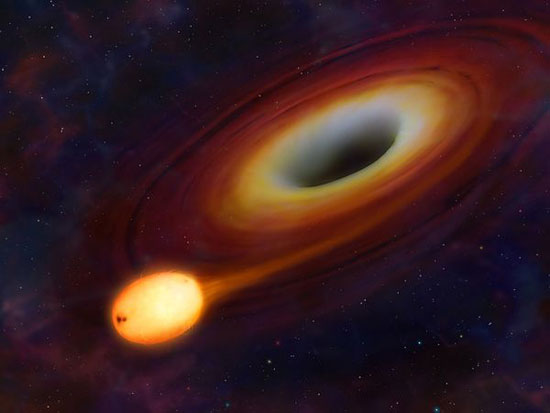
For the first time, American astronomers witnessed in space space a phenomenon that occurred when a primitive star approached a giant den and was smashed to pieces by a…

In 2016, the world will have an extraordinarily powerful telescope to search for aliens.
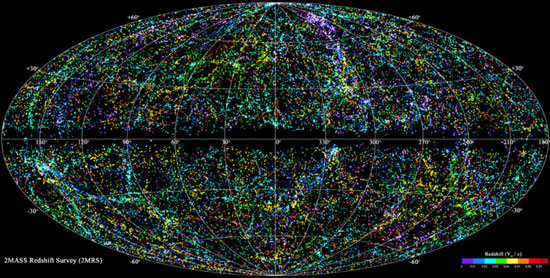
A 3D map is most complete about the universe due to the Two Micron All-Sky Survey program, also called 2MASS, showing that 50,000 brilliant galaxies exist between infrar…