Space science
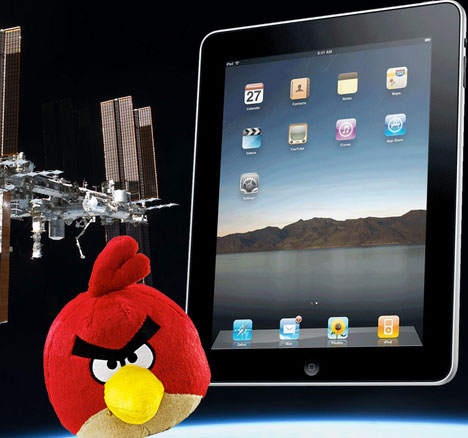
Prepare to launch the iPad to the International Space Station
In the near future, two famous Apple iPad tablets and dolls are the symbol of the top game
Browse ScienceInfo articles and explainers related to Universe.
2,417 published items.
In the near future, two famous Apple iPad tablets and dolls are the symbol of the top game
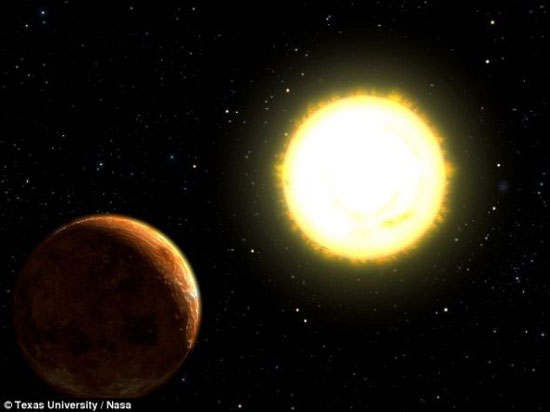
Astronomers have found a planet with a radius twice as large as Earth, but a year there is only 18 hours on our planet.
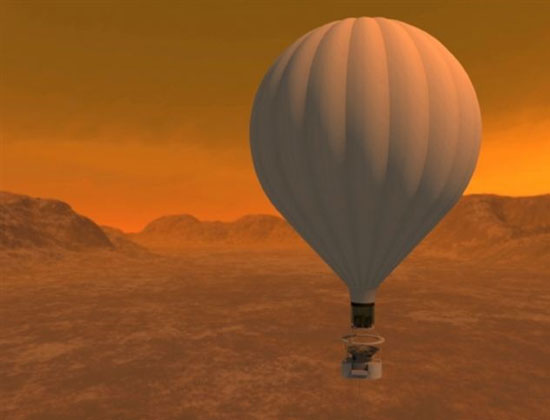
The US Aerospace Agency (NASA) is testing a form of space exploration that is cheaper than a missile program with shadow detectors.
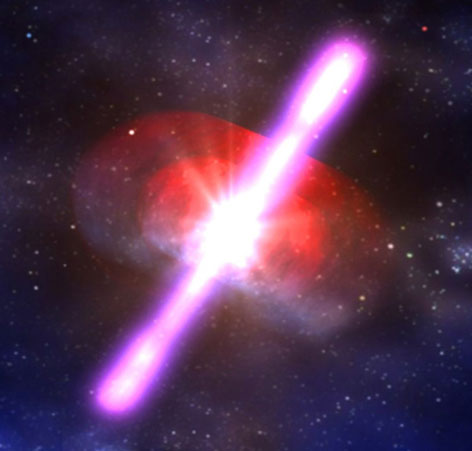
According to the latest research by scientists, life on Earth depends very much on explosions that release radiation that occurs in the universe.
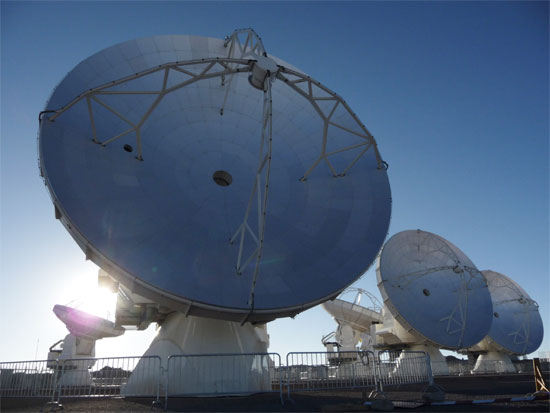
ALMA (abbreviated Atacama Large Millimeter Array), the world's largest telescope installed at the Observatory between the Atacama Desert, at an altitude of 2,900 meters,…
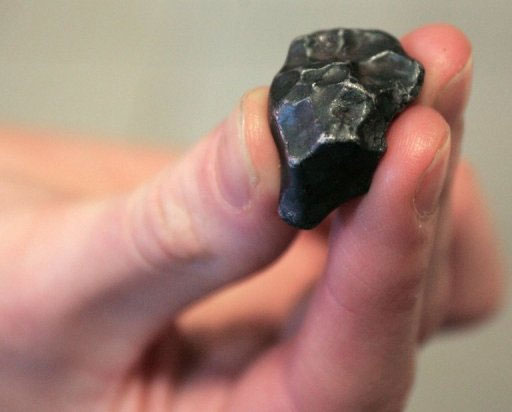
A family in Paris after the vacation found a mysterious hole on the roof, which the culprit was a 4.5-billion-year-old meteorite about the size of an egg.
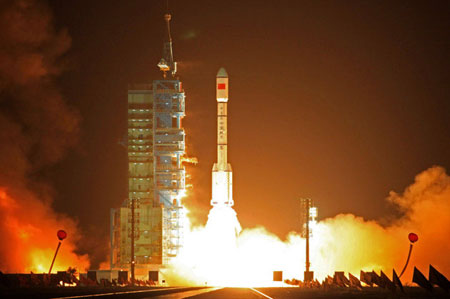
China Central Television (CCTV) broadcasts live images of the Changzhu-1 Long-range Missile to the universe on the basis of an American patriotic song.
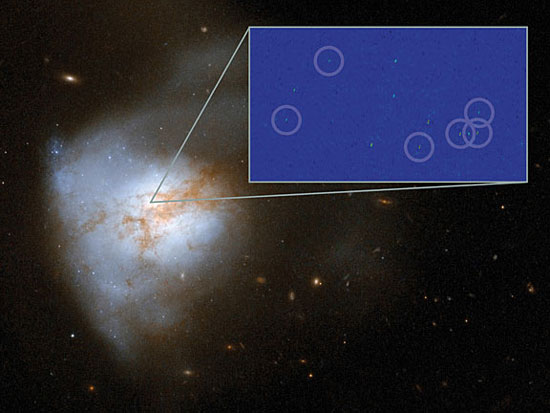
A group of astronomers at the Chalmers and Onsala Space Observatory recently discovered seven supernovae that had never before been known in a galaxy 250 million light-y…
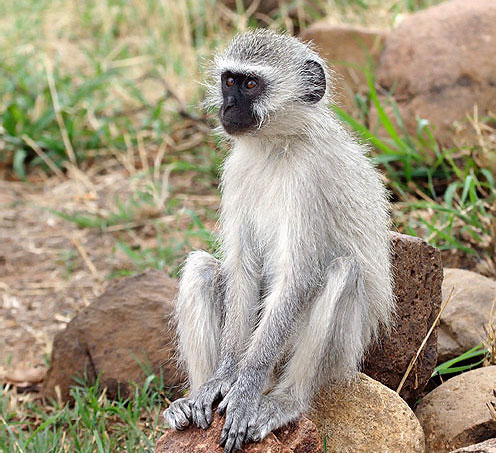
Iran on October 3 announced an indefinite postponement of a project to bring monkeys to space, which was originally expected to be done at the end of the summer and to p…
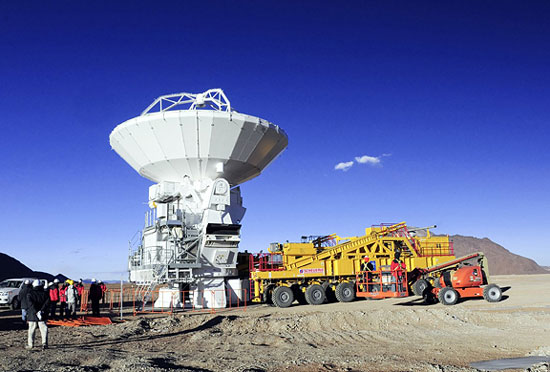
The European Astronomical Authority (ESO) on October 3 announces ALMA - the world's largest telescope, can observe the universe from dust and gas particles that form sta…
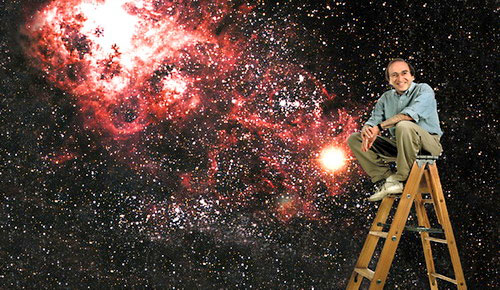
What is the ultimate fate of the universe? Almost certainly it will eradicate in frost, if we believe in the characters who won the Nobel Prize in Physics this year.
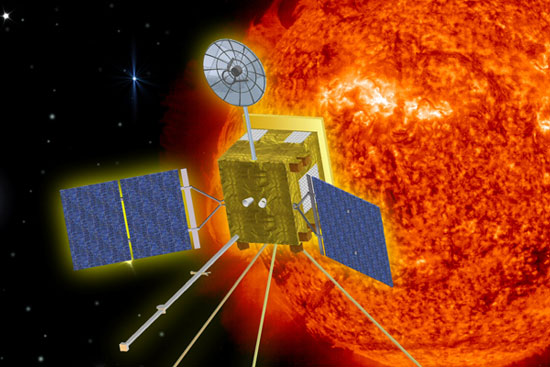
A bold idea of the European Space Agency (ESA) will become a reality in 2017, when the agency appoints
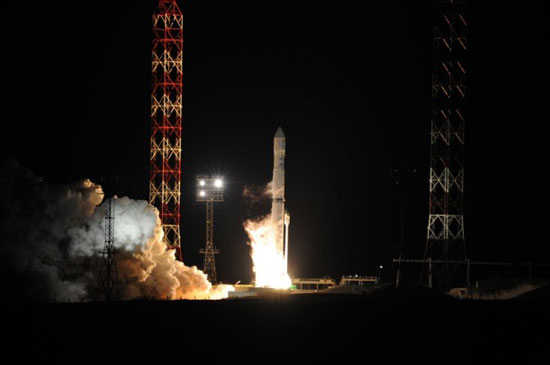
From Baikonur Cosmodrome in Kazakhstan, Russia successfully launched the US Intelsat-18 telecommunications satellite to space on October 6.
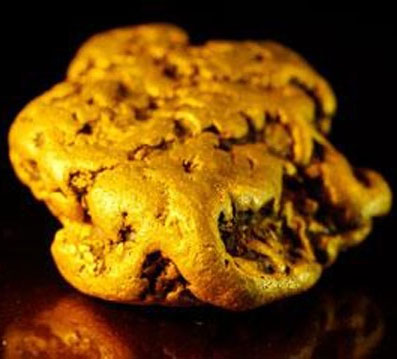
The origin of gold as well as the cause of some planets in the universe is made of precious metals, which are many questions that many scientists have been interested in…