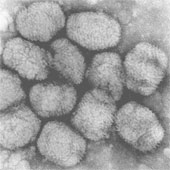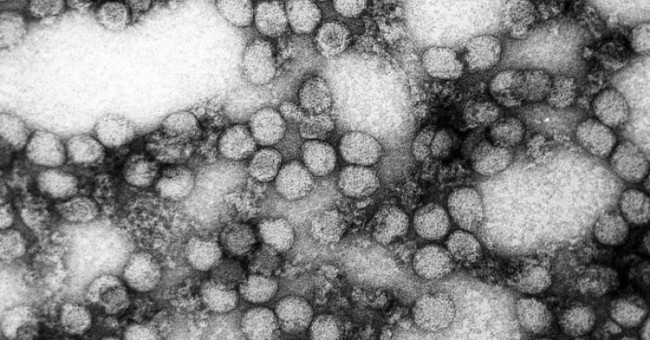
BiologyRecently, the Ministry of Health of Vietnam expressed concern about the possibility of appearing virus species eating dangerous human brain in the country - Zika virus.
December 17, 2018
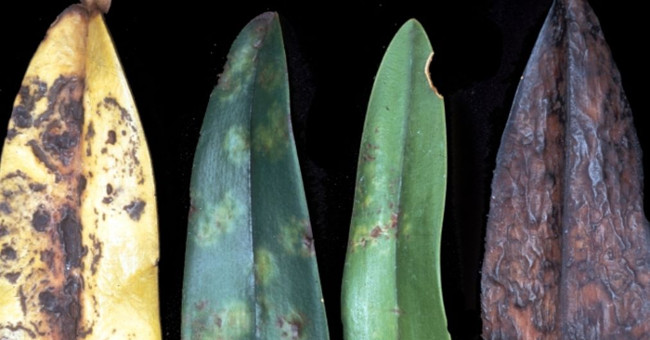
BiologyAll the benefits of plant viruses are probably only limited by our imagination.
December 17, 2018

BiologyCurrently, there are several types of 'viruses' that are resistant to all antibiotics, the most common of which are intestinal gram-negative bacteria.
December 17, 2018
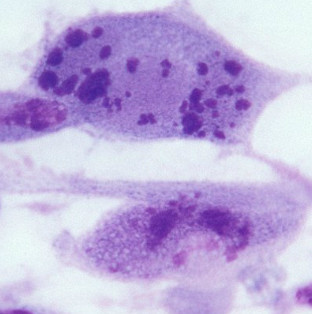
BiologyThe latest statistics from the World Health Organization (WHO) show that 67% of the world's population under 50 years old is infected with herpes virus.
December 17, 2018

BiologyThe human body is home to trillions of bacteria, but we cannot see them.
December 17, 2018
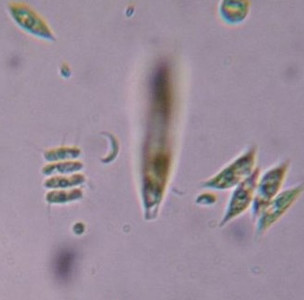
BiologyScientists at the Johns Hopkins University of Medicine and University of Nebraska have discovered an algae virus that could affect the brain and make us stupid.
December 17, 2018
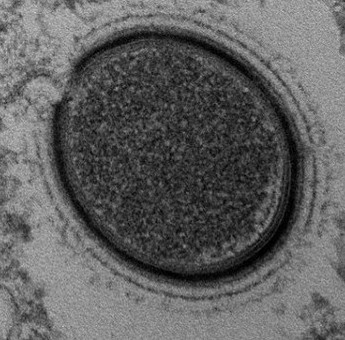
BiologyFrench scientists are cautious when trying to revive a frozen prehistoric virus in Siberia.
December 17, 2018
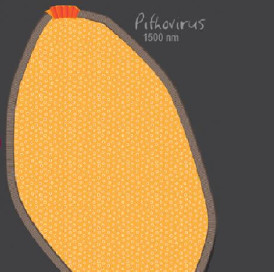
BiologyThe virus is a living creature, and in the old days it also has cells like bacteria, fungi, plants and even animals today. That was the surprising conclusion of scientis…
December 17, 2018

BiologyScientists have found the culprit virus that caused the deaths of millions of starfish along the Pacific coast in recent years.
December 17, 2018
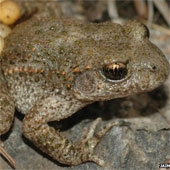
BiologyScientists say a new deadly disease is attacking amphibian species.
December 17, 2018
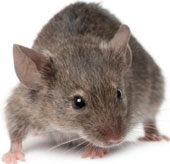
BiologyScientists have published 18 viruses found in 133 mice living in New York City (USA).
December 17, 2018

BiologyIn fact, a quarter of office workers didn't wash their hands enough and properly after going to the toilet, everything in the workplace, from the door to the keyboard an…
December 17, 2018
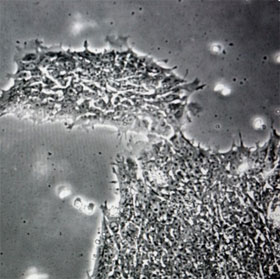
BiologyAmerican scientists at the John Hopkins and Nebraska University School of Medicine accidentally discovered a virus in algae that could infect the human brain.
December 17, 2018
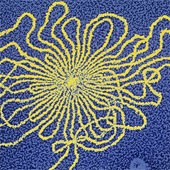
BiologyScientists have found a virus that has never been recorded in human gut, according to a new report on the Nature Communications journal.
December 17, 2018