
Medicine - Health
WHO warned Ebola epidemic to speed up the spread
The World Health Organization (WHO) on October 14 warned that the number of people killed because the Ebola virus exceeded 4,447 with most victims in West Africa.
Browse ScienceInfo articles and explainers related to Virus.
1,753 published items.
The World Health Organization (WHO) on October 14 warned that the number of people killed because the Ebola virus exceeded 4,447 with most victims in West Africa.
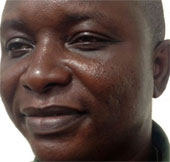
About 400 health care workers around the world have been infected with Ebola and more than 230 deaths.
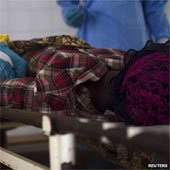
The mechanism of rapid infiltration and injury and the ability of persistent spread of Ebola virus are making them especially scary.
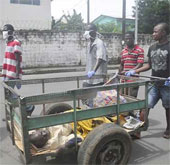
Experts recently warned that the Ebola pandemic could attack European countries such as France, Britain, Belgium, Spain and Switzerland within the next 3 weeks.
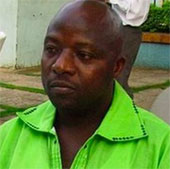
Texas state hospital officials have announced the first Ebola victim in the United States, Thomas Eric Duncan, 42, died after being treated with an experimental drug.

A drug of Fujifilm, called Favipiravir, has gained worldwide attention after curing Ebola for a French nurse on October 4.
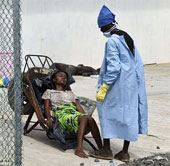
NBC reporter Ashoka Mukpo has just returned to the US to conduct treatment, he is the fourth American infected with Ebola virus.
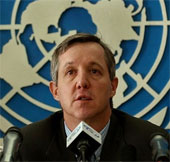
Painful deaths because of Ebola will rise a million times, horrors spread everywhere ... in the event that the virus causes the disease to spread in the air.
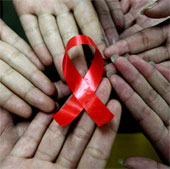

The treatment process for Ebola patients with HIV medicines from Liberia doctor Gobee Logan has shown some positive results.
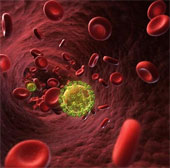
So far, only one person in the world has been said to cure HIV infection -
The British government is calling on patients to commit not to go to the doctor, at least for 5 days, if only cough, cold or sore throat, to reduce the risk of drug-resi…

The US said it discovered the first patient infected with Ebola after he flew from Liberia to Texas (USA).
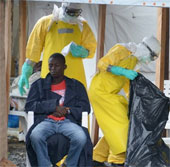
US health officials on Sept. 23 warn that more than 1.4 million people may be infected with the deadly virus.
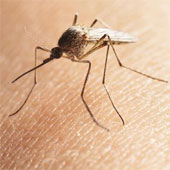
Brazilian researchers in Rio de Janeiro have released thousands of mosquitoes carrying dengue-suppressing bacteria.