Oceanography
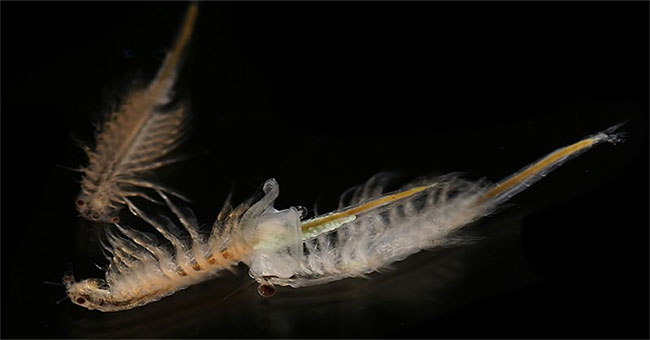
Tiny shrimp species can save the Earth before climate change
A recent study at Stanford University showed the impact of marine species on our climate.
Browse ScienceInfo articles and explainers related to Water.
6,456 published items.
A recent study at Stanford University showed the impact of marine species on our climate.
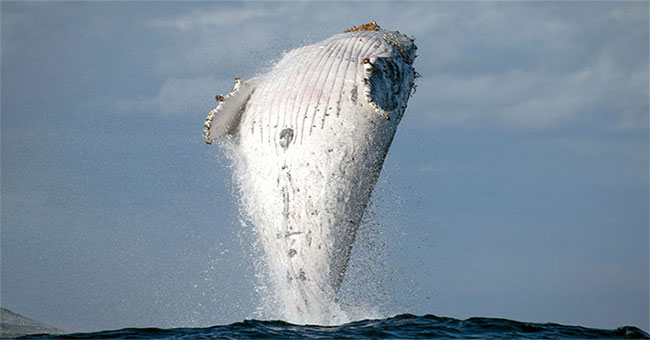
The vertical jump lasts two seconds of the giant Australian humpback whale entering the lens of an amateur photographer.
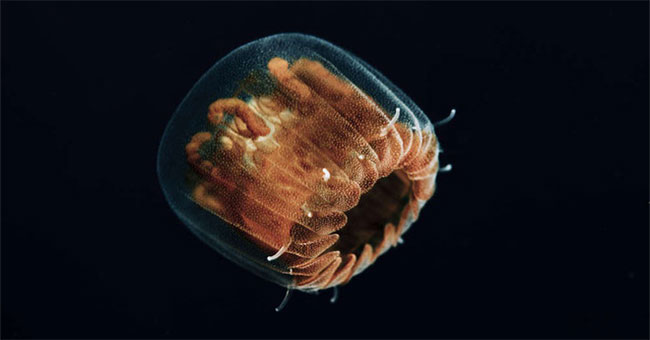
Summer is a time when it is impossible to go to sea. But amidst the many beautiful beaches on this planet, avoid Florida State of America - at least for now.
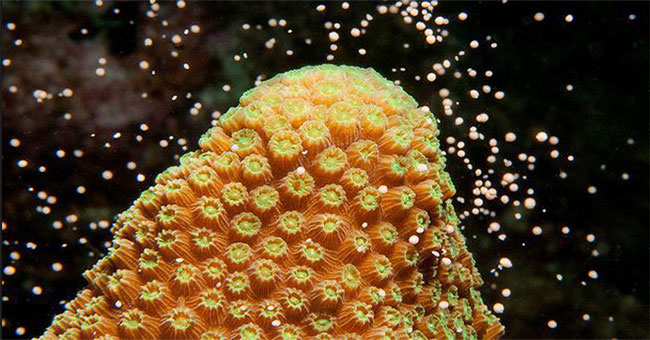
To capture the coral to the eggs, a certain photographer must wait until the full moon and the warmest sea.

The massive 150kg paddle fish is as long as the three adults who were caught in the northern Chilean waters, near the Iquique resort, Mirror yesterday reported.

The island with white sand blue sea like Hawaii is an ideal destination for those who love travel. But hidden deep in the sea there are volcanoes.
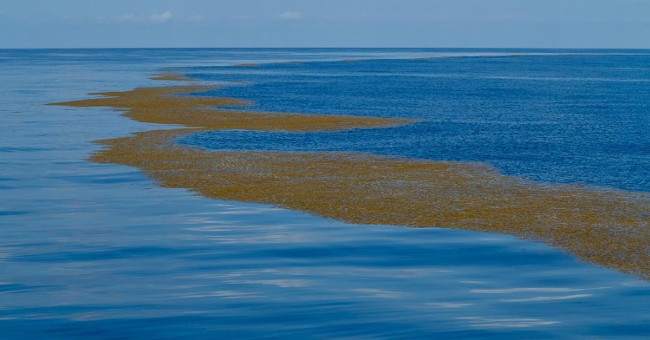
Unlike other oceans, Sargasso is not formed by the lands around it, but by the four ocean currents located in the Subtropical Flow.
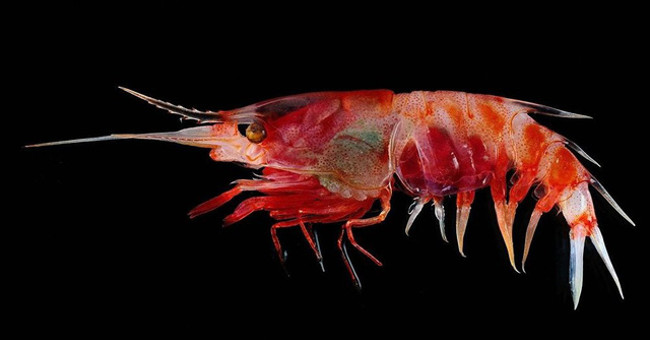
Members of the Indonesian expedition discovered dozens of new animals, Science magazine reported.
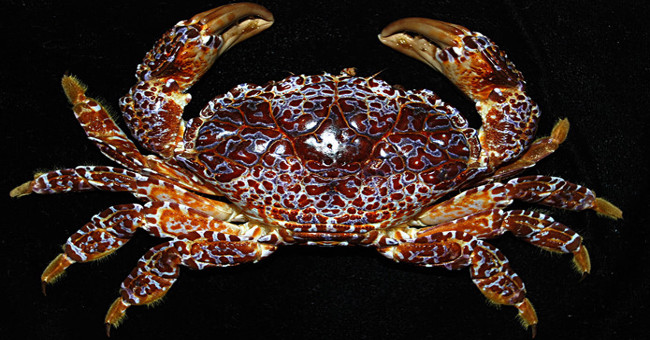
Devil face crabs have vivid colors but behind that eye-catching appearance they are really scary assassins. This crab species is found in the waters from Da Nang to Vung…
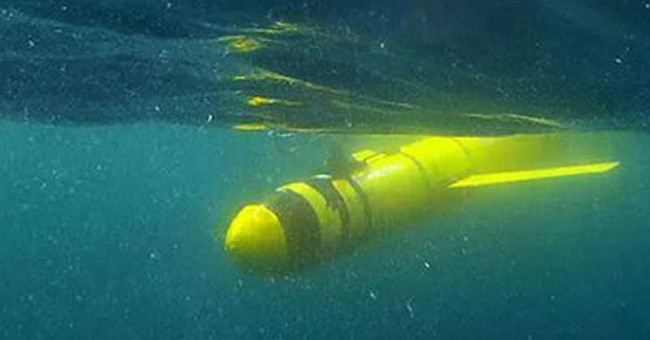
The newly discovered waters are about the same size as the Mekong Delta, located under the Arabian Gulf.
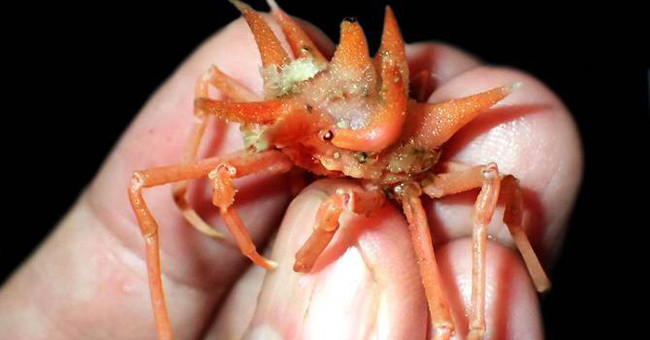
The team used different types of nets as well as special devices to capture tiny organisms.
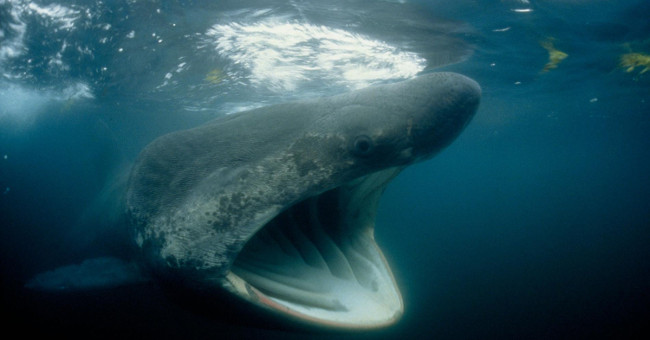
Aerial survey to determine the habitat of the North Atlantic whale in the recent decade revealed the existence of huge giant sharks, National Geographic reported on Apri…
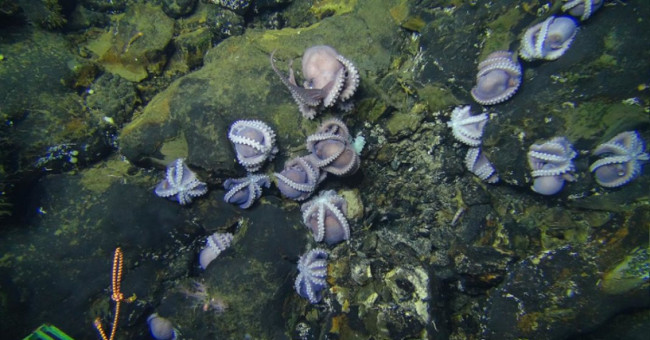
Scientists found more than 100 mother octopus and eggs located at a depth of about 3 km in the waters off Costa Rica, Fox News reported on April 18.
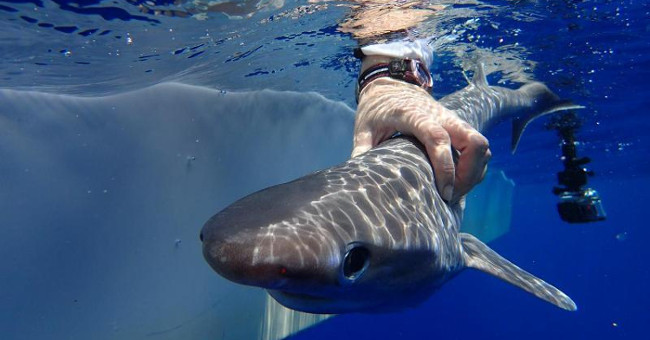
Scientists from the Florida Institute of Technology found a new six-bearing shark in the waters off Belize, the Atlantic Ocean, and the IFL Science on February 23.
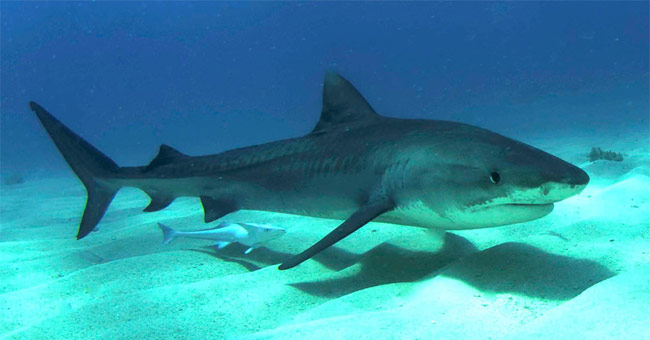
Sharks are considered oceanic killers, one of the most dangerous animals on earth. With strong jaws, sharp teeth, sharks possess the ability to destroy prey in a flash.