Archeology
The reasons for extinction of animals are more difficult than we imagined
We often see in sci-fi movies, scientists easily revive animals that once extinct millions of years ago with only one drop of fossil remains.
Browse ScienceInfo articles and explainers related to Adapt.
134 published items.
We often see in sci-fi movies, scientists easily revive animals that once extinct millions of years ago with only one drop of fossil remains.
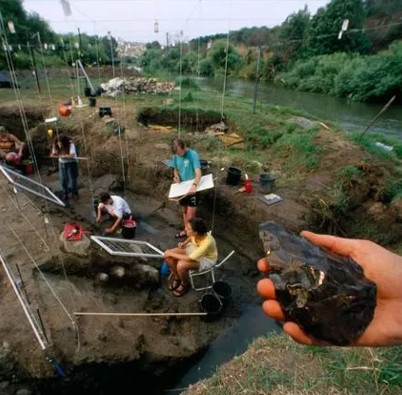
Modern people are different from animals in many characteristics, they form in evolution for millions of years according to different theories.

Recent research from Australian scientists indicates that Theropods - giant carnivorous dinosaurs - have evolved into tiny birds today after more than 50 million years.
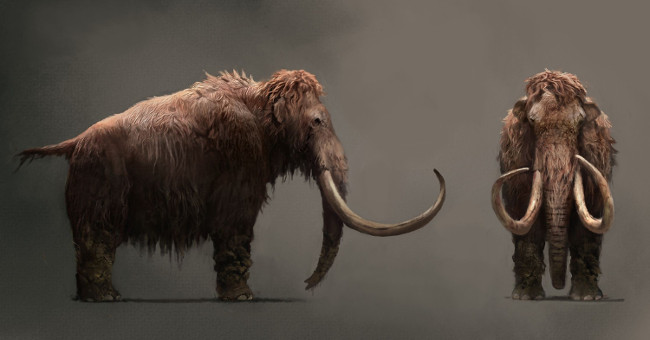
Mammoths disappeared from the ground after massive meteorites fell to Earth 12 thousand years ago. Many animals that cannot adapt to such sudden changes in climate have…
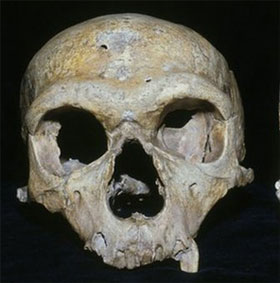
A study of Neanderthal skulls reveals that, like this person, extinct because of having bigger eyes than modern humans - our ancestors.
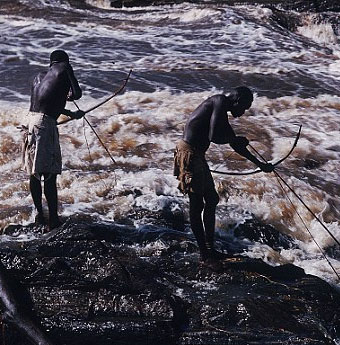
Scientists believe that modern humans began to appear in Africa after genetic changes helped them to adapt to plant foods. This change makes modern humans can leave the…
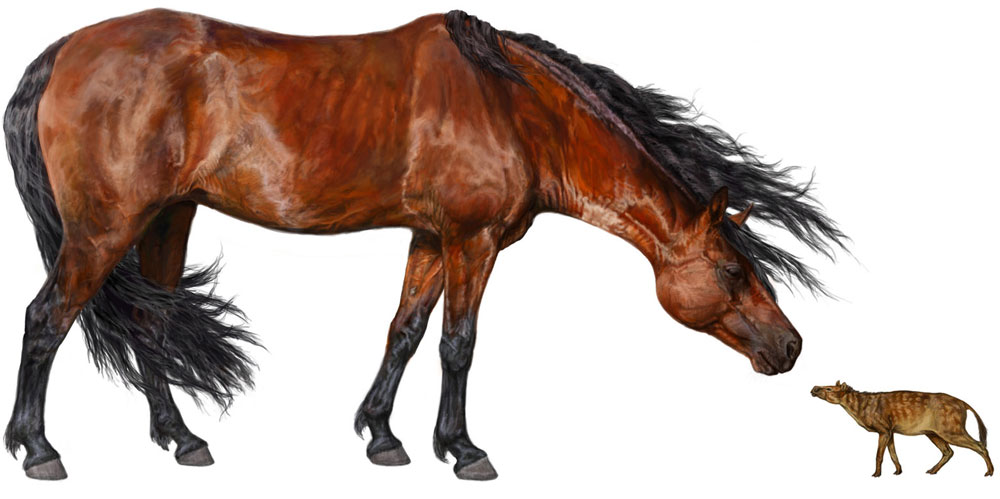
Over 50 million years ago, Earth's temperatures were higher than now, and cat-only horses have a lot in North American forests.
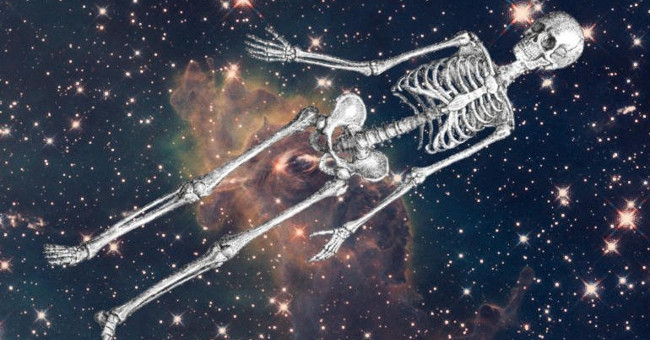
Certainly, the human body cannot adapt in space. However, the question is, what happens when people fall into space without being protected by clothing and protective eq…

NASA Space Agency has asked the laboratory of Dr. Charles Czeisler (director of the Division of Sleep Medicine at Harvard Medical School in Boston) to find ways to help…
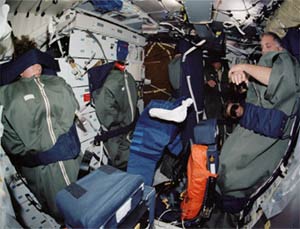
Recently, US media reported that some scientists from the Kanagawa City Technical Research Institute in Japan have discovered that a substance in the brain can cause ani…
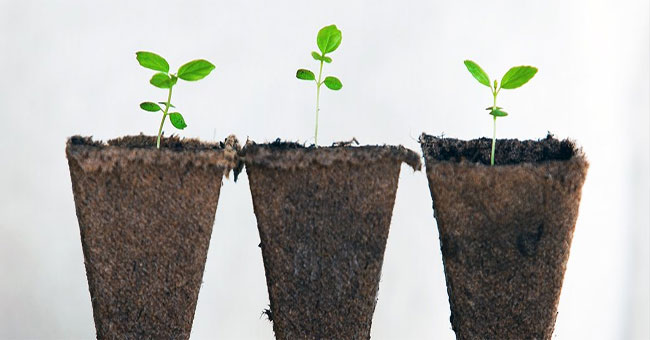
Plants have the ability to adapt to the size and density of surrounding plants.

Not only adjusting to adapting to life in a new environment, some of the bacteria brought to the space station became even stronger when it was able to resist antibiotic…
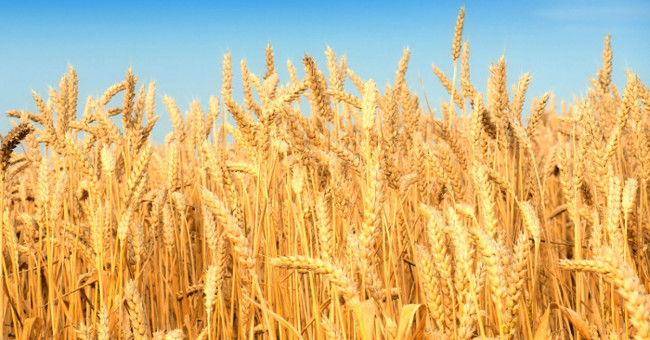
Newly discovered photosynthesis methods help wheat grow faster and adapt better to hot and dry climates.

The study of climate change ecologists has detailed how plants in the US will have the hardest time to adapt when the world warms up.

Cyanobacteria, after taking up to 2.5 billion years to adapt to the Earth's biosphere, could pose a global threat in the future.