Archeology
Broken objects reveal a mysterious ritual of the Bronze Age
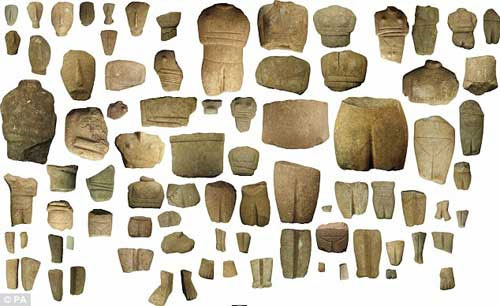
When archaeologists unearthed a treasure of bronze-era artifacts, they must have thought they had won.
Browse ScienceInfo articles and explainers related to Age.
1,378 published items.
When archaeologists unearthed a treasure of bronze-era artifacts, they must have thought they had won.
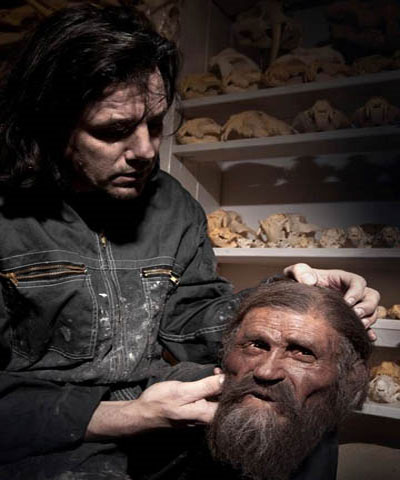
Combining science and art, Dutch brothers Adrie and Alfons Kennis have re-created faces for the famous Otzi mummy dating to 5,300 years old.
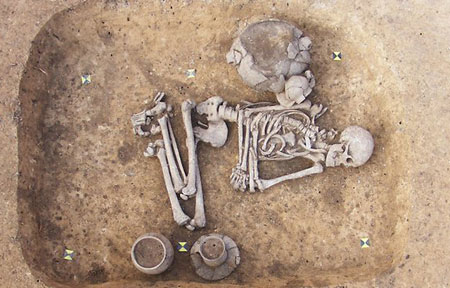
Archaeologists in the Czech Republic have discovered a 5,000-year-old remains that they believe belong to a gay caveman.
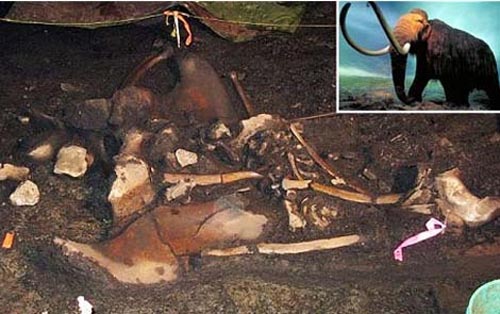
Construction workers have discovered an archaeological site consisting of many fossils of giant animals during the ice age, such as mammoths, mastodons and sloths.

Oetzi simulation doll, the world-famous iceman was discovered in Italy in 1991, will have a new face on the 20th anniversary of his found.

Prehistoric people, particularly in the Ice Age, took advantage of human skulls as cups in macabre parties.

Many archaeological evidence shows that if our ancestors did not know how to make beer, maybe civilization on earth has developed more slowly than reality, ...

Archaeologists often calculate the age of artifacts from the Stone Age based on the depths of antiquities found, ie the greater the depth, the higher the age of artifact…
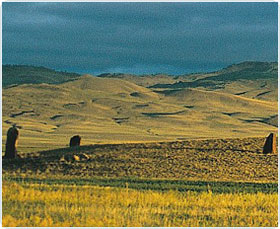
The Bronze Age cities built by the Aryans were started in the Western civilization of Europe, recently discovered in a remote area of Russia.

Some Chinese scientists say that the tomb in An Duong, Ha Nam and China is still considered to be Cao's, actually by Wei Yuan De, the last emperor of Wei.
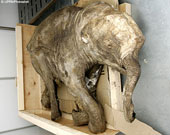
The Mammoth Elephant named Lyuba, after 42,000 years of being buried in mud, first appeared in the US public at The Field Museum, Chicago state.

US scientists have said they found the ancient Eden garden of the ice age at the Pinnacle Point area, on the south coast of Africa.
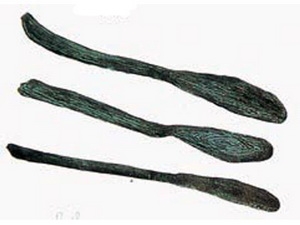
Korean archaeologists said on August 17 that they had unearthed a single wooden paddle that is believed to have dated back to about 7,000 years in an almost intact state.
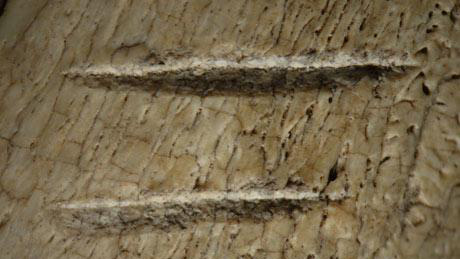
This finding may force scientists to rewrite human evolutionary history.
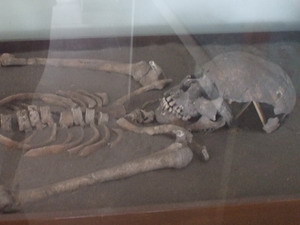
Mexican archaeologists have brought the human skeleton dating back 10,000 to 14,000 years out of a submerged cave.