Science invention
Metallic glass material is tougher than metal
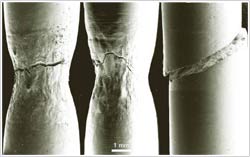
Block metal glass materials have shown promise in engineering for more than 15 years but often have poor flexibility and toughness, and make them brittle and fragile. Bu…
Browse ScienceInfo articles and explainers related to Alloy.
69 published items.
Block metal glass materials have shown promise in engineering for more than 15 years but often have poor flexibility and toughness, and make them brittle and fragile. Bu…
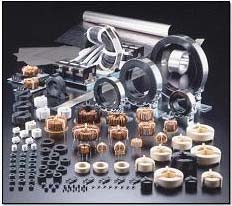
Researchers at the US Naval Laboratory and Clark Atlanta University have improved the technique of using cobalt (Co) bands to significantly improve the toughness of old…
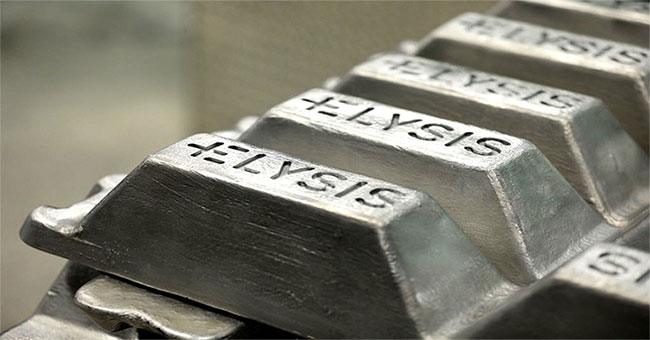
According to the new process, ceramics were used instead of carbon in the positive electrode. So instead of CO2 emissions, the reaction was given ... pure oxygen.
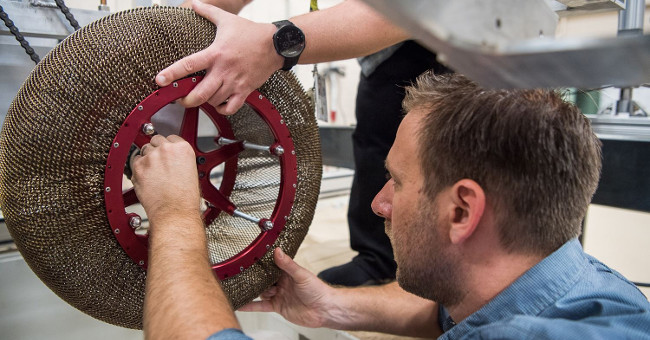
Not only for Mars, this tire is likely to be used on Earth itself.

Engineers at NASA have created such a durable knife that you never have to grind it.

To increase the resistance to explosions for military vehicles, BAE Systems sought answers from the hardest beetle in the natural - iron-eyed (ironclad beetle) world.

US scientists have found a substitute for titanium in medical implants with four times the strength.

Will we have future constructions made from Hydro alloy?

US scientists have successfully synthesized a new metal that promises to change the car, aircraft, and spacecraft industry.

Vincent - a cat found at a young age and without hind legs, has undergone a transplant to restore normal walking.
When your eyeglass frame is bent, it will be very difficult to bring it back to its original shape. However, if your glasses are made from this new self-shaped alloy.

Whatever the bending or deformation, the alloy will return to its original form after a fire.
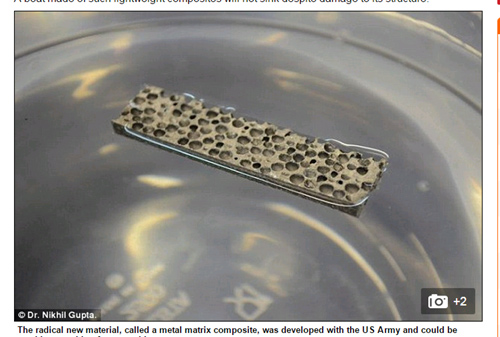
US scientists have successfully synthesized a new super-stable and ultra-light alloy that even floats on the water, opening up the possibility of making ships and ships…
Novosibirsk scientists have made super-durable materials from diamond with a special structure.

Researchers at the University of North Carolina (NCSU) have taken first steps in developing a method of controlling the surface tension of liquid metal by low voltage.