Medicine - Health
Antibiotics from dirt
A group of scientists claims to have created one of the strongest antibiotics, capable of killing microorganisms that cause pneumonia, staph, tuberculosis, blood infecti…
Browse ScienceInfo articles and explainers related to Antibiotic.
342 published items.
A group of scientists claims to have created one of the strongest antibiotics, capable of killing microorganisms that cause pneumonia, staph, tuberculosis, blood infecti…
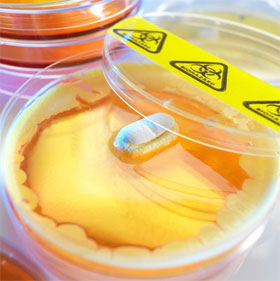
US researchers have discovered a type of super antibiotic capable of removing most pathogens, from staphylococcus aureus to bacteria, hidden in the soil.

The British government is calling on patients to commit not to go to the doctor, at least for 5 days, if only cough, cold or sore throat, to reduce the risk of drug-resi…

Infants and young children under 2 years of age who get treated with antibiotics too soon will have a higher risk of becoming obese later.
On July 21, scientists announced a new method that combines three highly effective drugs, shortening the duration of treatment from two years to four months in the treat…
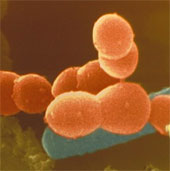
A group of Chinese and Danish researchers have identified more than 500 types of intestinal microorganisms and 800 viruses that can attack these microorganisms.
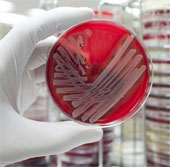
British scientists claim to have achieved a breakthrough in the race to defeat the global threat of drug-resistant bacteria.

The level of toxicity, causing complications and deaths of hospital infections is higher than that of community infections.

A leading microbiologist claims, the amount of antibiotics we absorb from meat and dairy products may be the cause of the mysterious appearance of a series of modern epi…
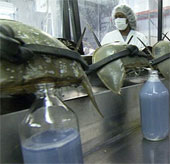
Blood is not only a component that helps maintain life, but also has many unusual uses.
You should rinse salt water several times a day, replenish your body with adequate water and have a reasonable rest.
A new Canadian study published on November 9 shows that patients who regularly take calcium channel blockers should not use it in combination with clarithromycin.
An Israeli team of scientists has taken the first step in developing an antibiotic replacement, after successfully separating a bactericidal protein.
Scientists at the University of Groningen in the Netherlands are conducting tests on a new technique, which, with only a few tricks, can stimulate antibodies.
A new antibiotic compound in microorganisms where the ocean is located in sediments off California (USA) may help cure infections that are resistant to current strains.