
Animal worldThere are rumors that in Africa there is a mysterious ape species also known as the Bili ape, they are giant in size, extremely ferocious, and can hunt and eat lions.
February 2, 2025

ArcheologyOn Earth, the appearance of humans can be said to be an 'accident'. There were no humans on Earth in the first place. Humans only appeared after the mass extinction of d…
December 9, 2024
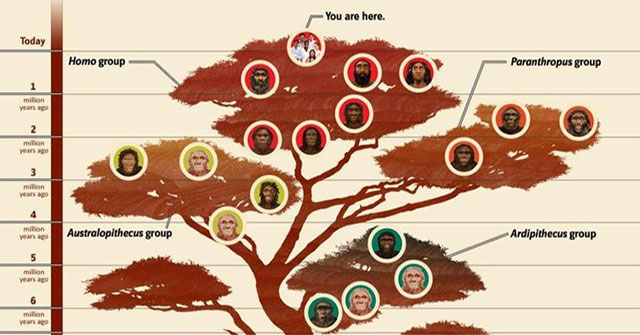
Discover scienceThere used to be nine species of humans, now there are just us. But how did the new species evolve? For that to happen, isolated populations would need to be subjected t…
October 15, 2024

Science storyHumans have a unique sequence of two amino acids in the FOXP2 gene located on chromosome 7. This gene FOXP2 regulates the development of brain structures important for v…
May 28, 2022
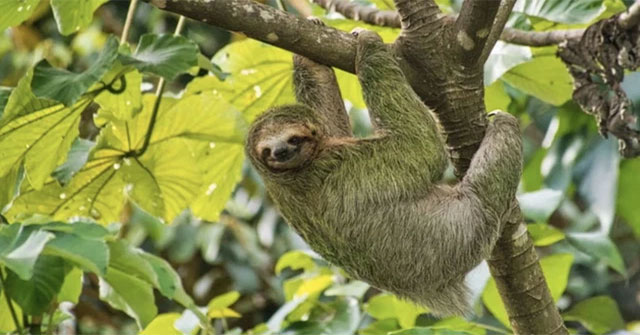
Animal worldWhen we think of long-armed animals, we might think of apes, but in fact there is another species that has beaten them.
February 9, 2022
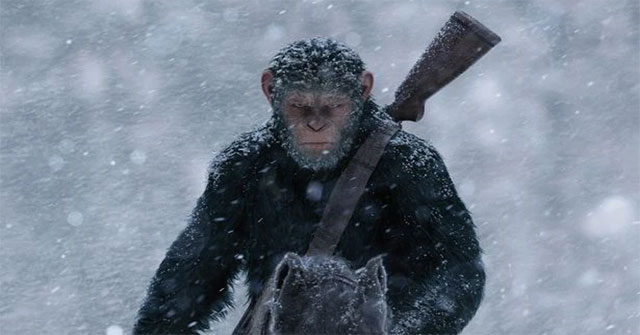
Animal worldChimpanzees are thought to have 48 chromosomes, humans have 46, and Oliver the chimpanzee has 47.
December 29, 2021
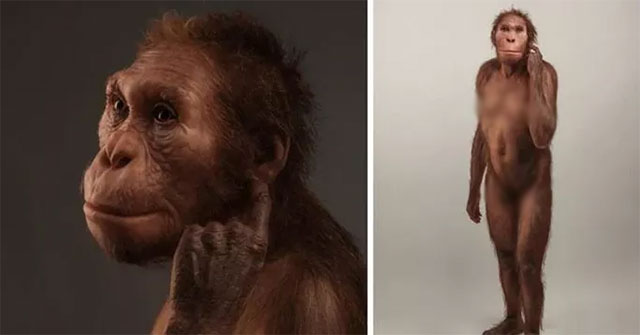
ArcheologyThe evolutionary breakthrough that sets humans apart from other apes has been found in the body of Issa, a 2 million-year-old woman.
November 27, 2021
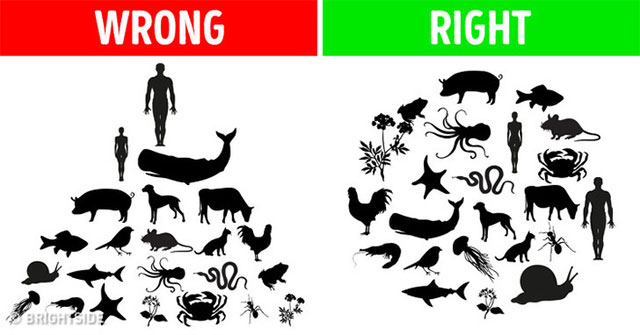
Discover scienceThere is a lot of knowledge that was once misunderstood by the vast majority of us, scientifically proven but you may not have grasped it.
June 18, 2020
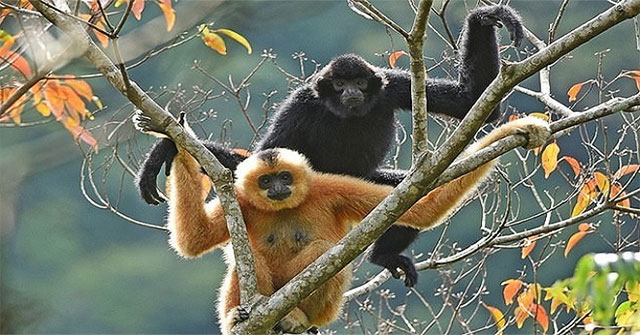
Animal worldConservation experts have found two Hai Nam gibbons that are breeding, giving hope of recovery for the critically endangered species.
June 3, 2020
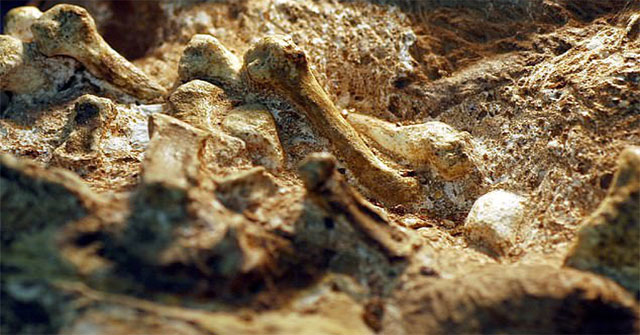
ArcheologyAn individual likened to a hominid of hominid and true human has just been unearthed in South Africa.
May 24, 2020
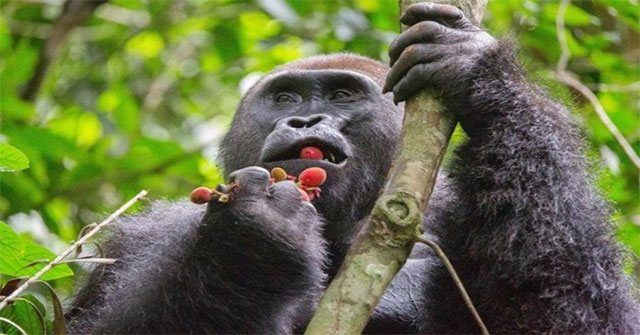
ArcheologyResearch by scientists indicates that the process of absorbing and metabolizing alcohol from fruits is part of the reason for saving apes from extinction.
December 11, 2019

ArcheologyGigantopithecus blacki, the giant ape that lived 9 million years ago, is 3 meters tall and weighs 6 quintals, is considered the largest primate ever to exist on Earth.
November 20, 2019
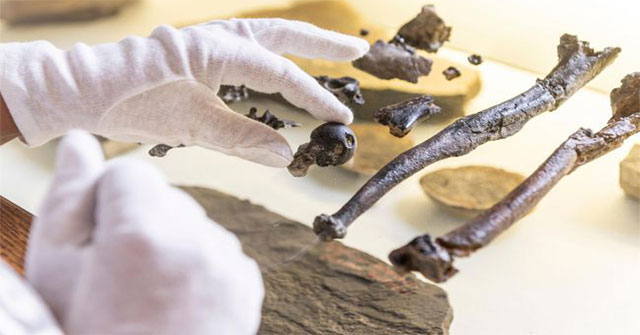
ArcheologyThe fossilized 11.62 million-year-old fossil remains of German researchers describe it as being like an ape and a human in one.
November 11, 2019
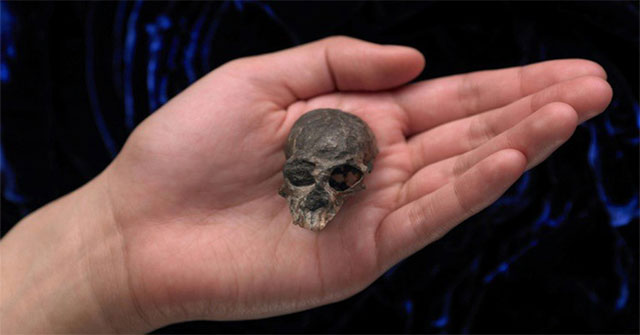
ArcheologyThe remains of a prehistoric primate living in the Andes 20 million years ago and small enough to fit in your hand are helping scientists learn more about how the human…
September 22, 2019
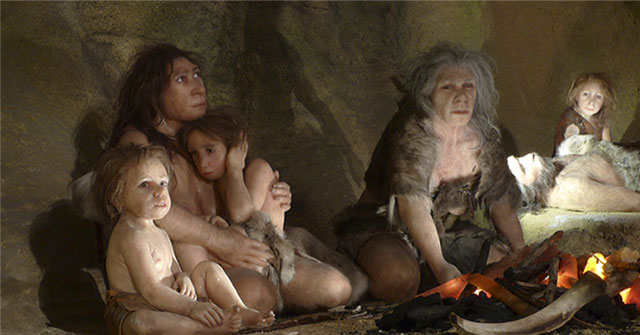
AI - Artificial intelligenceBreakthrough research recently published in Nature Communications shows the existence of an extinct mysterious species of ape.
May 3, 2019