Videos
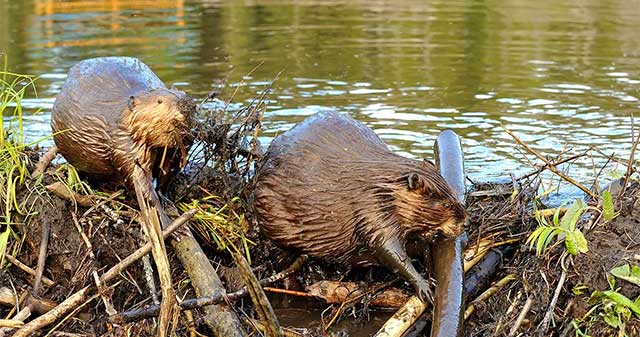
How do beavers build giant dams?
With their ability to build dams across streams, beavers are like architects who can restructure the surrounding ecosystem.
Browse ScienceInfo articles and explainers related to Aquatic.
147 published items.
With their ability to build dams across streams, beavers are like architects who can restructure the surrounding ecosystem.
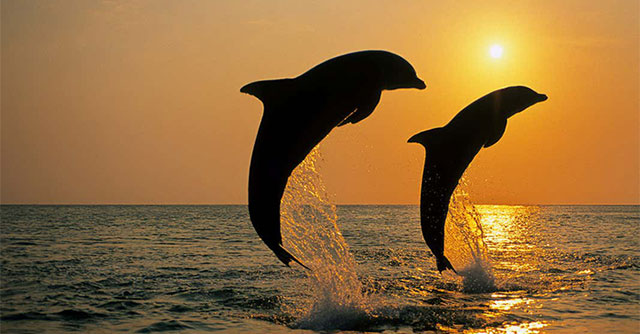
Dolphins need water to survive and function, but in the ocean, they cannot drink seawater directly. So how do dolphins rehydrate?
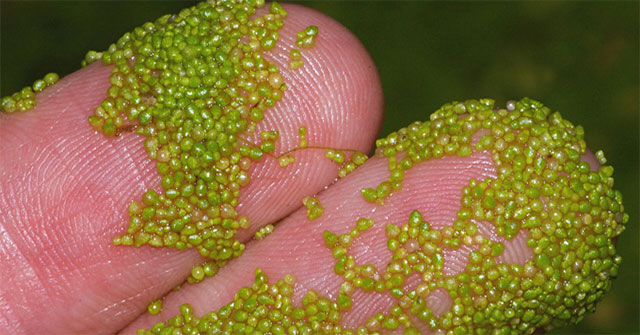
Contrary to popular belief, plants are not always static but can act very quickly, with timescales measured in milliseconds.
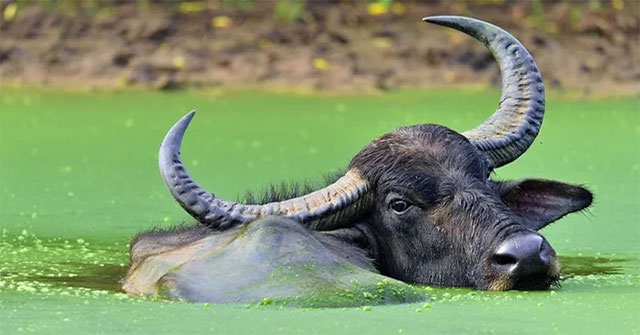
Water buffalo is a familiar animal for agriculture, especially in Vietnam, however this species is distributed in many other countries and has many characteristics that…
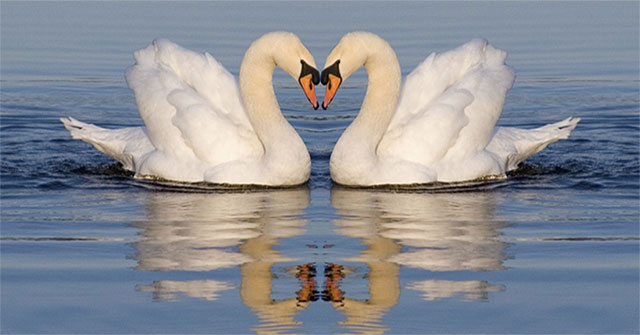
The animals mentioned in this article always travel in pairs and remain faithful throughout their lives.
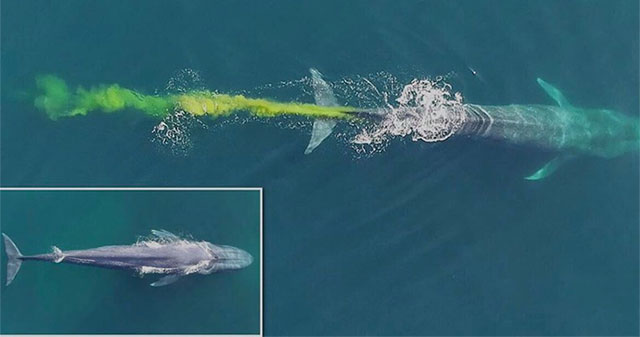
The answer is definitely yes, aquatic animals definitely do pee. Urine from marine life forms an important part of the nutrient cycle in our oceans.

Ancient Scandinavians may have used boats made from animal skins for fishing, hunting and transporting trade goods, a new study suggests.

Newly published research on genomic data from 9,506 species, as well as examining 200 fossils, provides the deepest insight to date into the evolutionary history of flow…

Study 53 planets in galaxies that contain the Earth and found evidence of plate tectonics and oceans that might contain life.
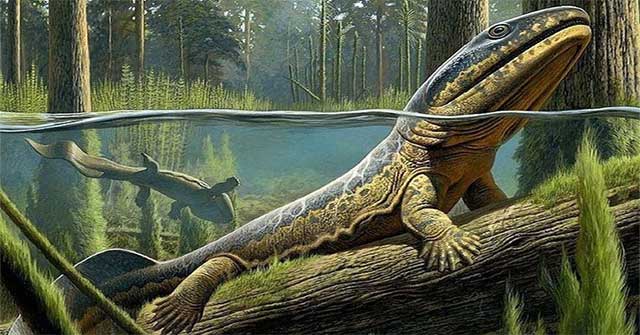
Why do we have fingers, what does the number of these fingers mean in terms of evolution?
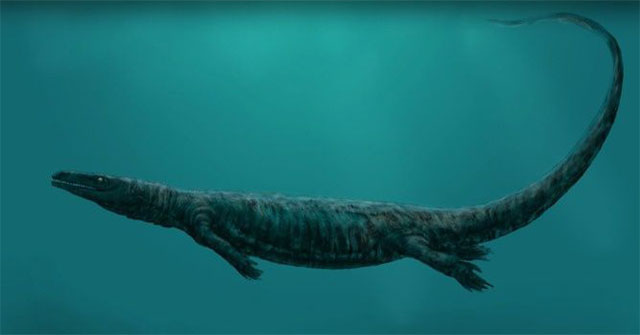
Pannoniasaurus is a relative and smaller version of the famous aquatic monster Mosasaurus. They are famous for being the first known species of Mosasaur to live in fresh…
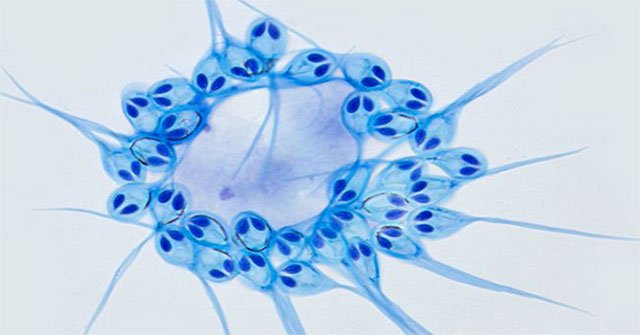
During evolution, an aquatic parasite removed body parts to make it simpler.
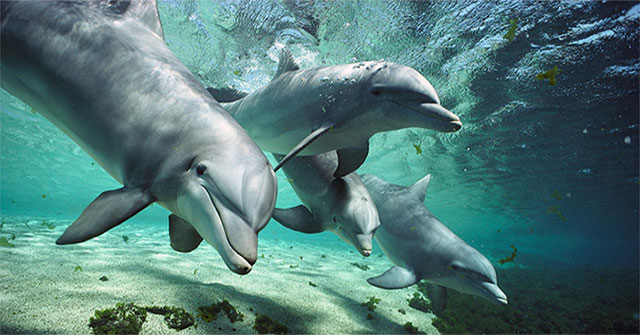
Dolphins in the wild are seriously affected by antibiotic-resistant bacteria, which is thought to only occur in humans.
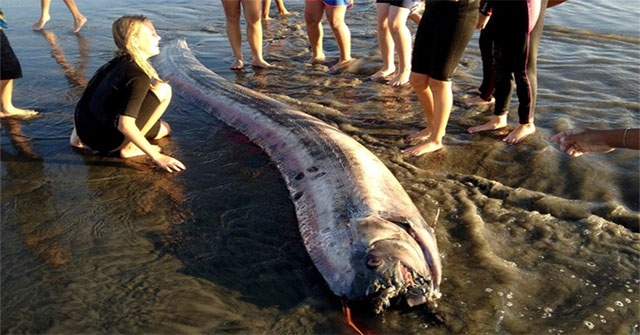
The Japanese should not continue to watch the giant fish in the deep sea to predict earthquakes as more than two centuries ago, according to the study.
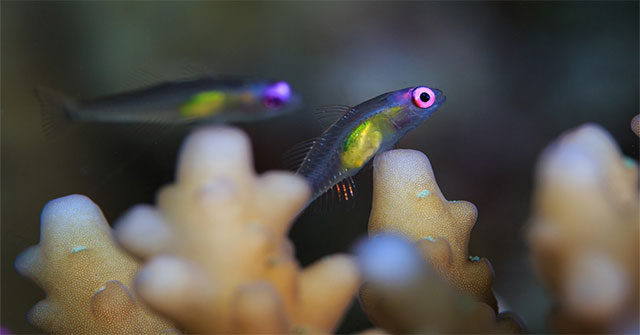
The smallest vertebrate aquatic species - cryptobenthic fish - though less than 2cm long but plays the most important role in the coral region's ecosystem.