Space science
New research helps detect life outside the Solar System
If a planet is too far away from its star, surface water on the planet will freeze, if the mineral is too close, surface water will evaporate into the universe.
Browse ScienceInfo articles and explainers related to Atmospheric.
200 published items.
If a planet is too far away from its star, surface water on the planet will freeze, if the mineral is too close, surface water will evaporate into the universe.
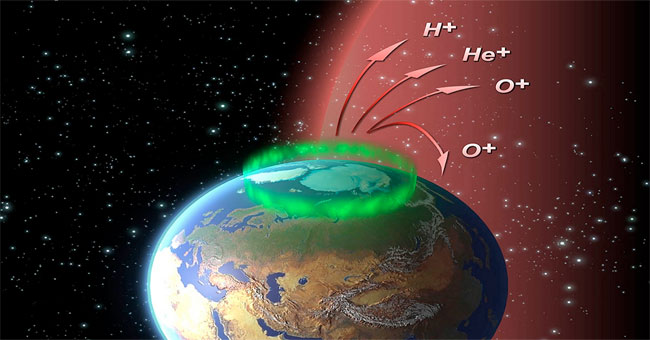
The phenomenon of atmospheric evaporation into the universe can lead to the destruction of life, turning the Earth into a barren, deadly planet like Mars.
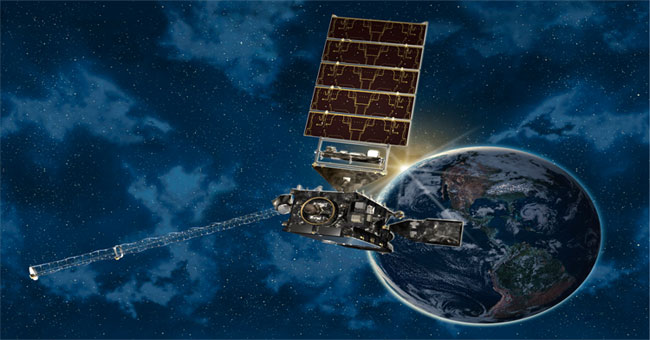
On November 19, the US launched a latest generation weather satellite capable of capturing weather and atmospheric phenomena at 30 seconds per image.
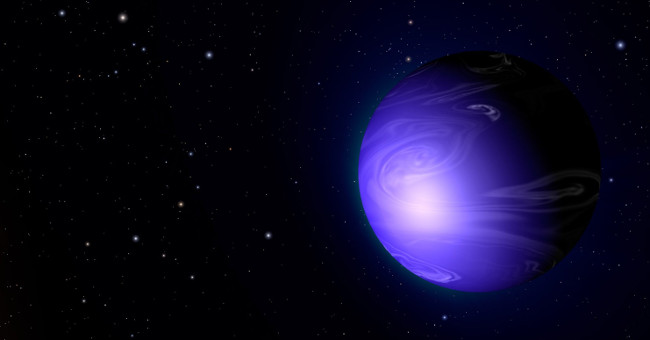
The study of Swiss astronomers indicates extraterrestrial HD 189733 b has the harshest weather in the universe.

Russia has recently successfully tested the solar satellite using solar energy.

Sputnik cited the British journal New Scientist with an article saying that the US Air Force is preparing to detonate a plasma bomb on the upper atmosphere.
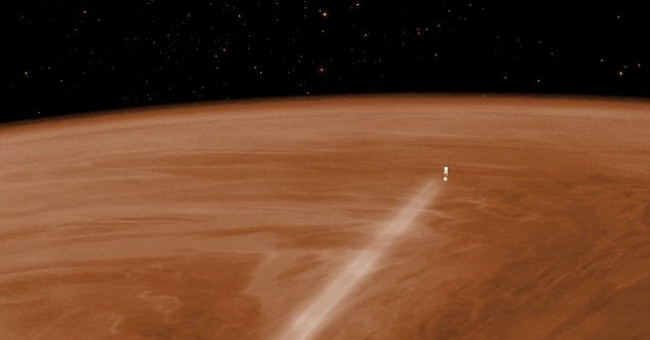
Scientists have discovered polar regions on Venus even colder than anywhere on Earth.
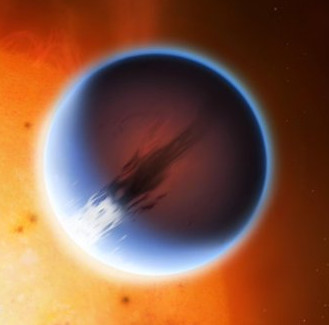
British scientists built the first weather map of a planet outside the solar system with winds of up to 8,690km / h.
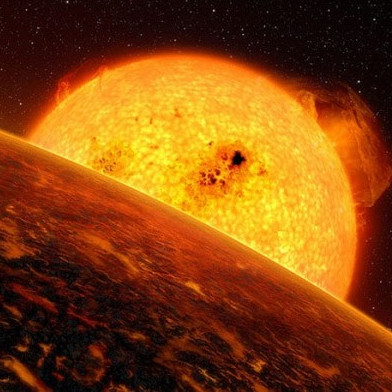
CoRoT-7b, an extrasolar planet, is a world covered by lava ocean, has a scarred surface due to the intense eruption of volcanoes and the atmosphere formed from evaporate…
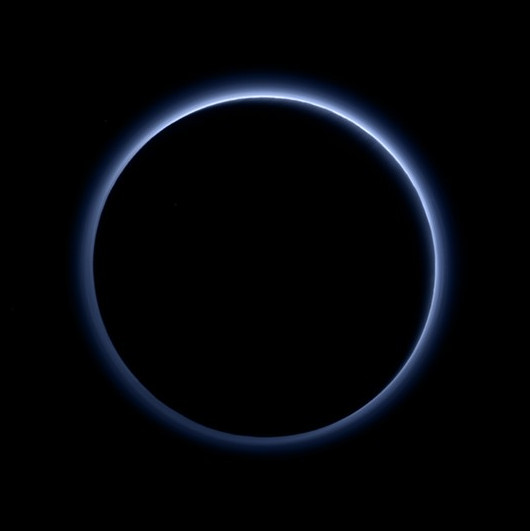
NASA experts were surprised to find out that Pluto's atmospheric cloudy sky is blue.
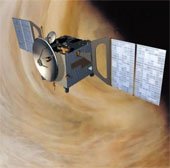
The European Space Agency (ESA) announced on December 16 that the Venus probe
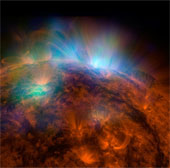
The NASA Center explains the mysterious phenomenon that takes place on the southern end of the Sun, in fact, the appearance of a giant coronary crater on the surface of…
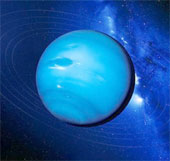
For the first time, scientists determined the chemical composition of the atmosphere of a distant planet, far smaller than Jupiter.
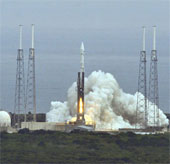
The Maven, short for Mars's Atmospheric and Evolutionary Mission, will perform a different mission from NASA's previous missions.
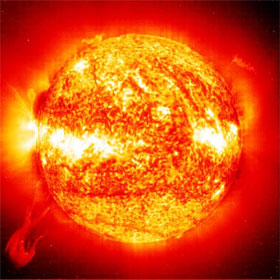
Scientists finally found a solution to the mystery of the Sun's atmospheric temperature hotter than the surface.