Oceanography
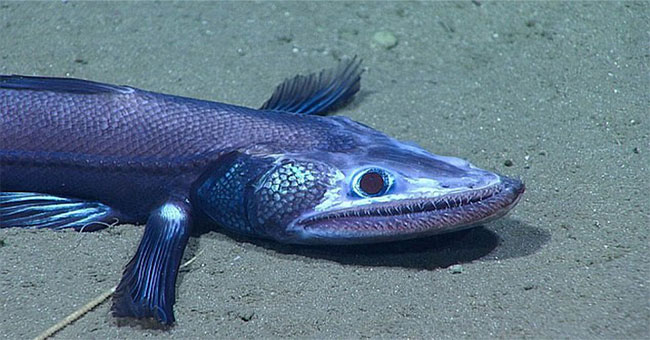
Happy lizard fish, short-tailed squid under the sea
NOAA's Okeanos Explorer (US National Oceanic and Atmospheric Administration) has just finished its mission of exploring the less-studied marine areas in the Southeastern…
Browse ScienceInfo articles and explainers related to Atmospheric.
200 published items.
NOAA's Okeanos Explorer (US National Oceanic and Atmospheric Administration) has just finished its mission of exploring the less-studied marine areas in the Southeastern…

The explorer ship of the US Ocean and Atmospheric Administration discovered that the squid has a strange red body structure in the Gulf of Mexico.
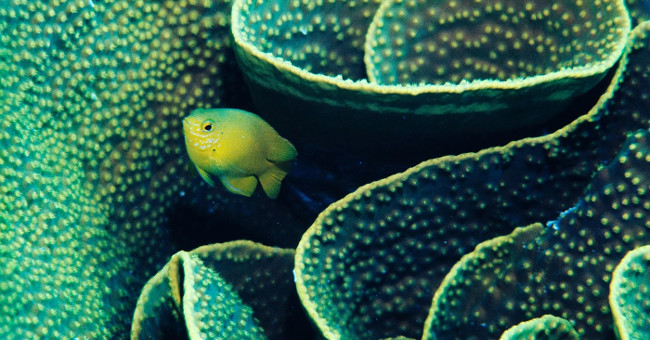
According to marine researchers from Australia, if a major acidification situation is going badly, many fish populations may be disoriented in the middle of a large posi…
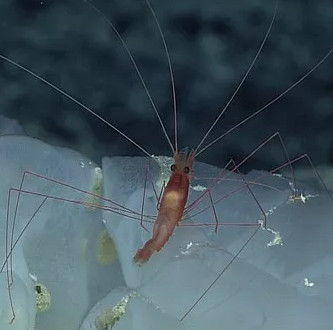
These are all creatures that have been discovered by biologists at the American Center for Oceanic and Atmospheric Research.
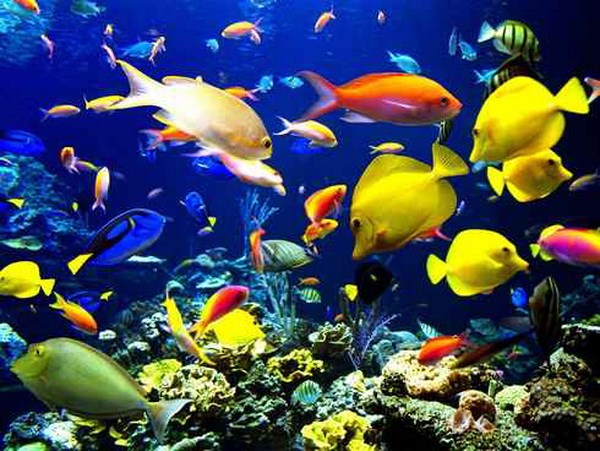
On June 3, the US Ocean and Atmospheric Administration (NOAA) said it has discovered and recorded thousands of individuals belonging to unknown species living in the Car…
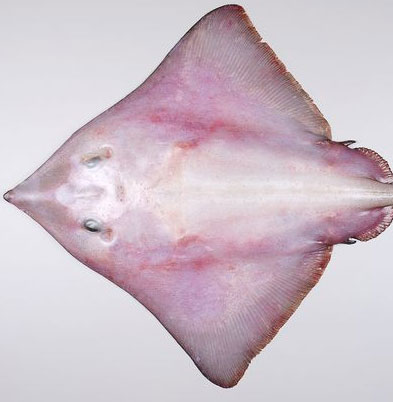
Scientists at the New Zealand National Institute of Atmospheric Research and Research (NIWA) have been studying and catching many species of fish they have discovered be…
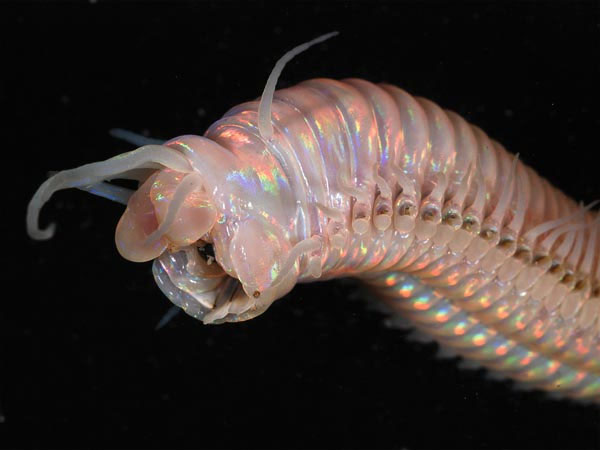
New Zealand's National Water and Atmospheric Research Institute (NIWA) has announced the discovery of strange creatures in the Kermadec trench area in the northern sea o…
Scientists from Leeds University have demonstrated that atmospheric acid divides large iron molecules in the dust into tiny dissolved iron particles that plankton are ea…
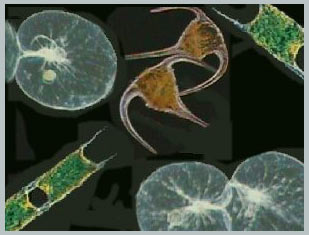
Atmospheric scientists have identified a new mechanism that could be of great importance because, because of this mechanism, chemical waste from floating plants (Phytopl…

Dr. Pablo Sanchez at the Center for Atmospheric Research at the National Autonomous University of Mexico, said:
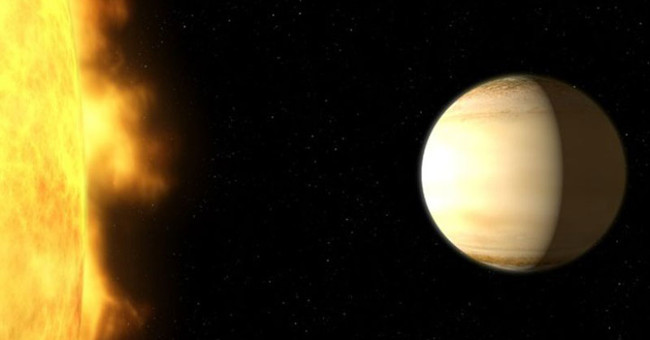
They used the Hubble space telescope and the Spitzer telescope to create a detailed spectrum of the WASP-39b atmosphere, allowing for evidence of water's existence.
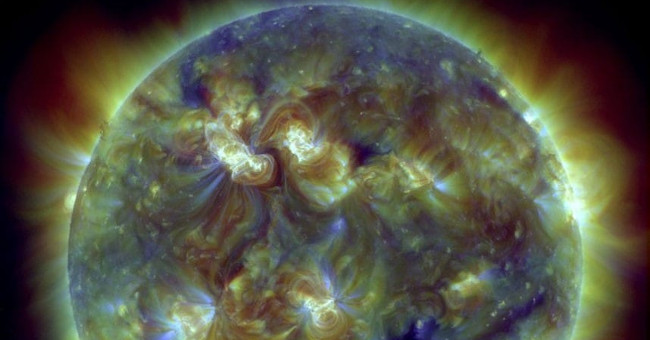
An electromagnetic storm will reach Earth on March 14-15, 2018, as predicted by the US National Oceanic and Atmospheric Administration (NOAA).

In 2018, we will discover the first alien planet through atmospheric indicators in space by launching a transatlantic satellite telescope (Tess).
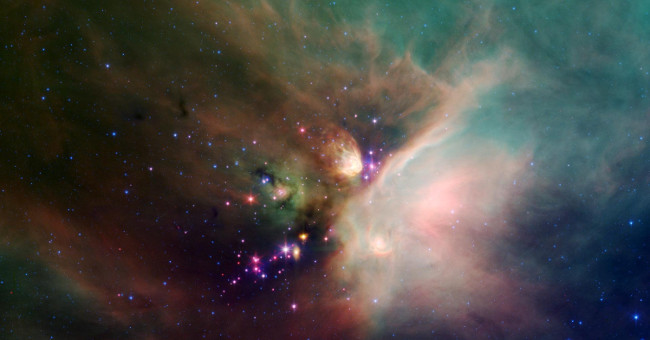
Cosmic dust particles that travel through the Earth every day can push living organisms into the atmosphere into space.
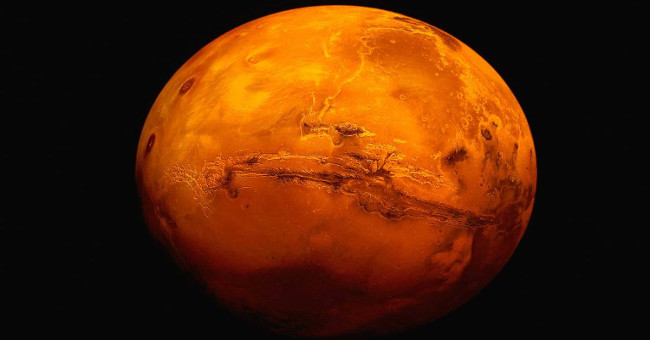
Despite bringing dozens of spacecraft to explore Mars, many mysteries in this red planet have yet to be discovered.