Medicine - Health
Can beer be seduced by drinkers?
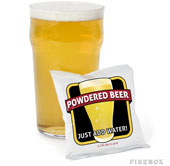
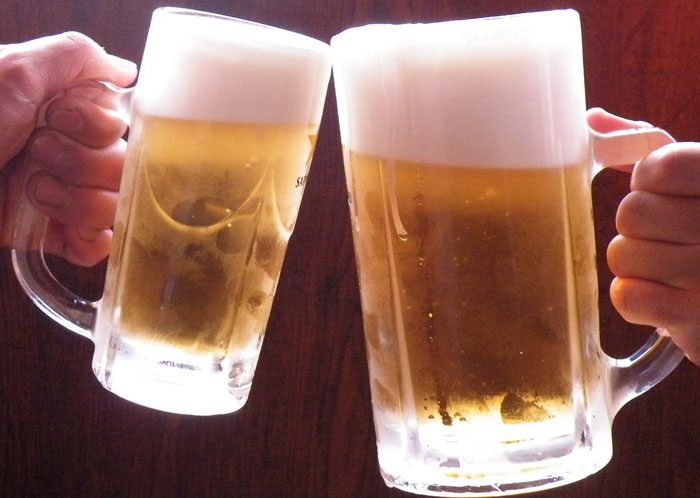
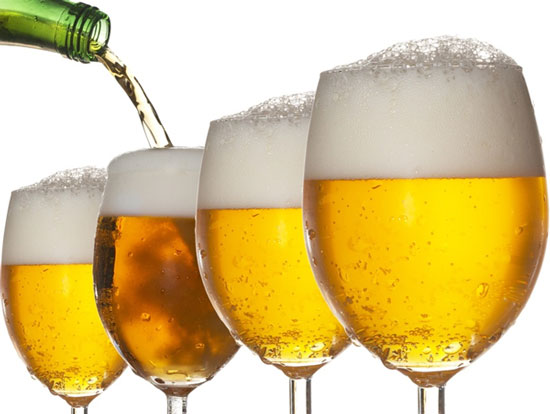
A bubbling beer will appear after brewing a dry beer pack and a bubble pack in cold water. This image is interesting
Browse ScienceInfo articles and explainers related to Beer.
273 published items.
A bubbling beer will appear after brewing a dry beer pack and a bubble pack in cold water. This image is interesting

A Canadian company has made a breakthrough when creating a dry beer that can be easily carried on picnics.
Australian scientists have discovered that beers do not get drunk and still retain their original flavors.
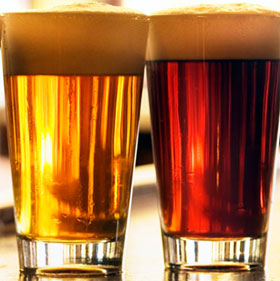
Beer lovers will be happy to know that scientists are seeking to synthesize artificial yeast, an achievement that can make beer cheaper and more charming.

While humans have used the power of yeast to ferment bread and beer, the function of yeast and of other fungi living in and on the human body is not well understood.

Share on the Daily Mail, an ear specialist confirmed that a woman's performance is possible, and the woman must have a hole in the eardrum.
A team of experts from the Indinana University School of Medicine in the United States recruited 49 men to understand the taste of beer to them.
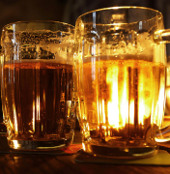
Japanese researchers have shown that beer can help treat colds and some respiratory diseases.
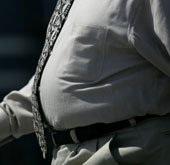
Abdominal fat not only increases the risk of developing cardiovascular diseases but also threatens the bone system of gentlemen.

The US CBS media company recently said that Yale University (USA) researchers have successfully studied a drug that can make people drink even if they drink too much, th…
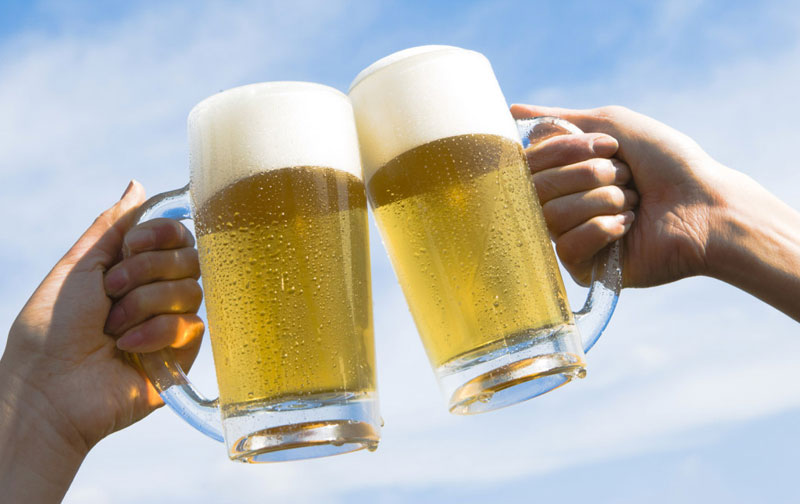
Drinking alcohol is not conducive to diabetes control. However, the latest report published in the Indian Times said scientists have discovered that some ingredients in…

Mice that used this drug could consume a large amount of alcoholic drinks without being unconscious, there were very few signs of being drunk and especially not becoming…
Drinking beer regularly has nothing to do with the big belly of middle-aged gentlemen that people often call
Beer is a popular drink all over the world. However, scientific studies show that drinking a lot of beer greatly reduces the inspirations of gentlemen.