
Biology
What Is Neuroscience and How Does the Brain Work?
Neuroscience is the study of the nervous system—from molecules and individual neurons to circuits, behavior and cognition—and the brain works by coordinating electrical…
Browse ScienceInfo articles and explainers related to Behavior.
707 published items.
Neuroscience is the study of the nervous system—from molecules and individual neurons to circuits, behavior and cognition—and the brain works by coordinating electrical…
Humanoid robots are machines whose body layout or behavior resembles aspects of the human form, often combining sensors, motors, control software, and AI to move and wor…
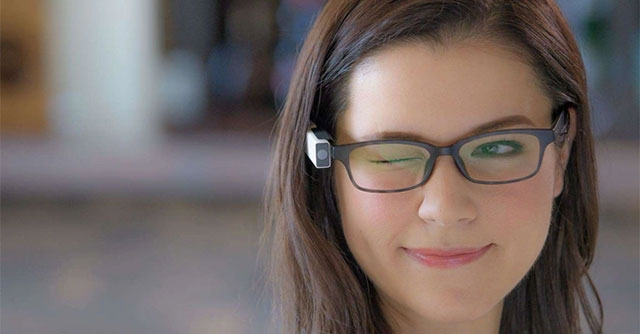
The origin of blinking remains a mystery to science.
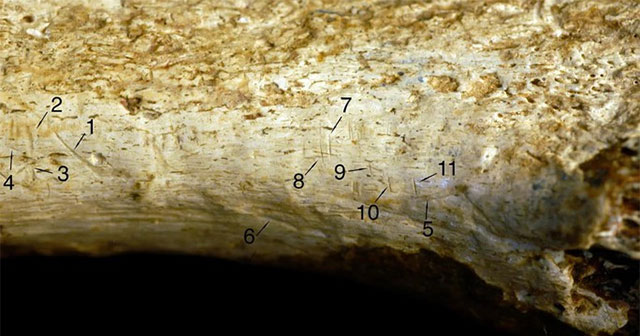
A 1.45-million-year-old fossilized bone fragment with nine mysterious markings has revealed many fascinating and chilling details about...
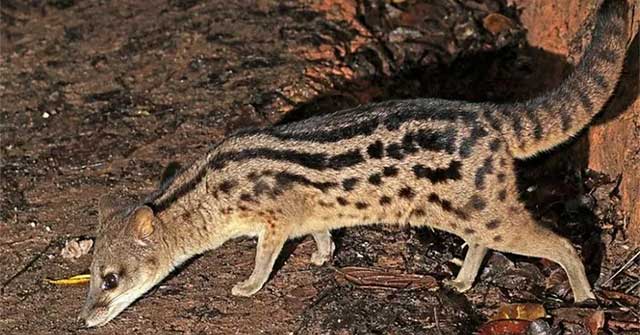
Scientists are baffled by an animal that can mate for up to eight hours to reproduce. This animal is endemic, found in only one place in the world, and is listed in the…

To date, there are still many unknown and uncertain aspects about the properties and behavior of quasars.
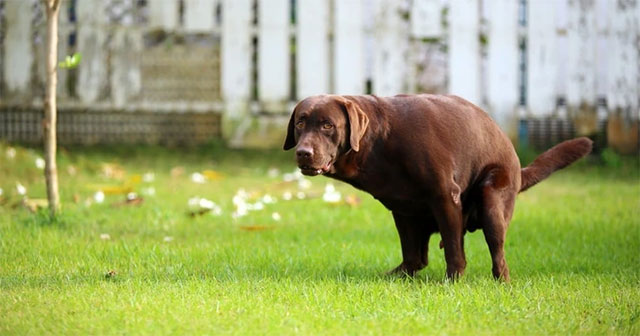
When dogs are going to the toilet, they often look at us intently and scientists have found the answer to this action.

Some snakes in captivity have been known to swallow their own tails, possibly due to stress, confusion, illness, or even hunger.
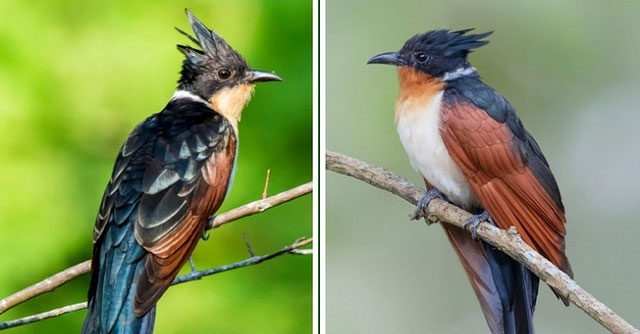
In Vietnam, this bird can be observed in Xuan Thuy, Cat Tien, and Yok Don national parks.

The kidneys are very important organs but are also very vulnerable to small daily actions.
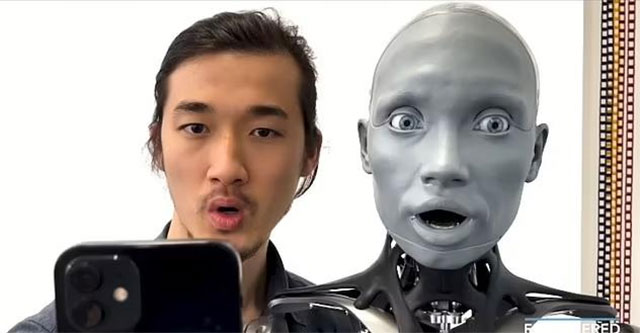
Ameca, a British-made humanoid robot, appears to be filming a hilarious clip with a scientist in which the human and robot display the same creepy-perfect expressions.
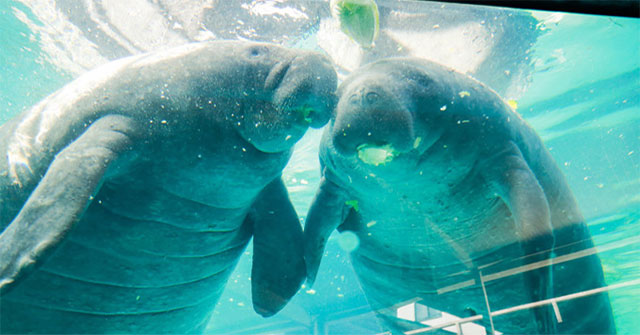
An autopsy revealed that Hugh the manatee at the Mote Marine Laboratory and Aquarium in Florida died from injuries sustained while mating with his brother.
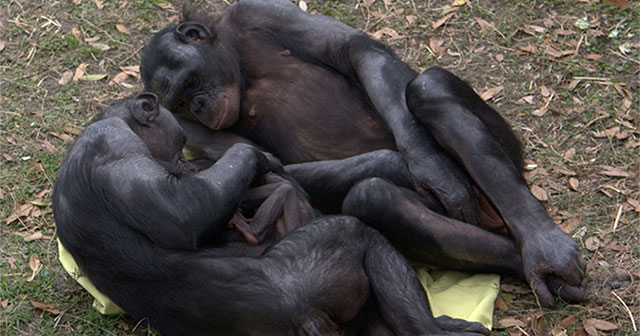
The chimpanzee's motivation to thrive is even built around sex, which occurs between every individual in the troop.
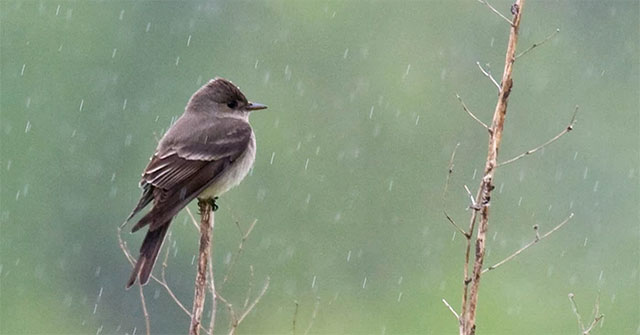
On rainy days, birds need to find shelter to protect their feathers from getting wet. Different species of birds choose to hide in different places.
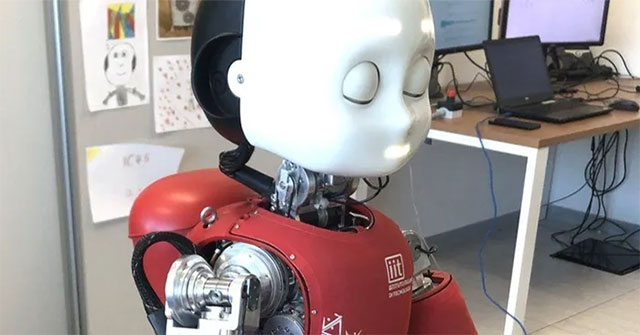
Blinking is a small and often overlooked action in humans, but scientists believe that integrating this behavior into robots has great significance.