Space science
Ancient stars reveal the time when gravitational waves land on Earth
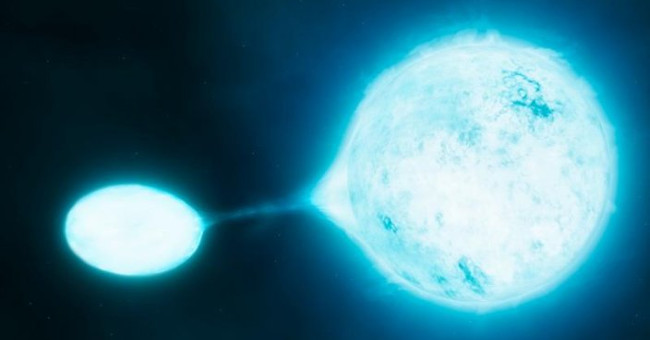
For the first time astronomers discovered gravitational waves that bounced back from a collision between two black holes more than a billion years ago.
Browse ScienceInfo articles and explainers related to Big.
1,229 published items.
For the first time astronomers discovered gravitational waves that bounced back from a collision between two black holes more than a billion years ago.
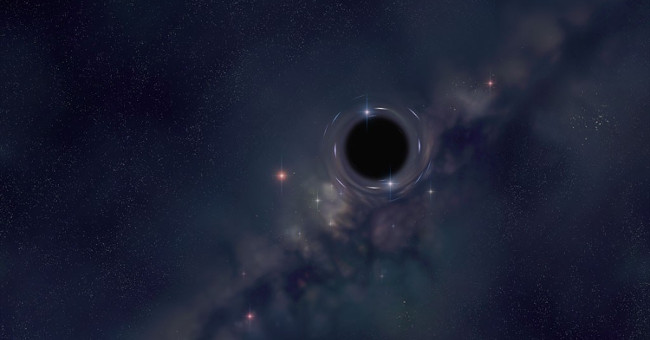
New research by American scientists shows that dark matter is produced from the original black hole, which appeared in the first millisecond after the Big Bang.
If you can compress the entire history of nearly 14 billion years of space in a year, modern humans (Homo sapiens) will appear on the last day of the year at 23:53.
Many previous studies have suggested that the universe was formed after the Big Bang 13.8 billion years ago, and has since expanded at an increasingly terrible rate.

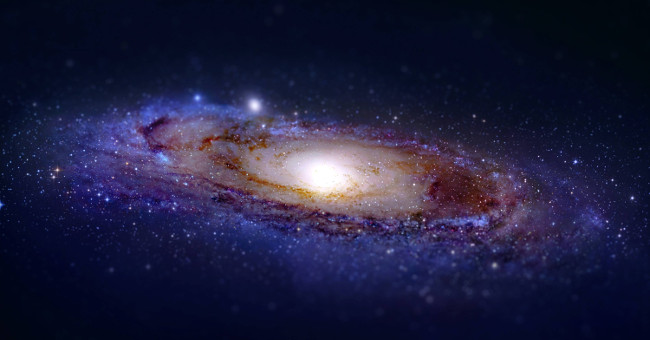
This galaxy is the 4th largest satellite orbiting the Milky Way galaxy.
A new group of galaxies has just been discovered in space that is capable of being 3 trillion times brighter than the Sun.
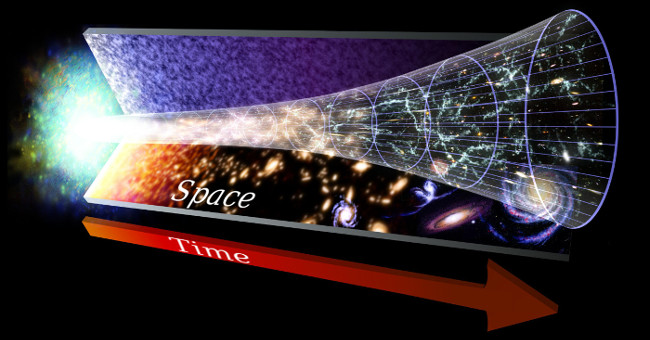
Everything happens outside what can be observed, we have more questions than answers.
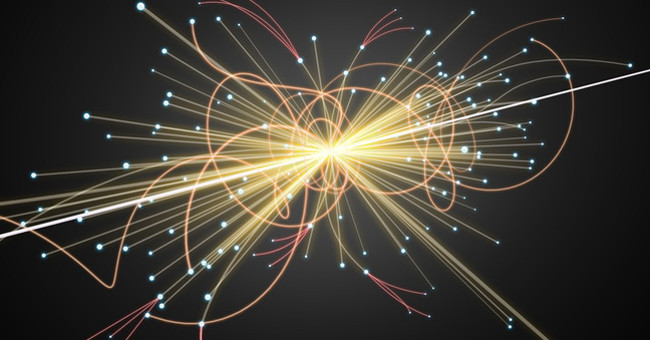
Newly discovered particles will help scientists unravel the complex law that governs quarks and elementary particles that make up all atoms in the universe.
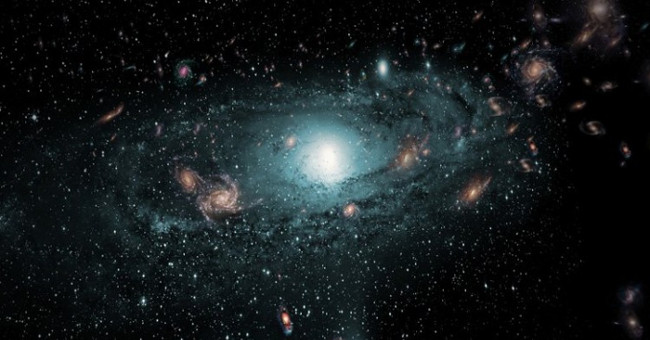
Astronomers discovered hundreds of new galaxies after using radio waves to see through the Milky Way's star system and dust.
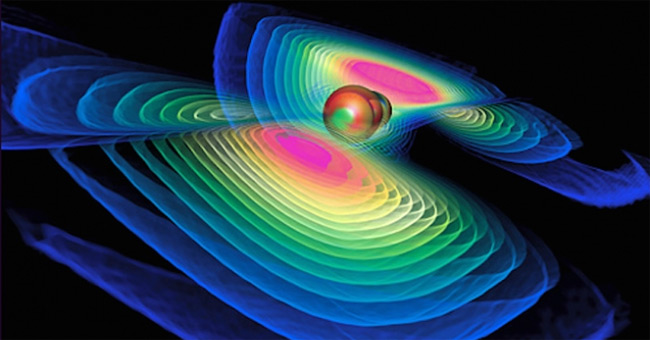
Produced by the greatest disturbances in the universe, they do not interact with matter, so they are not hindered when moving are special points of gravitational waves.
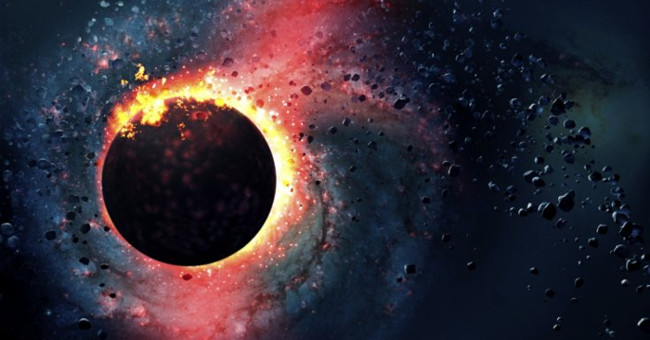
A group of American and Chinese scientists began their journey to find a solution to the cause of the Big Bang.

According to the most accurate physical models today, the universe must surely collapse right after bulging from the Big Bang.
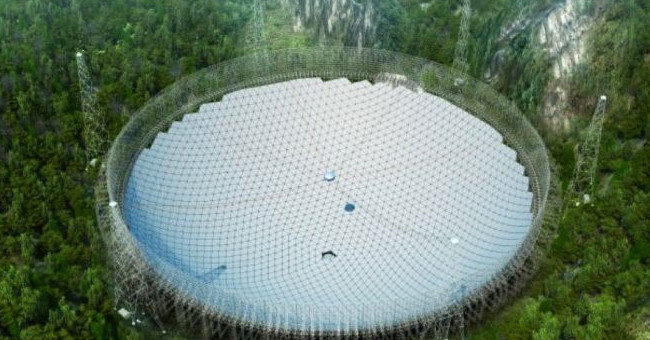
The building, which is as big as 30 football fields, will allow scientists to collect signals tens of billions of light years from Earth when inaugurated in 2016.
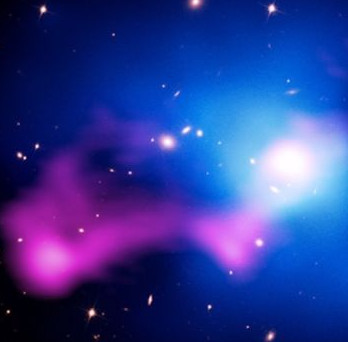
US researchers combine data from three telescopes to record an explosion image of a supermassive black hole 10 billion times larger than the Sun.
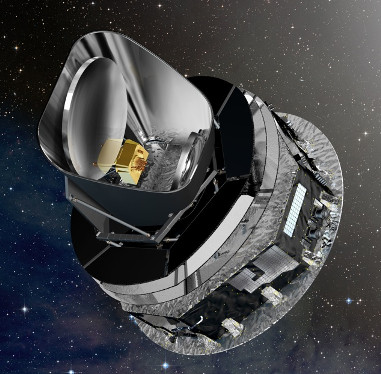
The amount of light that remains in space is likely to be remnants coming from another universe after the Big Bang.